


Airport operations improvement in Africa is becoming increasingly important as passenger traffic, airline networks and cargo activity continue to expand across the continent.
Improving airport operations is not simply about building larger terminals. It involves making better use of existing infrastructure, reducing avoidable delays, improving aircraft turnaround, strengthening ground handling, training staff and using technology to connect different airport stakeholders.
IATA’s 2026 Focus Africa programme identified operational efficiency, digital innovation, safety and stronger coordination among the key areas requiring attention as African aviation develops. (IATA)
Where Airport Operations Can Be Improved
Airport operations involve many connected activities, including:
- Aircraft arrival and departure coordination
- Passenger processing
- Baggage handling
- Aircraft turnaround
- Ground support equipment
- Cargo handling
- Gate and stand management
- Security and border processing
- Ground transportation
- Airport maintenance
- Airside safety
- Operational communication
A problem in one area can quickly affect another. For example, a late baggage operation can delay an aircraft, while insufficient gate capacity can create congestion that affects several flights.
For this reason, improvement programmes should examine the airport as a connected operational system rather than fixing individual departments in isolation.
Improving Aircraft Turnaround
Aircraft turnaround is one of the most important areas for airport operations improvement.
Between arrival and departure, several activities must be completed, often within a limited period. These can include passenger disembarkation, baggage unloading, cleaning, catering, refuelling, cargo handling, boarding and pushback.
IATA identifies safe and on-time turnaround performance as a priority for airlines and ground-handling providers. (IATA)
Airports and airlines can improve turnaround by ensuring that personnel and equipment are ready before the aircraft arrives, monitoring each stage of the process and identifying recurring sources of delay.
The objective should not simply be a shorter turnaround. Safety and operational reliability must remain central to the process.
Better Ground Support Equipment Management
Ground support equipment directly affects airport operations.
Baggage tractors, belt loaders, passenger stairs, pushback tractors, ground power units and other equipment need to be available when required. Equipment shortages, breakdowns or poor allocation can create avoidable delays.
IATA’s 2026 ground-handling guidance highlights modern GSE, stronger standards and digitalisation as important elements of safer and more resilient ground operations. (IATA)
African airports can improve GSE management through:
- Preventive maintenance.
- Equipment availability monitoring.
- Better allocation between aircraft stands.
- Operator training.
- Faster replacement of faulty equipment.
- Appropriate investment in modern equipment.
Electric and enhanced GSE can also be considered where airport infrastructure and operating conditions support their use.
Airport Infrastructure Needs to Match Demand
Airport infrastructure needs to support current and future passenger and cargo requirements.
Runways, taxiways, aircraft stands, terminals, baggage systems, cargo facilities and passenger-processing areas all contribute to operational performance.
IATA says airport infrastructure should be safe, functional, capacity-optimised, user-friendly and affordable for airlines and other users. (IATA)
Infrastructure improvement does not always mean constructing completely new facilities. Better utilisation of existing gates, stands, baggage systems and passenger-processing areas can sometimes increase effective capacity.
Airport development should also account for expected changes in passenger numbers, aircraft types, cargo volumes and airline networks.
Reducing Passenger Processing Delays
Passengers often judge airport efficiency by how smoothly they move through the terminal.
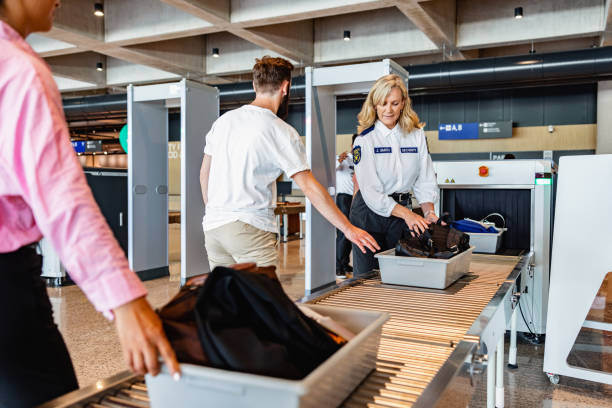
Long queues can develop at check-in, security, immigration, boarding and baggage reclaim. Improving passenger flow can involve better staffing during peak periods, clearer passenger information, improved queue management and appropriate automation.
Digital identity and biometric systems can also be considered where they meet regulatory and operational requirements. IATA notes that digital identity technology can create operational and passenger-experience gains when appropriately integrated into airport processes. (IATA)
However, technology should support a well-designed process rather than being introduced simply as a replacement for manual work.
Strengthening Ground Handling Standards
Airport operations become more difficult when airlines, ground handlers and other service providers use significantly different procedures.
IATA’s Ground Operations Manual and Airport Handling Manual provide standardised procedures covering areas such as aircraft handling, baggage, cargo, load control, GSE management and training. IATA says standardisation can improve safety, training quality, operational efficiency and oversight. (IATA)
African airports can benefit from stronger adoption and consistent application of recognised industry standards while allowing legitimate local requirements to be properly documented.
This can reduce unnecessary variations and make coordination between airlines and service providers easier.
Digitalising Airport Operations
Airport operations increasingly depend on timely information.
Different teams need to know when aircraft arrive, when baggage is ready, whether equipment is available, whether passengers are boarding and whether a disruption is developing.
IATA identifies fragmented data, manual processes and delayed information as major barriers to efficient ground handling. (IATA)
Digital systems can support:
- Aircraft turnaround monitoring
- Baggage tracking
- GSE management
- Gate and stand allocation
- Cargo management
- Passenger processing
- Maintenance scheduling
- Operational reporting
The important factor is integration. A collection of disconnected systems may simply create more information without improving decision-making.
Collaborative Airport Decision-Making
Airports involve multiple organisations with different responsibilities.
Airlines, airport operators, ground handlers, air navigation service providers, security agencies and other stakeholders need to coordinate their activities.
IATA’s Airport Collaborative Decision Making approach promotes real-time information sharing and coordinated decision-making between operational partners. The objective is to improve predictability, situational awareness and use of airport capacity. (IATA)
For African airports experiencing congestion or rapidly changing operational conditions, stronger collaboration can help teams respond to disruptions before they become larger network problems.
Developing the Airport Workforce
Airport technology and infrastructure still depend on people.
Ground handlers, engineers, passenger-service personnel, baggage teams, cargo workers, security staff and operations managers all require appropriate training.
IATA identifies workforce shortages as one of the current challenges affecting ground operations and continues to promote standardised training and operational procedures. (IATA)
African airports can improve workforce performance through regular technical training, safety exercises, competency assessments and clearer operational responsibilities.
Staffing should also reflect peak travel periods rather than relying on the same workforce level throughout the day.
Improving Cargo and Logistics Operations
Cargo operations are another area where airport efficiency can be improved.
Cargo terminals need effective warehouse management, documentation, customs coordination, loading equipment and connections to road transportation.
Delays can occur when cargo is physically ready but documentation is incomplete, when warehouse capacity is limited or when transportation is not available to move shipments after clearance.
Improving information exchange between cargo handlers, airlines, customs authorities, freight forwarders and transport providers can make the process more predictable.
How Travo.ng Can Support Airport Operations
Travo.ng can support the wider travel and logistics activities surrounding airport operations without replacing specialist airport operators, airlines or ground handlers.
For example, aviation personnel arriving in Nigeria for an airport project may require airport pickup, accommodation, vehicle hire and transportation between the airport, hotel, office or project location. Travo.ng can coordinate these travel requirements.
Businesses working around airport operations may also need transportation or delivery support for documents, equipment and other items moving between airports and destinations.
This means Travo.ng can complement airport operations from the travel and ground-logistics side, helping people and relevant items move efficiently around the airport environment while specialist aviation providers handle aircraft-specific functions.
Measuring Whether Improvements Are Working
Airport improvement programmes need measurable performance indicators.
Useful KPIs include:
- Aircraft turnaround time
- Flight departure punctuality
- Passenger processing time
- Security queue duration
- Baggage delivery time
- GSE availability
- Gate and stand utilisation
- Cargo processing time
- Ground-related delay minutes
- Equipment-related disruptions
- Passenger complaints
- Safety incidents
Performance should be monitored over time rather than relying on isolated observations.
An airport may discover, for example, that its overall turnaround average appears acceptable while particular stands, airlines or periods of the day consistently experience delays.
A Practical Approach to Airport Operations Improvement
African airports can approach operational improvement in stages.
First, identify the biggest bottlenecks using reliable operational data. Next, determine whether the problem is caused by infrastructure, equipment, staffing, procedures, communication or a combination of factors.
After that, airports can test targeted improvements before committing to major investments.
This could involve reallocating GSE, changing staff schedules, improving communication procedures, digitising a manual process or redesigning passenger flows.
IATA’s current airport and operations work similarly emphasises optimisation, standardisation, collaboration and infrastructure that is fit for purpose rather than simply expanding facilities without considering how they will operate. (IATA)
The Future of Airport Operations in Africa
African aviation is entering a period of continued network and capacity growth. AFRAA reported that African seat capacity increased by 8.8% year-on-year in August 2026, with intra-African seat availability increasing by 10.5%. (afraa.org)
That growth makes operational efficiency increasingly important. Airports need to be able to handle additional passengers and aircraft without allowing existing bottlenecks to become larger problems.
The most effective improvements are likely to combine reliable infrastructure, properly maintained equipment, trained personnel, standardised procedures, integrated digital systems and stronger cooperation between airport stakeholders.
For African airports, operational improvement is ultimately about creating a system where aircraft, passengers, cargo, equipment and information can move predictably and safely from one stage to the next.
