


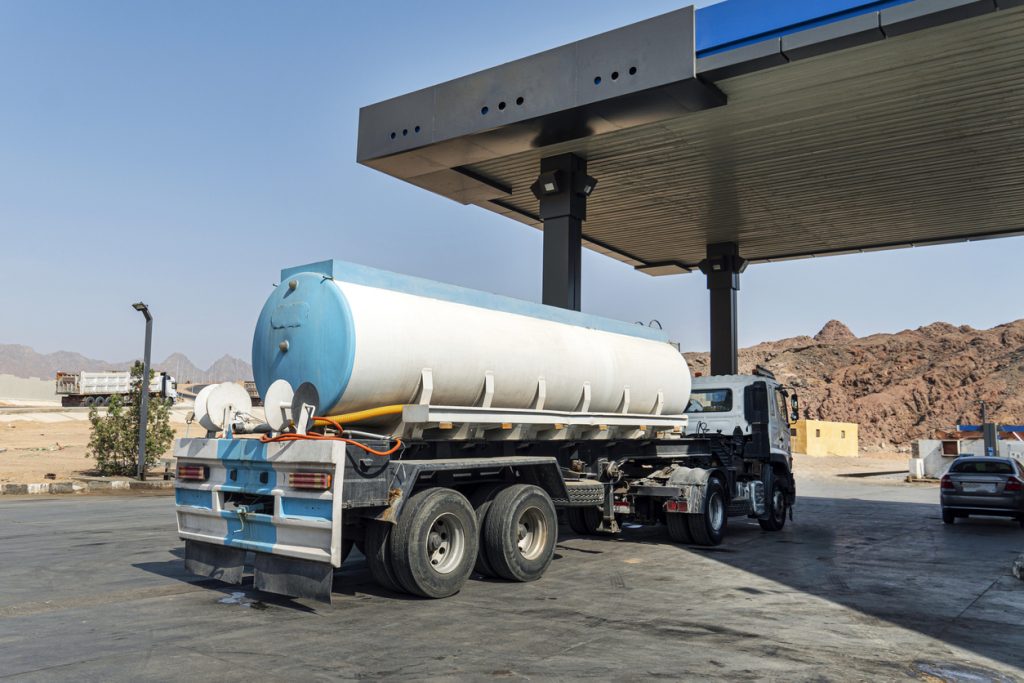
Moving petroleum products in Nigeria is not the same as sending regular cargo. Whether it is diesel for a construction site, lubricants for distributors, industrial oil for factories, or fuel-related equipment for a remote project location, the planning must be tighter. Poor coordination can lead to delays, safety issues, product loss, and serious cost overruns.
That is why petroleum cargo management Nigeria requires more than just hiring a truck. It needs proper route planning, documentation, experienced handlers, reliable transport coordination, and clear communication from pickup to delivery.
For businesses that need dependable movement of petroleum-related cargo, Travo.ng helps coordinate practical logistics support across Nigeria, including cargo movement, transport arrangements, delivery planning, and business logistics support.
What Makes Petroleum Cargo Different From Regular Goods
Petroleum cargo is sensitive because it often involves flammable, valuable, or regulated products. Even when the shipment is not fuel itself, items such as oil drums, lubricants, additives, pumps, hoses, or industrial petroleum equipment still need careful handling.
Common risks include:
- Leakage from poorly secured containers
- Delays at checkpoints due to incomplete documents
- Wrong vehicle selection
- Poor loading methods
- Unclear delivery instructions
- Route issues caused by bad roads or traffic
For example, moving diesel-related supplies from Lagos to Abuja requires different planning from sending cartons of retail goods. The vehicle, loading method, route timing, and delivery contact must all be confirmed before dispatch.
Common Petroleum Cargo Routes in Nigeria
A lot of petroleum cargo movement in Nigeria happens between major commercial and industrial corridors. Some common routes include:
- Lagos to Abuja
- Lagos to Port Harcourt
- Warri to Lagos
- Port Harcourt to Onitsha
- Lagos to Ibadan
- Abuja to Kaduna
- Lagos to Kano
Lagos remains a major starting point because of its ports, depots, warehouses, and industrial areas. Port Harcourt and Warri are also important because of oil and gas activity in the South-South region.
For long-distance movement, timing matters. A cargo truck leaving Lagos for Abuja may take one to two days depending on loading time, road condition, traffic around Lagos-Ibadan Expressway, security checks, and final delivery location.
What Businesses Should Confirm Before Moving Petroleum Cargo
Before booking petroleum cargo transport, businesses should be clear about the shipment details. This helps avoid wrong pricing, wrong vehicle assignment, and avoidable delays.
Important details include:
- Type of cargo being moved
- Quantity or volume
- Pickup and delivery locations
- Packaging method
- Required documents
- Preferred delivery timeline
- Loading and offloading arrangements
- Contact person at both ends
For instance, moving 20 drums of lubricant from Apapa to a warehouse in Abuja is different from moving petroleum equipment from Port Harcourt to a project site in Bayelsa. The more accurate the details, the better the logistics plan.
Realistic Cost Factors for Petroleum Cargo Movement
Pricing for petroleum cargo management Nigeria depends on several factors. There is no single flat rate because cargo size, distance, vehicle type, urgency, and handling requirements vary.
Typical cost factors include:
- Distance between pickup and delivery points
- Size and weight of cargo
- Type of vehicle required
- Loading and offloading support
- Waiting time at pickup location
- Road condition and route risk
- Urgency of delivery
- Special handling requirements
A small petroleum equipment delivery within Lagos may cost far less than moving bulk lubricants from Lagos to Kano. Interstate cargo usually requires proper trip planning, driver coordination, and allowance for road delays.
Mistakes Companies Make With Petroleum Cargo Logistics
Many delays happen before the vehicle even leaves the pickup point. The most common mistakes include booking too late, giving incomplete cargo details, using a vehicle that is not suitable, or assuming the driver will handle documentation issues on the road.
Another common problem is poor communication at delivery. If the receiving contact is unavailable, the vehicle may wait for hours, increasing cost and delaying other operations.
Businesses can avoid these problems by confirming cargo details early, preparing documents, sharing accurate addresses, and working with a logistics partner that understands Nigerian road movement.
How Travo.ng Supports Petroleum Cargo Management Nigeria
Travo.ng helps businesses coordinate petroleum-related cargo movement with practical local understanding. Instead of leaving customers to struggle with transport sourcing, route planning, and delivery follow-up, Travo.ng provides organized logistics support based on the cargo requirement.
Depending on the need, Travo.ng can assist with:
- Cargo logistics coordination
- Interstate transport arrangements
- Business delivery support
- Courier and delivery services for smaller items
- Vehicle hire for operational movement
- Relocation and project logistics support
- Airport pickup or travel booking for staff involved in site visits
This is useful for fuel suppliers, industrial buyers, construction companies, oil service vendors, equipment dealers, and businesses that regularly move petroleum-related goods across Nigeria.
When to Book Petroleum Cargo Transport Early
Early booking is important during busy periods, especially close to public holidays, festive seasons, fuel scarcity periods, or when road travel demand is high. During these times, suitable vehicles may become harder to secure, prices may rise, and delivery timelines can stretch.
If your cargo is needed for a project, factory operation, generator supply chain, or customer delivery, it is safer to schedule movement ahead of time rather than waiting until the last minute.
A Better Way to Move Petroleum Cargo in Nigeria
Petroleum cargo movement needs proper planning, not guesswork. From Lagos depots to Abuja project sites, from Port Harcourt suppliers to inland customers, every shipment should be handled with safety, timing, documentation, and cost control in mind.
For businesses looking for reliable petroleum cargo management Nigeria, Travo.ng offers a practical way to arrange cargo movement, delivery coordination, and transport support without unnecessary stress.
Whether you are moving lubricants, fuel-related equipment, industrial oil products, or petroleum service materials, Travo.ng can help you plan the movement properly and keep your operations running smoothly.
