


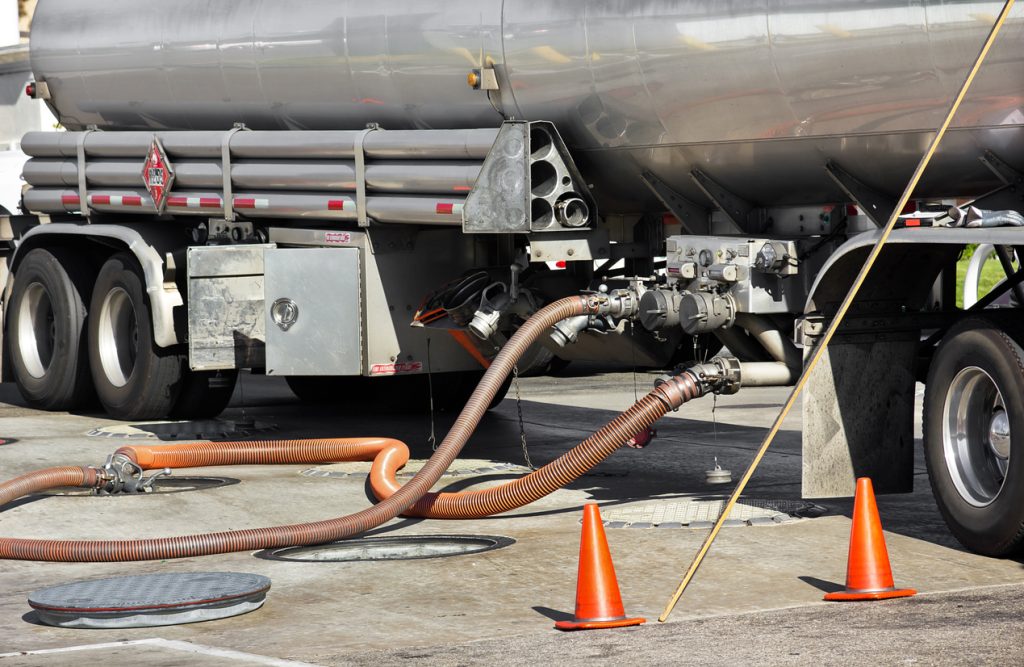
Moving petroleum products out of Nigeria is not the same as sending regular cargo from one state to another. It requires tight coordination, proper documentation, safe transport planning, and people who understand how Nigerian logistics actually works.
For companies dealing with refined petroleum products, lubricants, gas-related supplies, industrial fuel, or petroleum equipment, choosing the right Nigeria petroleum export logistics company can determine whether a shipment moves smoothly or gets delayed for days.
Travo.ng supports businesses with practical logistics coordination, cargo movement, transport arrangements, and delivery support across Nigeria.
What Petroleum Export Logistics Really Involves in Nigeria
Petroleum export logistics usually starts long before the product reaches the port or border point. A business may need to move goods from Lagos, Port Harcourt, Warri, Onne, Calabar, or Abuja to a terminal, warehouse, customer site, or export processing location.
In real operations, the work may include:
- Pickup coordination from depot or storage facility
- Truck or vehicle arrangement
- Cargo handling and movement tracking
- Port or border delivery planning
- Support for business delivery schedules
- Coordination between suppliers, drivers, agents, and receivers
This is why many businesses prefer working with a logistics partner that understands local road conditions, loading delays, documentation pressure, and time-sensitive delivery expectations.
Common Routes for Petroleum-Related Cargo Movement
For petroleum-related exports, Lagos remains one of the busiest commercial points because of access to Apapa, Tin Can, warehouses, and industrial buyers. Port Harcourt and Warri are also important for oil and gas-linked movement.
Common logistics corridors include:
- Lagos to Apapa or Tin Can Island
- Port Harcourt to Onne
- Warri to Lagos
- Lagos to Cotonou border corridor
- Abuja to Lagos for business cargo transfer
- Port Harcourt to Calabar or Aba industrial routes
Each route has its own challenges. Lagos traffic can affect pickup timing. Port access may require early planning. Interstate movement may be delayed by checkpoints, bad road sections, or loading complications.
What It May Cost to Move Petroleum-Related Cargo
Pricing depends on the cargo type, weight, distance, vehicle needed, handling requirements, and urgency. A small petroleum equipment shipment within Lagos will not cost the same as moving bulk industrial supplies from Port Harcourt to Lagos.
As a rough guide:
- Small business cargo within Lagos may start from moderate courier or van rates
- Interstate cargo may require truck pricing based on distance and load size
- Urgent movement usually costs more than scheduled transport
- Heavy equipment or sensitive products may require special handling
The safest approach is to request a proper quote after sharing pickup point, destination, cargo details, timeline, and handling needs.
Mistakes Businesses Make With Export Logistics
Many delays happen because the logistics plan starts too late. Some businesses only look for transport after goods are ready, then discover that the right vehicle is not available immediately.
Other common mistakes include:
- Not confirming cargo weight and packaging early
- Using drivers without route experience
- Ignoring traffic and port access delays
- Sending incomplete pickup or receiver details
- Choosing the cheapest option without checking reliability
For petroleum-related cargo, poor coordination can affect delivery windows, customer trust, and export schedules.
How Travo.ng Supports Petroleum Export Logistics
Travo.ng helps businesses coordinate movement with a practical understanding of Nigerian logistics. Depending on the need, support may include cargo logistics, courier services, delivery services, vehicle hire, interstate transport coordination, airport pickup support for business teams, and relocation or equipment movement.
For companies handling petroleum-related exports, Travo.ng can help arrange movement from supplier locations, warehouses, depots, offices, or industrial areas to the required destination.
The goal is simple: reduce confusion, save time, and help businesses move goods with better planning.
When to Book Logistics Support
For local deliveries, same-day or next-day arrangements may be possible depending on location and availability. For interstate or export-related movement, it is better to schedule early.
Book ahead when:
- The cargo is heavy or sensitive
- The route involves port areas
- Delivery must meet a strict export deadline
- Multiple pickup points are involved
- Business teams also need transport or hotel reservations
Early booking gives room to match the right vehicle, driver, timing, and delivery plan.
Choosing the Right Logistics Partner
A good Nigeria petroleum export logistics company should not only provide vehicles. It should understand timing, communication, pickup accuracy, driver coordination, and Nigerian route realities.
Before booking, ask:
- Can they handle the route?
- Do they understand the cargo type?
- Can they coordinate pickup and delivery updates?
- Are they familiar with business logistics needs?
- Can they support related travel or transport arrangements?
Travo.ng is built for customers who need more than random transport. Whether you are moving cargo, arranging business travel, booking hotels, hiring vehicles, or coordinating deliveries, the service is designed to make movement easier across Nigeria.
For petroleum-related export logistics, proper planning is not optional. It is the difference between a shipment that moves with confidence and one that gets stuck because nobody planned the details early enough.
