


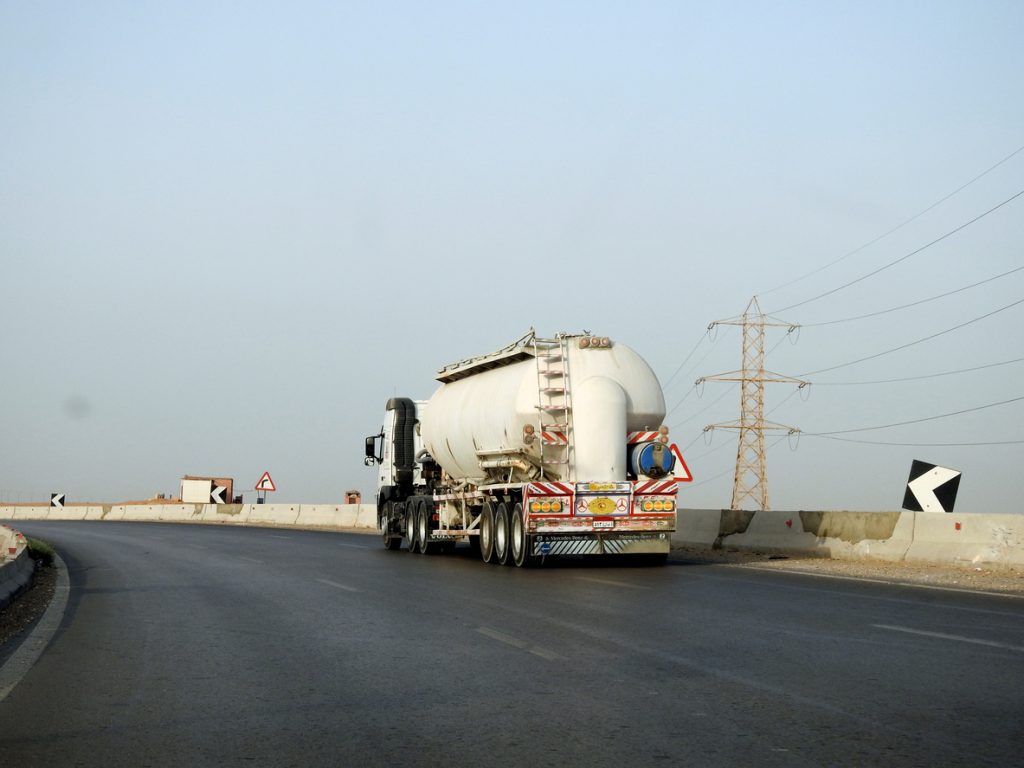
The Dangote Refinery is one of the largest industrial projects ever developed in Africa, and behind the refinery itself is an enormous logistics support network keeping operations running daily.
Most people focus on fuel production, but refinery activity depends heavily on:
- Tanker movement
- Cargo transportation
- Fleet coordination
- Staff mobility
- Equipment delivery
- Marine logistics
- Industrial supply chain support
From Lagos to northern Nigeria, thousands of transport and logistics activities now connect directly or indirectly to refinery operations.
And because the refinery sits inside the Lekki Free Zone — one of the busiest industrial corridors in Nigeria — logistics coordination has become just as important as refining capacity itself.
This guide explains the major logistics support services surrounding Dangote Refinery operations and why businesses across Nigeria increasingly depend on structured industrial transport systems.
What Logistics Support Services Mean Around the Refinery
Refinery logistics support goes far beyond moving fuel tankers.
Operations typically involve:
- Industrial cargo movement
- Petroleum haulage
- Fleet scheduling
- Staff transportation
- Port logistics
- Depot distribution
- Interstate supply coordination
- Vehicle management
Because refinery operations run continuously, logistics support companies must also operate around tight schedules and high operational pressure.
Even small transport delays can affect:
- Fuel distribution
- Industrial deliveries
- Depot loading
- Commercial supply chains
Tanker Logistics Remains the Biggest Support Operation
One of the largest logistics systems connected to the refinery involves petroleum tanker movement.
Tankers transport:
- PMS (petrol)
- AGO (diesel)
- Aviation fuel
- Industrial petroleum products
from Lagos toward:
- Abuja
- Kano
- Kaduna
- Ibadan
- Port Harcourt
- Eastern Nigeria
These operations require:
- Fleet management
- Driver coordination
- Route planning
- Delivery scheduling
- Fuel monitoring
because nationwide fuel availability depends heavily on transport efficiency.
Industrial Cargo and Heavy-Duty Haulage
Large industrial operations constantly require movement of:
- Engineering equipment
- Steel materials
- Mechanical parts
- Industrial machinery
- Construction cargo
Heavy-duty haulage companies supporting refinery-linked operations often use:
- Flatbed trucks
- Low-bed trailers
- Specialized cargo equipment
for oversized or sensitive industrial movement.
These deliveries sometimes involve:
- Escort coordination
- Route clearance planning
- Overnight transport scheduling
especially around congested Lagos corridors.
Marine and Port Logistics Around Lekki
The refinery’s proximity to the Lekki Deep Sea Port has significantly increased demand for:
- Marine logistics
- Cargo clearing
- Inland transport coordination
- Offshore support services
Businesses operating around:
- Lekki Free Zone
- Lekki Port corridor
- Ibeju-Lekki
now depend heavily on integrated logistics planning between:
- Port operations
- Trucking systems
- Warehouse movement
- Interstate distribution
This is one reason logistics activity around Lekki has expanded so rapidly.
Staff Transport and Corporate Mobility Support
Large industrial projects also require daily movement of:
- Engineers
- Technical teams
- Contractors
- Executives
- Support staff
Logistics support services often include:
- Staff buses
- Airport pickups
- Vehicle hire
- Interstate transport coordination
- Hotel booking support
because refinery operations involve continuous movement between:
- Lagos
- Abuja
- Port Harcourt
- Industrial zones nationwide
For corporate teams, transport reliability directly affects operational efficiency.
Lagos Traffic Has Changed Industrial Logistics Completely
One operational reality many businesses underestimate is how much Lagos traffic affects refinery support operations.
Transport movement around:
- Ajah
- Sangotedo
- Eleko Junction
- Lekki-Epe Expressway
- Ibeju-Lekki
can significantly delay:
- Cargo deliveries
- Tanker loading
- Staff movement
- Fleet dispatch timing
Experienced logistics providers now:
- Schedule off-peak movement
- Use GPS route tracking
- Coordinate overnight transport
- Build delivery buffer time into operations
especially during:
- Rainy season
- Holiday periods
- High industrial traffic days
What Businesses Usually Need From Logistics Support Providers
Companies supporting refinery operations typically prioritise:
- Reliable fleet availability
- Delivery predictability
- Real-time communication
- Safety compliance
- Driver professionalism
- Coordinated scheduling
Industrial clients especially care about:
- Reduced downtime
- Faster turnaround time
- Cargo safety
- Better transport visibility
because operational delays can become expensive quickly.
Why Logistics Around Refineries Is Operationally Difficult
Industrial logistics in Nigeria comes with major challenges.
Poor Road Infrastructure
Heavy-duty transport places serious pressure on highways and industrial routes.
Fleet Maintenance Costs
Industrial trucks and tankers require constant servicing.
Security and Compliance
Petroleum and industrial cargo movement requires:
- Monitoring
- Safety standards
- Driver certification
- Operational compliance
Interstate Delivery Complexity
Long-distance movement from Lagos toward northern Nigeria requires careful coordination.
Traffic Congestion
Lekki and Apapa remain among the most difficult transport corridors in the country.
Technology Is Improving Industrial Logistics Operations
Modern logistics support companies increasingly rely on:
- GPS fleet tracking
- Dispatch management software
- Cargo monitoring systems
- Delivery scheduling platforms
- Fuel management technology
Businesses now expect:
- Real-time updates
- Better coordination
- Faster communication
- More predictable transport operations
because industrial movement has become far more time-sensitive.
Businesses Around the Refinery Need Coordinated Services
Many companies working around refinery operations require multiple logistics services simultaneously, including:
- Cargo movement
- Delivery coordination
- Vehicle hire
- Airport transfers
- Corporate travel
- Staff transportation
- Interstate logistics
Contractors and suppliers moving between:
- Lagos
- Abuja
- Port Harcourt
- Industrial hubs
often prefer working with providers capable of coordinating several transport needs together instead of managing separate vendors.
Platforms like Travo.ng also help businesses manage:
- Logistics coordination
- Vehicle hire
- Airport pickups
- Corporate travel support
- Interstate transport
- Delivery scheduling
especially for businesses operating across multiple Nigerian cities.
Common Problems Businesses Face With Industrial Logistics
Delayed Fleet Availability
Industrial transport demand often exceeds available capacity during peak periods.
Poor Scheduling Coordination
Small timing mistakes can disrupt larger operational plans.
Vehicle Downtime
Heavy-duty transport equipment requires constant maintenance.
Communication Gaps
Lack of real-time tracking creates operational uncertainty.
Logistics Support Demand Will Continue Growing
As Dangote Refinery operations expand further, demand for:
- Tanker logistics
- Fleet support services
- Industrial haulage
- Cargo coordination
- Interstate transport providers
will likely continue increasing across Nigeria.
The refinery is already reshaping:
- Industrial transportation
- Petroleum logistics
- Fleet management
- Cargo movement
- Commercial supply chains
throughout the country.
Logistics Support Keeps Refinery Operations Moving
The Dangote Refinery may produce fuel, but logistics support services keep the entire operational ecosystem functioning.
From tanker trucking and industrial haulage to staff mobility and interstate delivery coordination, organised transport systems now play a central role in:
- Fuel distribution
- Industrial movement
- Commercial logistics
- Nationwide supply chain operations
And as industrial activity around Lekki continues expanding, businesses capable of delivering reliable, structured logistics support will become even more important across Nigeria’s transport and energy sectors.
