


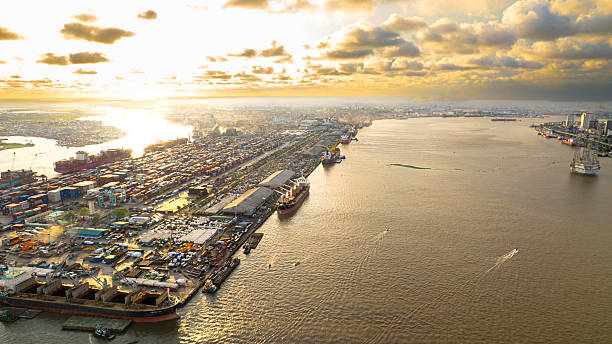
Shipping line booking in Nigeria refers to the process of reserving cargo space with a shipping company for transporting goods by sea to or from Nigeria.
Importers, exporters, freight forwarders, and logistics companies use shipping line bookings to move:
- 📦 Containerized cargo
- 🚗 Vehicles (RoRo shipping)
- ⚙️ Industrial equipment
- 🌾 Agricultural exports
- 🏗️ Project and breakbulk cargo
⚓ How Shipping Line Booking Works
🟢 1. Cargo Information Submission
The shipper provides:
- Cargo type
- Weight and dimensions
- Origin and destination ports
- Container size needed (20ft, 40ft, reefer, etc.)
🟡 2. Shipping Space Reservation
A booking request is sent to the shipping line or freight forwarder.
Once approved, the shipping line issues:
- Booking confirmation
- Shipping schedule
- Container release details
🔵 3. Container Pickup & Stuffing
- Empty container is picked up from terminal/depot
- Cargo is loaded (“stuffed”) into the container
- Container returned to port before cutoff date
🔴 4. Customs Clearance & Port Processing
- Export or import documentation processed
- Cargo inspected by customs where required
- Container loaded onto vessel
🚢 5. Ocean Freight Movement
The shipping line transports the cargo internationally.
Users can track:
- Vessel schedule
- Container location
- Estimated arrival time (ETA)
🏢 Major Shipping Lines Operating in Nigeria
🚢 Maersk
- One of the largest container shipping companies globally
- Strong presence in Apapa and Tin Can ports
🚢 MSC (Mediterranean Shipping Company)
- Major international shipping line
- Handles container and industrial cargo
🚢 CMA CGM
- Large global shipping operator
- Strong Africa-Europe and Asia routes
🚢 COSCO Shipping
- Popular for China ↔ Nigeria trade routes
🚢 Hapag-Lloyd
- International container logistics provider
🚢 Grimaldi Group
- Major operator for RoRo vehicle shipping to Nigeria
⚓ Major Nigerian Ports for Shipping Line Bookings
⚓ Apapa Port (Lagos)
Apapa Port
- Nigeria’s busiest container port
- Handles large import/export volumes
⚓ Tin Can Island Port
Tin Can Island Port
- Major hub for containers and RoRo shipments
- Strong shipping line activity
⚓ Lekki Deep Sea Port
Lekki Deep Sea Port
- Modern port infrastructure
- Growing international shipping operations
⚓ Onne Port
Onne Port
- Oil & gas and industrial cargo focus
📦 Types of Shipping Bookings
📦 FCL (Full Container Load)
- Entire container reserved for one customer
- Best for large cargo volumes
📦 LCL (Less than Container Load)
- Shared container space (groupage shipping)
- Best for small shipments
🚗 RoRo Booking
- Vehicle shipping via roll-on/roll-off vessels
🏗️ Breakbulk Booking
- Oversized and industrial cargo shipping
💰 Cost of Shipping Line Booking in Nigeria (2026 Estimate)
🚢 Sea Freight Rates
- LCL/groupage: $85 – $150 per CBM
- 20ft container: $2,000 – $5,000+
- 40ft container: $3,500 – $8,000+
Additional Costs
- 🧾 Customs duty and clearance
- 🚛 Inland haulage
- ⚓ Terminal handling charges
- ⏳ Demurrage and detention fees
Prices vary based on:
- Shipping route
- Fuel surcharges
- Season and demand
- Cargo type
⚠️ Challenges in Nigeria
- 🚦 Port congestion at Apapa & Tin Can
- ⏳ Delays in container release
- 💰 High demurrage charges
- 📉 Exchange rate fluctuations
- 🧾 Complex customs documentation
📌 Benefits of Proper Shipping Line Booking
- 🚢 Guaranteed cargo space
- 📦 Better shipment planning
- 📡 Cargo tracking visibility
- 💰 Reduced logistics delays
- 🌍 Access to global trade routes
🔎 Travo.ng Logistics Insight (IMPORTANT)
For importers and exporters:
👉 Travo.ng
On Travo.ng, users can:
- Compare shipping line booking options
- Connect with verified freight forwarders
- Request container shipping quotes
- Arrange customs clearance and inland delivery
This helps businesses manage shipping more efficiently and avoid unreliable booking agents.
💡 Final Thoughts
Shipping line booking is a critical part of Nigeria’s import and export process. Whether moving containers, vehicles, or industrial cargo, securing the right shipping schedule and logistics support helps businesses reduce delays and improve supply chain efficiency.
