


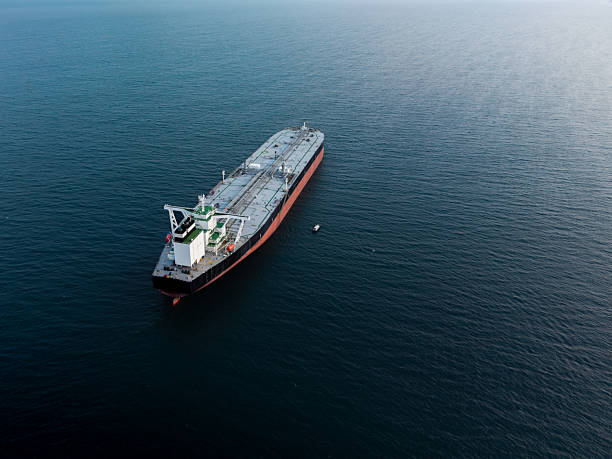
Shipping delays in Nigeria can affect a shipment at several points, from the time a vessel leaves its origin port to when the cargo finally reaches the customer’s warehouse. For importers and exporters, the delay is often more complicated than a ship simply arriving late.
Port congestion, customs processing, documentation problems, truck shortages, terminal procedures and inland transportation can all extend delivery times.
Recent Nigerian port data shows why this remains an important issue. Average vessel turnaround time across the country’s major ports increased to 5.3 days in the first half of 2026, compared with 5.0 days in the same period of 2025. At Tin Can Island, average turnaround increased to 5.1 days, while Lagos Port Complex, including Apapa, recorded 6.1 days. (Businessday NG)
Why Shipping Delays Happen in Nigeria
Shipping delays usually result from several connected problems rather than one single cause.
Port congestion
Lagos handles a large share of Nigeria’s maritime cargo, placing considerable pressure on Apapa and Tin Can Island. When too many trucks, containers or vessels need to be processed at the same time, delays can spread from the terminal to surrounding roads and warehouses.
The Federal Government has acknowledged that concentrating cargo in Lagos has increased congestion and pressure on road infrastructure, while promoting greater use of other Nigerian ports and alternative transport connections. (Nigerian Shippers Council || N.S.C)
Customs and documentation
A shipment can arrive at the port but remain there because its documentation is incomplete or requires clarification.
Incorrect declarations, missing permits, valuation questions, tariff classification issues and inspection requirements can all extend clearance time.
Nigeria Customs has been working on reforms to reduce these delays. Its Time Release Study found that scheduling, documentation and gate processes contribute significantly to clearance delays at Tin Can Island and identified reforms that could substantially reduce clearance times. (Nigeria Customs Service)
Truck availability and port access
Even after cargo is cleared, it still needs to leave the terminal.
Truck availability, electronic call-up arrangements, port access roads and traffic around Apapa and Tin Can Island can therefore determine when a container actually reaches its destination.
Authorities have taken measures against unauthorised checkpoints and other obstacles along the Lagos port corridors because these can interfere with cargo movement. (Voice of Nigeria)
Customs Rules Could Affect Cargo Dwell Time
A significant new development for importers is the Nigeria Customs Service’s latest guidance on cargo dwell time.
Customs announced that consignments will generally have 30 days from arrival at the port before being treated as overtime cargo. A further 30-day period may be available with approval, while additional procedures apply to cargo that remains undeclared for longer periods. (Maritime Today Online)
For importers, this makes early documentation and clearance preparation even more important.
A shipment that sits at the terminal because the importer is not ready can eventually create additional administrative and financial complications.
Shipping Delays Can Increase Business Costs
The impact of a delayed shipment can go well beyond the freight bill.
Businesses may face:
- Additional storage charges
- Demurrage exposure
- Higher truck costs
- Missed production schedules
- Delayed customer deliveries
- Inventory shortages
- Additional warehouse costs
- Spoilage for time-sensitive products
- Disruption to retail or manufacturing operations
For exporters, delays can also affect delivery commitments to overseas buyers.
This is why businesses should calculate logistics timelines from the entire supply chain rather than using only the shipping line’s estimated arrival date.
International Shipping Conditions Can Also Affect Nigerian Cargo
Not every shipping delay originates in Nigeria.
International shipping routes can be affected by security situations, changes in vessel routing, port congestion at the origin or transshipment port, equipment availability and seasonal demand.
For example, Maersk’s September 2026 market update noted that conditions affecting Middle East routes, seasonal exports and changing ocean and inland capacity were influencing transport planning. (Maersk)
A container destined for Nigeria can therefore experience delays before it even reaches Nigerian waters.
How Businesses Can Reduce Shipping Delays
Businesses cannot eliminate every delay, but good preparation can reduce avoidable problems.
Before shipping, businesses should:
- Confirm the correct customs and regulatory requirements.
- Prepare documentation before the vessel arrives.
- Check whether the goods require additional permits.
- Confirm the appropriate tariff classification.
- Work with an experienced customs representative where required.
- Monitor vessel and cargo status.
- Prepare transportation before cargo is released.
- Allow realistic time for port-to-warehouse movement.
- Maintain communication with suppliers, shipping lines and logistics providers.
- Have an alternative delivery plan for important or time-sensitive cargo.
For regular importers, maintaining a documented logistics process can make delays easier to identify and manage.
Consider More Than Road Transport
Road transportation remains essential to Nigerian logistics, but businesses are increasingly looking at alternative ways of moving cargo.
The Nigerian government has been promoting better utilisation of eastern ports and investment in road, rail, inland waterways and inland dry ports to create more efficient cargo corridors. (Nigerian Shippers Council || N.S.C)
Where available and commercially suitable, rail or barge evacuation can reduce dependence on congested port access roads.
The right option depends on the cargo, destination, cost and available infrastructure.
How Travo.ng Can Help With Shipping Logistics
Travo.ng can support the transportation and logistics requirements that arise around shipping delays in Nigeria.
For example, once an imported container is cleared at Apapa or Tin Can Island, a business may need transportation to a warehouse in Lagos before arranging onward delivery to Abuja, Ibadan, Kano, Onitsha or another destination.
Travo.ng can support relevant transport, delivery and logistics coordination around these movements. Businesses may also need vehicle hire or travel arrangements for personnel involved in cargo operations.
Travo.ng does not replace the shipping line, Nigeria Customs Service, port authority or licensed customs agent. Its role is to support the wider transportation and logistics movement surrounding a shipment.
What Importers Should Do When a Shipment Is Delayed
When a shipment is already delayed, the first step is to establish exactly where the delay is occurring.
Is the vessel still at sea? Has it reached the Nigerian port? Is customs clearance outstanding? Has the cargo been released but is waiting for a truck? Or has the truck left the terminal but encountered a road or delivery problem?
Finding the exact bottleneck makes it easier to decide what action is possible.
Businesses should also keep suppliers, customers and warehouse teams informed rather than waiting until the original delivery date has passed.
Building a More Reliable Shipping Plan
Shipping delays in Nigeria are unlikely to disappear through one solution because they involve several connected parts of the supply chain.
Port infrastructure, customs procedures, digital systems, truck access, inland transportation and alternative cargo routes all influence how quickly goods move.
The current push towards port modernisation, better customs processes and greater use of rail, inland waterways and other cargo corridors could improve reliability over time. However, businesses still need to plan around existing conditions.
For importers and exporters, the most practical approach is to prepare documentation early, monitor shipments continuously and coordinate port evacuation and inland delivery before cargo becomes available. That can turn an unpredictable shipping process into a more manageable logistics operation.
