


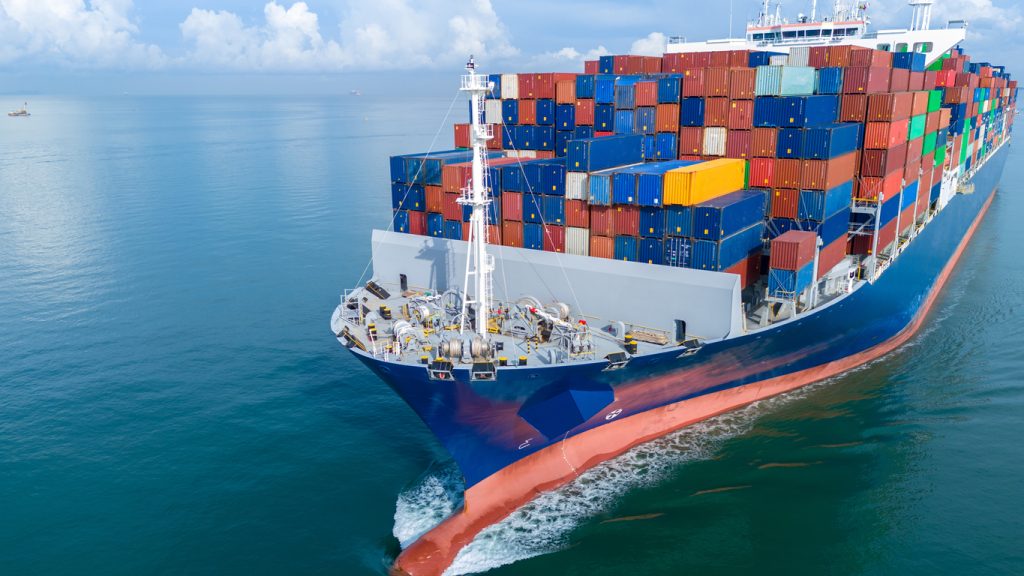
Incorrect shipment imports in Nigeria refer to situations where imported goods arriving through ports like Apapa Port, Tin Can Island Port, or Lekki Deep Sea Port do not match the approved order, documentation, or expectations. This may involve wrong products, wrong quantity, wrong specifications, or mismatched shipping documents.
In simple terms, it means what was imported is not what was intended or declared.
Types of Incorrect Import Shipments
1. Wrong Goods Imported
- Completely different products from what was ordered
- Example: electronics shipped instead of machinery
2. Incorrect Quantity
- Short shipment (less than expected)
- Over shipment (more than declared)
3. Wrong Specifications
- Different model
- Incorrect grade or quality
- Wrong size or configuration
4. Documentation Mismatch
- Invoice does not match cargo
- Packing list differs from actual goods
- Bill of lading errors
5. Misdeclared Cargo
- Goods declared differently from what was shipped
- Leads to customs issues or penalties
Major Causes of Incorrect Shipment Imports in Nigeria
1. Supplier or Manufacturer Error
Mistakes during:
- Production
- Packing
- Order fulfillment
2. Freight Forwarding Mistakes
Errors in:
- Shipping instructions
- Documentation preparation
- Cargo consolidation
3. Poor Communication Across Supply Chain
Between:
- Importer
- Supplier
- Freight forwarder
- Shipping line
4. Customs Documentation Issues
Including:
- Incorrect HS codes
- Wrong declarations
- Valuation discrepancies
5. Container Mix-Ups at Origin or Port
- Wrong container loaded onto vessel
- Cargo swapped during handling
6. Fraud or Substitution
In some cases:
- Lower-quality goods are shipped
- Unauthorized product substitution occurs
Effects of Incorrect Shipment Imports
1. Financial Loss
Businesses may face:
- Replacement costs
- Unplanned re-importation
- Unsellable inventory
2. Customs Delays and Penalties
Incorrect documentation can lead to:
- Cargo inspection
- Fines or sanctions
- Extended clearance time
3. Supply Chain Disruption
Impacts:
- Production delays
- Retail shortages
- Distribution failures
4. Increased Logistics Costs
Due to:
- Re-shipping
- Storage charges
- Demurrage and detention
5. Loss of Business Confidence
Affects:
- Customer trust
- Supplier relationships
- Brand reputation
Common Scenarios in Nigeria
- Container arrives at Apapa with wrong product mix
- Customs flags cargo due to mismatch in declaration
- Importer discovers wrong specifications after clearance
- Freight forwarder identifies documentation mismatch at port
How to Prevent Incorrect Shipment Imports
1. Accurate Purchase Orders
Ensure clear details for:
- Product description
- Quantity
- Specifications
- Packaging requirements
2. Supplier Verification
Work only with:
- Trusted manufacturers
- Verified trading partners
- Reputable suppliers
3. Pre-Shipment Inspection
Before loading:
- Verify product quality
- Confirm quantity
- Check packaging accuracy
4. Proper Documentation Matching
Ensure consistency between:
- Invoice
- Packing list
- Bill of lading
- Customs declaration
5. Use Reliable Freight Forwarders
Experienced logistics partners reduce:
- Documentation errors
- Shipping mismatches
- Port clearance issues
How to Resolve Incorrect Shipment Issues
1. Immediate Verification
Confirm where the error occurred:
- Supplier side
- Shipping process
- Customs stage
2. Document Evidence
Collect:
- Photos
- Shipping documents
- Inspection reports
3. Contact Supplier or Agent
Request:
- Replacement shipment
- Refund
- Correct documentation
4. Engage Customs Broker or Forwarder
They help:
- Resolve clearance issues
- Correct documentation errors
- Facilitate reclassification if needed
5. Negotiate Commercial Resolution
Options include:
- Partial refund
- Replacement goods
- Future shipment discounts
Role of Insurance
Cargo insurance may cover:
- Physical damage
- Loss during transit
- Theft or accidental damage
However, errors such as incorrect shipment or documentation mismatch are generally not covered unless linked to insured risks or fraud.
How Travo.ng Supports Import Logistics in Nigeria
Incorrect shipments often become more costly when combined with port delays and inefficient logistics handling. Strong coordination helps reduce risk impact.
Travo.ng supports businesses across Nigeria through:
- Cargo pickup from Apapa, Tin Can, and Lekki ports
- Nationwide transportation services
- Interstate logistics coordination
- Commercial cargo delivery
- Distribution support for businesses
- Last-mile delivery solutions
Efficient logistics reduces complications after cargo arrives in Nigeria.
Final Insight
Incorrect shipment imports in Nigeria are mainly caused by supplier errors, documentation mismatches, and weak coordination across the supply chain. These issues can lead to financial loss, delays, and regulatory challenges. Proper verification, trusted partners, and strong documentation processes are essential to prevent them.
