


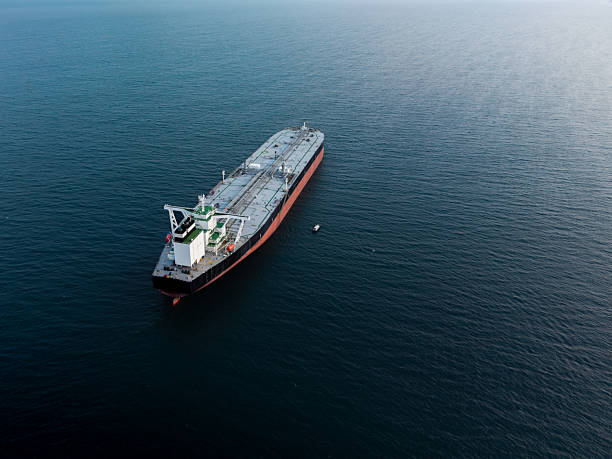
Shipping bulk goods from China is common for wholesalers, retailers, manufacturers, and businesses importing large quantities of products. When the cargo is heavy or takes up significant space, sea freight is usually the most practical option because it can handle large commercial shipments more economically than air freight.
The process becomes easier when your cargo is properly measured, consolidated, packed, and prepared before the shipment is booked.
How to Ship Bulk Goods from China
- Confirm your cargo details: Know the product type, quantity, weight, dimensions, number of cartons, and estimated total volume. This information is needed to select the appropriate shipping method.
- Collect goods from your suppliers: If you are buying from several Chinese suppliers, their goods can be sent to a China warehouse where the cargo is received and organized.
- Inspect and consolidate the cargo: Packages can be checked, repacked where appropriate, and combined before export. This is particularly useful when your goods come from different suppliers or cities.
- Choose FCL or LCL: Large shipments may be suitable for FCL, where you use an entire container. Smaller bulk shipments can use LCL, where your cargo shares container space with other shipments.
- Prepare export documentation: Commercial invoices, packing lists, cargo information, and other required export documents should be accurate before the shipment leaves China.
- Book international freight: The cargo is transported from the warehouse or supplier to the appropriate Chinese port and loaded for international shipping.
- Clear customs and arrange delivery: Once the shipment reaches its destination, import customs procedures, duties, taxes, and port handling must be completed before the cargo is delivered.
FCL or LCL for Bulk Goods?
FCL (Full Container Load) is generally suitable for larger shipments. You have a dedicated container for your cargo, which can provide better control over loading and handling.
LCL (Less than Container Load) is useful when your cargo does not require a full container. You pay for the space your goods occupy, although additional consolidation and destination handling charges may apply.
The right choice depends on your cargo volume rather than simply its weight.
How to Reduce Bulk Shipping Costs
If you purchase from multiple suppliers, consolidate suitable orders before international shipping. Reducing the number of separate shipments can make freight management easier and may reduce unnecessary handling and minimum charges.
Also compare the complete shipping cost, including China-side transportation, warehouse fees, export handling, ocean freight, destination charges, customs, and final delivery.
Do not select a forwarder based only on the cheapest advertised container rate.
What Goods Can Be Shipped in Bulk?
Bulk shipping is commonly used for products such as:
- Clothing and footwear
- Furniture
- Electronics
- Machinery
- Auto parts
- Building materials
- Household goods
- Packaging materials
- General wholesale products
Some products may have restrictions or require special documentation, packaging, or handling, so confirm the requirements before shipping.
How Travo.ng Can Help
Travo.ng can help coordinate bulk cargo shipments from China by assisting with supplier collection, warehouse receiving, consolidation, freight planning, and delivery arrangements.
If your goods come from several suppliers, coordinating them through one China warehouse can make it easier to prepare a single international shipment. For larger volumes, Travo.ng can help you plan around the appropriate sea freight option and destination delivery requirements.
Before requesting a shipping arrangement, provide your cargo type, number of cartons, total weight, dimensions or CBM, supplier locations, and final destination. These details help determine the most suitable way to move your bulk goods.
