


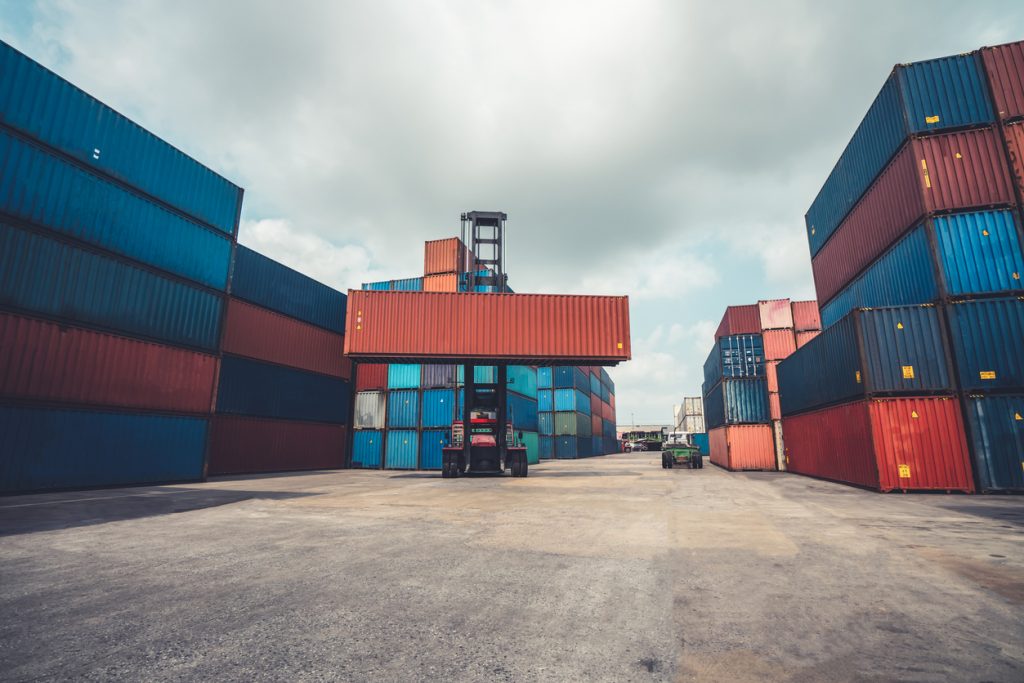
Container unloading delay in Nigeria refers to situations where imported containers are not unloaded from ships, trucks, or terminals within the expected timeframe. These delays are common at major ports such as Apapa Port, Tin Can Island Port, and Lekki Deep Sea Port, where congestion and operational challenges can slow cargo movement.
In simple terms, it means a container arrives, but the process of offloading and making it available for clearance or delivery takes longer than expected.
How Container Unloading Works in Nigeria
- A vessel arrives at the port.
- Containers are discharged from the ship.
- Containers are moved to the terminal yard.
- Customs and regulatory processes begin.
- Cargo is released for pickup and transportation.
A delay can occur at any of these stages.
Major Causes of Container Unloading Delay in Nigeria
1. Port Congestion
High cargo volumes at Lagos ports often lead to:
- Long vessel queues
- Overcrowded container yards
- Slow discharge operations
2. Limited Terminal Capacity
Some terminals face:
- Insufficient storage space
- Limited handling equipment
- Restricted operational capacity
3. Equipment Breakdown
Delays occur when:
- Ship-to-shore cranes fail
- Reach stackers malfunction
- Terminal handling equipment is unavailable
4. Labour and Operational Issues
Including:
- Dockworker shortages
- Shift disruptions
- Port labour disputes
5. Customs and Regulatory Delays
Containers may remain in the terminal because of:
- Physical inspection requirements
- Documentation problems
- SON or NAFDAC checks
- Valuation disputes
6. Trucking Bottlenecks
Even after unloading, container movement may slow due to:
- Truck shortages
- Apapa traffic gridlock
- Poor evacuation systems
7. Bad Weather Conditions
Heavy rain or poor visibility can temporarily slow port operations.
Effects of Container Unloading Delays
1. Increased Demurrage Charges
Importers pay extra fees when containers stay too long at the terminal.
2. Supply Chain Disruption
Delays affect:
- Manufacturing production
- Retail stock availability
- Distribution schedules
3. Higher Logistics Costs
Businesses may incur:
- Storage fees
- Emergency trucking costs
- Additional handling charges
4. Cargo Quality Risks
Extended terminal stay increases exposure to:
- Moisture damage
- Heat deterioration
- Container contamination
5. Business Revenue Loss
Late deliveries can result in missed sales and customer dissatisfaction.
Common Scenarios in Nigeria
- Vessel arrives but waits days before unloading.
- Container discharged but trapped in a congested yard.
- Customs inspection delays release.
- Truck unavailable for evacuation.
- Terminal equipment breakdown slows operations.
Solutions to Container Unloading Delays
1. Faster Customs Processing
Digital documentation and pre-arrival clearance reduce waiting time.
2. Improved Port Infrastructure
More cranes, larger yards, and better equipment increase capacity.
3. Electronic Truck Call-Up Systems
Helps regulate truck movement and reduce congestion.
4. Use of Alternative Ports
Importers can consider:
- Lekki Deep Sea Port
- Onne Port
- Warri Port
5. Better Logistics Planning
Pre-booking trucks and warehouses helps speed evacuation.
6. Off-Dock Storage Solutions
Moving containers to inland depots frees terminal space quickly.
How Businesses Can Reduce Delay Impact
- Prepare all import documents before vessel arrival.
- Use experienced freight forwarders.
- Monitor vessel schedules in real time.
- Arrange truck pickup early.
- Use bonded or temporary warehouses when needed.
Role of Insurance
Cargo insurance may cover:
- Physical damage during extended storage
- Contamination from delay exposure
- Transit-related losses
However, demurrage and delay-related costs are usually not covered unless specifically included in the policy.
How Travo.ng Supports Cargo Movement
Container unloading delays often create a backlog that continues after cargo is released. Efficient inland logistics helps businesses recover faster.
Travo.ng supports businesses with:
- Cargo pickup from Apapa, Tin Can, and Lekki ports
- Nationwide transportation services
- Interstate logistics coordination
- Commercial cargo delivery
- Distribution support for businesses
- Last-mile delivery solutions
Final Insight
Container unloading delays in Nigeria are mainly caused by port congestion, limited infrastructure, customs bottlenecks, and trucking challenges. These delays increase costs and disrupt supply chains, but proactive planning and efficient logistics coordination can significantly reduce their impact.
