


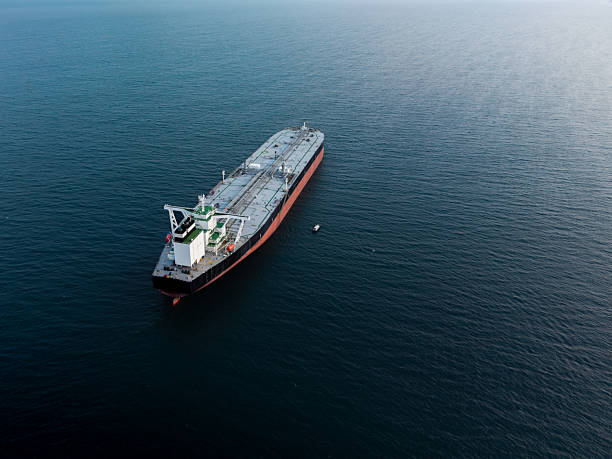
Container shipping from China to Africa is a practical option for businesses moving large quantities of goods between the two regions. It is commonly used for furniture, machinery, electronics, vehicles, building materials, clothing and other commercial cargo.
Chinese export hubs such as Shanghai, Ningbo, Shenzhen, Guangzhou and Qingdao serve many Africa-bound shipping routes. Depending on the destination, cargo may arrive through major gateways including Lagos, Tema, Mombasa, Dar es Salaam, Durban, Abidjan and Douala.
How Container Shipping from China to Africa Works
The process usually starts with your supplier preparing the goods for export.
- Supplier collection: Cargo is collected from your factory or suppliers and transported to a warehouse or container loading facility.
- Cargo preparation: Goods are counted, measured and packaged appropriately. If you are buying from multiple suppliers, the shipments can be consolidated before loading.
- Choose the container: FCL shipping gives you exclusive use of a container. Common options include 20-foot and 40-foot containers, with 40HQ containers offering additional internal height for suitable cargo.
- Container loading: Goods are professionally loaded and secured to reduce movement and damage during transportation.
- Export documentation: The required commercial and shipping documents are prepared before the container leaves China.
- Ocean transportation: The container is loaded onto a vessel and transported to the selected African destination. Transit times vary significantly by port pair, routing and whether transshipment is involved.
- Customs clearance and delivery: After arrival, the importer completes the required customs procedures before the container is released for inland transportation.
FCL or LCL?
FCL (Full Container Load) is suitable when you have enough cargo to use most or all of a container. It gives you dedicated container space and greater control over how your goods are loaded.
LCL (Less than Container Load) is useful when your shipment is too small to justify a full container. Your cargo shares container space with other importers and is consolidated before sailing.
For example, an importer buying several cubic metres of goods from different Chinese suppliers can consolidate those orders at a China warehouse instead of arranging separate international shipments.
What Affects Container Shipping Costs?
Container shipping prices change according to the route and current freight market. Important factors include:
- Chinese origin port
- African destination port
- 20ft, 40ft or 40HQ container
- Cargo type and weight
- Shipping line and sailing schedule
- Direct or transshipment routing
- Port and handling charges
- Customs duties and taxes
- Inland transportation
- Warehouse and consolidation requirements
A freight quotation should therefore be assessed based on the total landed cost, rather than the ocean freight alone.
China-to-Africa Routes
Different African markets require different shipping arrangements. West African cargo commonly moves toward gateways such as Lagos, Tema and Abidjan, while East African shipments can use Mombasa or Dar es Salaam. Southern African cargo commonly moves through Durban.
For landlocked countries, the container may need additional road or rail transportation after reaching a regional seaport.
How Travo.ng Can Help
Travo.ng can help coordinate container shipping from Chinese suppliers to African destinations, including supplier collection, warehouse consolidation, container planning, freight arrangements and delivery coordination.
Whether you are importing a full container of furniture from Foshan, machinery from Shanghai, electronics from Shenzhen or wholesale products from Yiwu, proper planning can help you select the appropriate container and shipping route.
Before requesting a quotation, prepare your supplier locations, cargo description, number of cartons or pallets, total weight, estimated volume, preferred container size and final African destination. This allows the shipping arrangement to be planned around your actual cargo requirements.
