


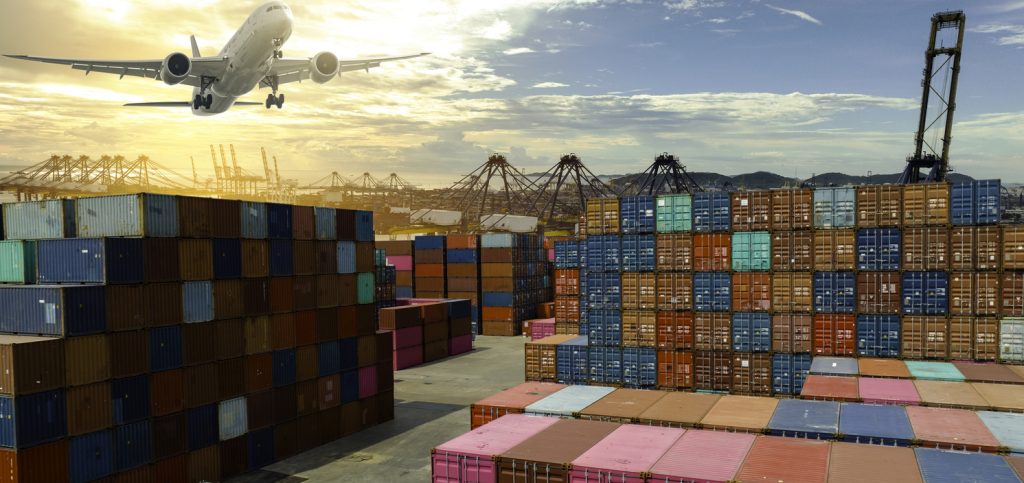
Container cleaning charges in Nigeria refer to fees charged when a shipping container must be cleaned after use before it can be returned to a shipping line or reused. These charges are common when containers are returned with dirt, residue, cargo waste, or contamination that requires professional cleaning.
In simple terms, it is the cost of cleaning a container after unloading goods.
Why Container Cleaning Is Needed
Shipping containers must be returned in a clean condition. Cleaning is required when there is:
1. Cargo Residue
- Powder, grains, chemicals, or liquid leftovers
- Food particles or packaging waste
2. Contamination Risk
- Strong odors
- Oil stains
- Hazardous material traces
3. Regulatory Compliance
Containers must meet international shipping standards before reuse.
4. Reuse Preparation
Shipping lines must ensure containers are fit for the next cargo.
Common Situations That Lead to Cleaning Charges
1. Food Imports
Spillage or organic residue inside container.
2. Agricultural Products
Dust, seeds, or plant materials remaining after unloading.
3. Chemicals and Industrial Goods
Oil, grease, or chemical contamination.
4. Broken Packaging
Spilled cartons or damaged packaging materials.
Types of Container Cleaning Services
1. Basic Cleaning
- Sweeping
- Washing
- Removing debris
2. Deep Cleaning
- High-pressure washing
- Deodorizing
- Chemical cleaning
3. Specialized Cleaning
- Hazardous material decontamination
- Food-grade sanitation
- Oil and chemical removal
Who Pays Container Cleaning Charges in Nigeria
1. Importer or Consignee
If container is returned dirty after unloading.
2. Logistics Handler
If damage or improper handling causes contamination.
3. Clearing or Transport Agent (in some cases)
If handling caused residue or spillage.
Impact of Container Cleaning Charges on Import Costs
1. Increased Landing Cost
Unexpected cleaning fees raise total import expenses.
2. Delays in Container Return
Container cannot be returned until cleaned.
3. Demurrage Risk
Delays may lead to extra storage charges.
4. Cash Flow Pressure
Importers face unplanned expenses.
5. Operational Delays
Affects availability of containers for future shipments.
Example of Container Cleaning Cost in Nigeria
- Basic cleaning: ₦30,000 – ₦100,000
- Deep cleaning: ₦100,000 – ₦300,000
- Specialized cleaning: ₦300,000 – ₦700,000+
👉 Costs depend on contamination level and depot requirements.
How to Reduce Container Cleaning Charges
1. Proper Unloading Process
Avoid spilling or damaging cargo inside containers.
2. Use Palletized Cargo
Reduces direct contact with container floor.
3. Clean Packaging Materials
Ensure goods are well-packed before shipping.
4. Inspect Container Before Return
Check for residue before handing back.
5. Train Warehouse Workers
Proper handling reduces contamination risks.
Role of Logistics in Reducing Cleaning Costs
Efficient logistics reduces:
- Cargo spillage
- Container misuse
- Improper unloading
- Damage during handling
Better handling = lower cleaning cost risk.
How Travo.ng Helps After Clearance
While container cleaning charges occur after unloading, efficient transport and handling after clearance help reduce contamination risks.
This is where Travo.ng supports businesses across Nigeria.
Travo.ng provides:
- Cargo pickup from ports and airports
- Nationwide transportation services
- Interstate logistics coordination
- Commercial cargo delivery
- Distribution support for businesses
- Last-mile delivery solutions
Proper logistics handling reduces cargo damage and improves supply chain efficiency.
Final Insight
Container cleaning charges in Nigeria are fees paid when containers need to be cleaned after use due to residue, contamination, or poor handling. While often overlooked, they can increase import costs and delay container return. Proper unloading and handling practices help avoid these charges.
