


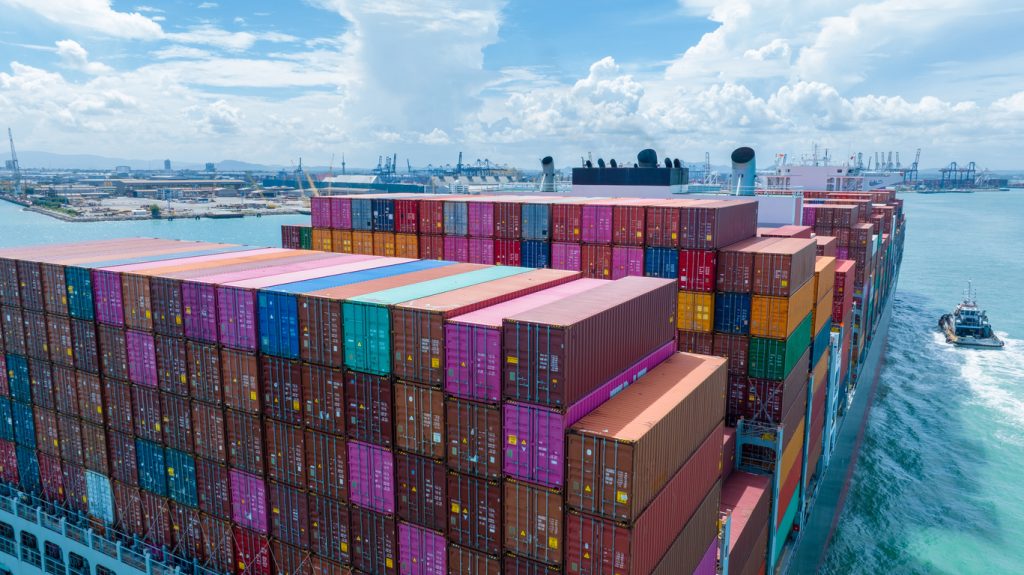
Cargo security in Nigeria refers to all measures, systems, and practices used to protect goods during import, export, storage, and transportation from theft, damage, tampering, or loss. It covers port operations, inland logistics, warehouses, and final delivery stages.
In simple terms, cargo security is how goods are protected while moving through the supply chain.
Why Cargo Security Is Important in Nigeria
Cargo security is critical because goods face multiple risks such as:
- Cargo theft and pilferage
- Container tampering
- Damage during handling
- Misrouting or loss
- Delays at ports and terminals
- Insider-related theft
Poor security can lead to major financial and operational losses.
Key Areas of Cargo Security Risk in Nigeria
1. Ports and Terminals
High-risk areas include:
- Container yards
- Inspection zones
- Offloading points
2. Inland Transportation
Risks during road movement:
- Truck hijacking
- Route diversion
- Unauthorized stops
3. Warehouses and Depots
Security issues include:
- Break-ins
- Inventory manipulation
- Internal theft
4. Customs and Inspection Points
Cargo may be exposed during:
- Physical examination
- Seal breaking
- Delays in clearance
Major Cargo Security Threats
1. Theft and Pilferage
Small or large-scale stealing of goods.
2. Container Tampering
Unauthorized opening or seal replacement.
3. Cargo Damage
Poor handling or environmental exposure.
4. Misrouting and Loss
Cargo sent to wrong destination or lost in transit.
5. Insider Threats
Involvement of:
- Port workers
- Warehouse staff
- Logistics operators
Cargo Security Measures in Nigeria
1. High-Security Seals
Tamper-evident seals help detect unauthorized access.
2. GPS Tracking Systems
Real-time monitoring of cargo movement.
3. CCTV Surveillance
Installed at:
- Ports
- Warehouses
- Depots
4. Access Control Systems
Restrict entry to authorized personnel only.
5. Reduced Port Dwell Time
Faster clearance reduces exposure to risk.
6. Secure Transportation Routes
Planned routes reduce interception risks.
7. Trusted Logistics Providers
Experienced freight handlers reduce operational risks.
8. Cargo Insurance
Provides financial protection against loss or damage.
Types of Cargo Security Systems
1. Physical Security
- Guards
- Fencing
- Locks and seals
2. Technology-Based Security
- GPS tracking
- RFID tags
- Digital monitoring systems
3. Procedural Security
- Documentation checks
- Chain-of-custody tracking
- Inspection protocols
Benefits of Strong Cargo Security
1. Reduced Financial Loss
Prevents theft and damage.
2. Improved Supply Chain Efficiency
Fewer delays and disruptions.
3. Better Inventory Control
Accurate tracking of goods.
4. Increased Customer Trust
Reliable delivery builds reputation.
5. Lower Insurance Risks
Better security can reduce claim frequency.
Common Cargo Security Challenges in Nigeria
- Port congestion
- Weak monitoring systems in some areas
- Long clearance delays
- Inconsistent enforcement
- High logistics costs
How to Improve Cargo Security in Nigeria
1. Strengthen Documentation Control
Ensure all cargo records are accurate and consistent.
2. Use End-to-End Tracking
Track cargo from origin to final delivery.
3. Reduce Handling Points
Fewer transfers reduce risk exposure.
4. Train Logistics Personnel
Proper handling reduces errors and theft opportunities.
5. Work With Reliable Partners
Use verified freight forwarders and carriers.
6. Invest in Insurance
Covers unexpected losses and risks.
How Travo.ng Supports Businesses After Clearance
While cargo security is crucial during shipping and transit, safe handling after clearance is equally important.
This is where Travo.ng supports businesses across Nigeria.
Travo.ng provides:
- Cargo pickup from ports and airports
- Nationwide transportation services
- Interstate logistics coordination
- Commercial cargo delivery
- Distribution support for businesses
- Last-mile delivery solutions
Secure logistics operations help reduce risks and improve cargo safety across Nigeria.
Final Insight
Cargo security in Nigeria is essential for protecting goods from theft, tampering, and damage throughout the supply chain. It requires a combination of physical protection, technology, strict procedures, and trusted logistics partners to ensure safe and efficient cargo movement.
