


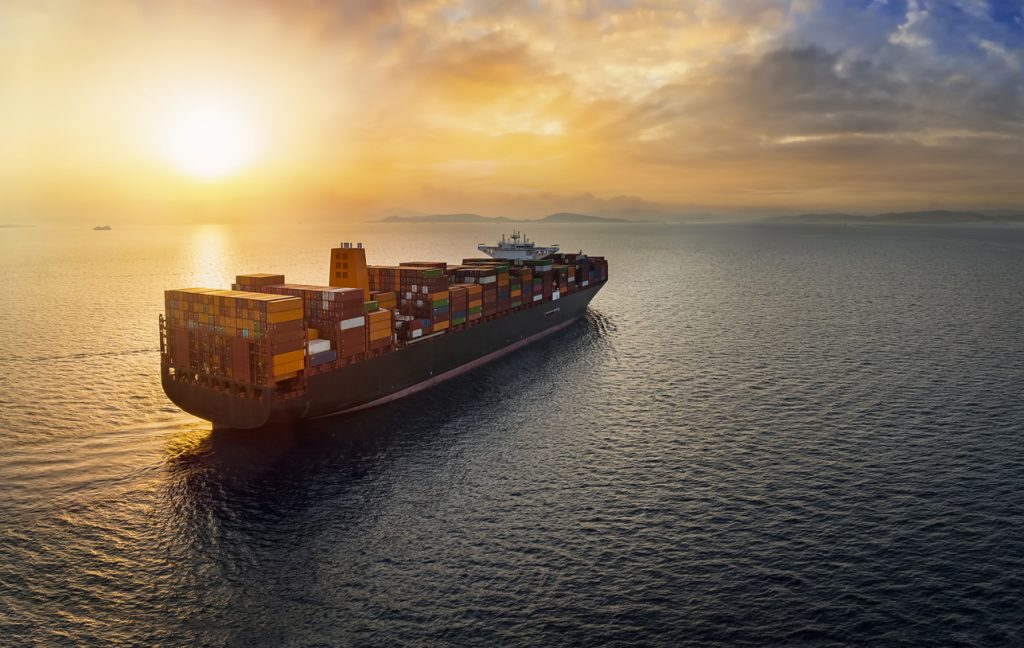
Cargo recovery in Nigeria refers to the process of locating, retrieving, or compensating for missing, stolen, or delayed goods within the supply chain. It may involve physical recovery of the cargo, financial recovery through insurance claims, or administrative recovery through dispute resolution with logistics parties.
In simple terms, cargo recovery is how businesses try to get back lost goods or recover their value after something goes wrong in shipping or logistics.
Types of Cargo Recovery in Nigeria
1. Physical Cargo Recovery
This involves finding and retrieving the actual goods, such as:
- Stolen containers recovered by authorities
- Misrouted cargo located in wrong warehouses
- Delayed shipments eventually traced and delivered
2. Financial Recovery
Most common form, done through:
- Cargo insurance claims
- Compensation from shipping lines or carriers
- Settlement agreements
3. Legal or Dispute Recovery
Used when responsibility is unclear:
- Claims against freight forwarders
- Port handling disputes
- Litigation or arbitration processes
Common Causes That Lead to Cargo Recovery Cases
1. Cargo Theft
Goods stolen during:
- Transit
- Port handling
- Warehouse storage
2. Container Tampering
Seal breakage or unauthorized access leading to loss.
3. Missing Cargo
Items unaccounted for due to:
- Misrouting
- Documentation errors
- Poor tracking systems
4. Cargo Damage
Severe damage may require compensation recovery.
5. Delivery Failure
Goods not delivered to intended recipient.
Cargo Recovery Process in Nigeria
1. Incident Reporting
The loss or issue is reported to:
- Shipping line
- Freight forwarder
- Insurance provider
- Security agencies (if theft is suspected)
2. Documentation Collection
Key documents include:
- Bill of lading
- Commercial invoice
- Packing list
- Insurance certificate
- Delivery records
- Seal details
3. Cargo Tracing
Investigators track movement using:
- Container number
- Port records
- Warehouse logs
- GPS tracking (if available)
4. Investigation and Survey
A cargo surveyor or investigator determines:
- Where loss occurred
- Cause of loss
- Value of affected cargo
5. Claim or Recovery Action
Depending on outcome:
- Insurance claim filed
- Legal dispute initiated
- Physical cargo recovery attempt
6. Settlement or Recovery
Final outcome may include:
- Financial compensation
- Partial recovery
- Successful retrieval of goods
Challenges in Cargo Recovery in Nigeria
1. Poor Documentation
Missing or inconsistent records slow down recovery.
2. Limited Tracking Visibility
Some shipments lack real-time tracking.
3. Port Congestion
Delays make tracing cargo difficult.
4. Multiple Handling Points
Each transfer increases risk of loss or confusion.
5. Disputes Over Liability
Different parties may deny responsibility.
How to Improve Cargo Recovery Success
1. Use End-to-End Tracking Systems
Helps locate cargo quickly.
2. Maintain Proper Documentation
Accurate records make tracing easier.
3. Act Quickly
Early reporting improves recovery chances.
4. Use Cargo Insurance
Ensures financial compensation if physical recovery fails.
5. Work With Reliable Logistics Partners
Reduces risk of loss and improves accountability.
Role of Cargo Insurance in Recovery
Cargo insurance plays a major role in financial recovery by covering:
- Theft
- Loss
- Damage
- Non-delivery
It ensures businesses can recover value even when goods are not physically retrieved.
Who Is Involved in Cargo Recovery?
1. Insurance Companies
Handle financial compensation.
2. Cargo Surveyors
Investigate and assess loss.
3. Freight Forwarders
Help trace shipment movement.
4. Security Agencies
Involved in theft recovery cases.
5. Port Authorities
Provide movement and handling records.
How Travo.ng Supports Businesses After Clearance
While cargo recovery focuses on resolving loss issues, preventing such problems starts with efficient logistics handling.
This is where Travo.ng supports businesses across Nigeria.
Travo.ng provides:
- Cargo pickup from ports and airports
- Nationwide transportation services
- Interstate logistics coordination
- Commercial cargo delivery
- Distribution support for businesses
- Last-mile delivery solutions
Reliable logistics operations reduce the chances of cargo loss and improve overall supply chain visibility.
Final Insight
Cargo recovery in Nigeria involves tracing, retrieving, or financially compensating for lost, stolen, or damaged goods. Success depends on documentation, speed of response, tracking systems, and insurance coverage. Strong logistics management significantly improves recovery outcomes and reduces future risks.
