


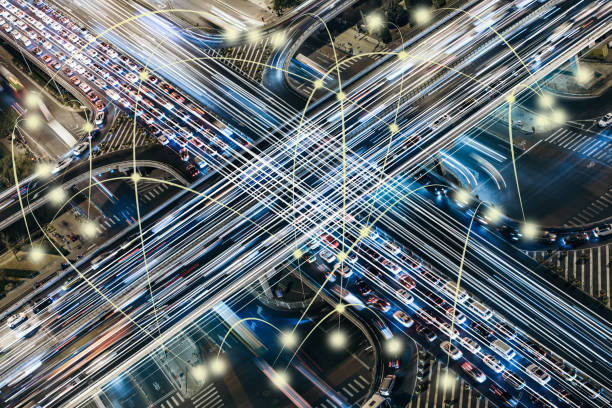
Smart mobility Lagos refers to the use of connected, efficient and sustainable transportation options to make movement around Lagos easier. As the city continues to grow, combining road, water and other transport systems can help commuters reduce travel delays and access different parts of the metropolis more efficiently.
LAGFERRY is part of Lagos’s move towards an integrated transport system, with the agency focused on technologically driven ferry services and intermodal movement.
What Is Smart Mobility in Lagos?
Smart mobility involves using different transportation modes, technology and better infrastructure to create a more efficient travel network.
In Lagos, this can involve combining:
- Ferries and water transport
- Buses
- Rail transportation
- Road transport
- Park-and-ride facilities
- Digital and technology-driven transport services
The goal is not necessarily to replace road transportation but to give commuters more efficient options for completing their journeys.
Water Transport and Smart Mobility
Lagos’s waterways are an important part of its smart mobility network.
LAGFERRY currently operates more than 25 routes, connecting areas including Ikorodu, Badore, Ojo, Mile 2, Ibeshe, Lekki and Epe with destinations such as Marina, CMS, Falomo and Victoria Island.
Using water transport can help commuters bypass congested road corridors and connect with other transportation modes at major terminals.
Intermodal Transport in Lagos
One of the important features of smart mobility is intermodal transportation, where passengers use more than one transport mode during a single journey.
For example:
Home → Bus → Ferry Terminal → Ferry → Marina → BRT/Train → Final Destination
LAGFERRY has highlighted the connection between water, road and rail transportation as part of Lagos’s multimodal transport system.
This approach can be particularly useful for commuters whose homes or workplaces are not directly beside a ferry terminal.
Smart Ferry Transportation
Technology can improve the ferry experience through better ticketing, vessel monitoring, passenger information and safety systems.
LAGFERRY has previously identified automated ticketing, real-time ferry monitoring, CCTV, drones and other technologies as areas that can improve water transportation in Lagos.
Technology-driven ferry services can make it easier for commuters to plan journeys and improve the overall reliability of water transportation.
Smart Mobility for Lagos Traffic
Traffic congestion is one of the major transportation challenges facing Lagos.
Water transportation provides a separate travel corridor that can help commuters bypass congested roads on suitable routes. LAGFERRY has specifically promoted water transport as an alternative to road travel and identified it as a way to ease pressure on the road network.
This makes ferry transportation an important part of a broader smart-mobility strategy.
Sustainable Smart Mobility
Smart mobility also involves making transportation more environmentally sustainable.
LAGFERRY has stated its commitment to sustainable water transportation, while Lagos State has announced plans to introduce electric-powered boats into the LAGFERRY fleet to support more affordable and environmentally friendly transportation.
Electric vessels could eventually contribute to cleaner water transportation while reducing operating and maintenance costs.
Smart Mobility for Daily Commuters
Smart transportation options can make daily journeys more flexible.
A commuter travelling from Ikorodu to Lagos Island, for example, can use a ferry for the water portion of the journey and then connect to road transportation at Marina or another terminal.
Similarly, passengers around Badore, Ojo and Mile 2 can use available ferry routes to avoid travelling entirely by road.
Smart Mobility for Businesses
Businesses can benefit from improved mobility by using different transportation modes for employees, clients, deliveries and corporate travel.
Water transportation can complement road transportation for businesses located around Lagos Island, Ikoyi, Victoria Island, Lekki and other waterfront areas.
For groups requiring dedicated transportation, ferry rental and other marine transportation arrangements may also be suitable.
Smart Mobility and Sustainable Transportation
Lagos’s smart mobility development is increasingly connected to sustainability.
LAGFERRY’s 2026 strategic planning has included sustainable water transportation and Lagos transport policy, while its current mission emphasises technological ferry services and environmental sustainability.
The combination of waterways, road transport, rail and emerging electric vessels can provide Lagos with a more diversified transportation system.
How Travo.ng Can Help
Travo.ng can help customers coordinate smart mobility solutions in Lagos, including ferry transportation, road-to-water transfers and multimodal journey planning where available.
Customers can provide their:
- Pickup location
- Destination
- Travel date
- Preferred departure time
- Number of passengers
- One-way or return requirement
This information helps determine the most suitable combination of transportation options.
Why Choose Travo.ng?
Travo.ng can simplify transportation planning by helping customers coordinate different parts of a journey instead of relying on a single mode of transport.
Whether you need a daily commute, ferry transfer, business transportation or a combination of road and water travel, Travo.ng can help organise the journey according to your requirements.
Plan Smart Mobility in Lagos
Smart mobility can help Lagos build a transportation system that is more connected, flexible and efficient.
With water transport, road networks, rail services, technology-driven ferry operations and emerging electric vessels, commuters have increasing opportunities to combine different modes of transportation.
Travo.ng can help coordinate smart mobility solutions in Lagos based on your route, schedule and transportation requirements.
