


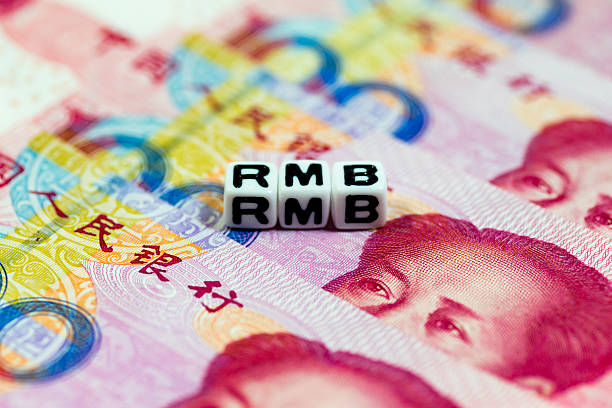
Businesses and customers in China may need to pay in RMB for logistics in Nigeria when arranging transportation, delivery, supplier pickups, or other local logistics services. A convenient RMB payment option can make it easier to manage Nigerian logistics remotely without relying on someone in Nigeria to handle the payment.
This can be particularly useful for Chinese businesses working with Nigerian suppliers, international traders, and Nigerians or customers who hold funds in Chinese yuan.
What Does Paying in RMB for Nigerian Logistics Mean?
RMB, or renminbi, is the official currency of China, while yuan is the primary unit of the currency.
Paying in RMB for Nigerian logistics means using Chinese currency to settle the cost of a logistics service taking place in Nigeria.
A logistics provider may normally price its service in Nigerian naira and use a payment provider to process the equivalent RMB amount. In some cases, an international payment platform may display the converted amount before payment.
The exact process depends on the logistics provider and its supported payment infrastructure.
Who May Need to Pay in RMB?
RMB payment can be useful for:
- Chinese businesses working with Nigerian suppliers.
- Importers and exporters.
- International trading companies.
- Customers based in China.
- Nigerians living or doing business in China.
- Businesses managing Nigerian operations remotely.
- Customers purchasing goods from Nigerian suppliers.
Instead of asking a Nigerian partner to pay for transportation or delivery, an overseas customer may be able to arrange and pay for the service directly.
What Nigerian Logistics Services Can Be Paid For?
Depending on the provider, RMB payment may be available for services such as:
- Local transportation.
- Goods delivery.
- Supplier pickups.
- Cargo transportation.
- Haulage.
- Business deliveries.
- Local distribution.
- Warehouse-related transportation.
- Moving services.
- Other available logistics services.
The available service depends on the provider, route, vehicle, cargo, and payment options.
How to Pay in RMB for Logistics in Nigeria
Step 1: Select the Logistics Service
Identify what needs to be collected, transported, or delivered.
For example, a Chinese company may purchase goods from a supplier in Lagos and need the goods transported to a warehouse in another Nigerian city.
Step 2: Provide the Logistics Details
The provider may request:
- Pickup address.
- Delivery address.
- Cargo description.
- Number of packages.
- Estimated weight.
- Approximate dimensions.
- Vehicle requirements.
- Preferred service date.
- Supplier or recipient contact details.
Complete information helps the provider determine the appropriate logistics arrangement.
Step 3: Request a Quote
The logistics price may depend on:
- Distance.
- Vehicle type.
- Cargo size.
- Cargo weight.
- Loading requirements.
- Number of stops.
- Delivery timeframe.
- Special handling requirements.
Ask whether the quotation is fixed or subject to change.
Step 4: Confirm RMB Payment
Before making payment, confirm whether RMB is supported for the specific logistics booking.
If the original service price is in naira, the payment provider may convert the amount into RMB.
Check:
- Exchange rate.
- Final RMB amount.
- Currency conversion fees.
- Payment processing fees.
- Any other applicable charges.
Step 5: Make the Payment
Depending on the provider, international payment may be possible through:
- International cards.
- Payment links.
- International bank transfers.
- Multi-currency payment platforms.
- Other supported payment methods.
Use the provider’s recognised payment process and keep your transaction confirmation.
Step 6: Receive Booking Confirmation
After payment, keep your:
- Booking reference.
- Payment receipt.
- Pickup details.
- Delivery details.
- Scheduled service date.
- Customer support information.
These details can be useful when following up on the logistics service.
Paying for Nigerian Logistics From China
A company in Shanghai, Beijing, Guangzhou, Shenzhen, or another location in China may need to arrange local logistics after purchasing goods from a Nigerian supplier.
For example, the company could require transportation from a supplier’s warehouse to another location in Nigeria.
If RMB payment is supported, the process could be:
Chinese Business → Request Logistics Service → Receive Quote → Confirm RMB Payment → Pay → Supplier Pickup → Transportation → Delivery
This allows the business to manage the Nigerian logistics arrangement remotely.
Paying RMB for Supplier Pickups
Supplier pickup is particularly useful for businesses purchasing products in Nigeria.
A customer may purchase goods from a Nigerian supplier but have no employee available locally to collect them.
A logistics provider can potentially collect the goods and transport them to the required destination.
Before booking, provide the supplier’s:
- Name.
- Phone number.
- Pickup address.
- Available pickup time.
- Cargo details.
Paying RMB for Business Logistics
Businesses operating between China and Nigeria may have regular local transportation requirements.
For example, an international trading company may need to coordinate:
Nigerian Supplier → Pickup → Local Transport → Warehouse → Customer
Paying for the local logistics from China can make it easier for the business to manage the Nigerian part of its supply chain remotely.
Pay in RMB for Logistics in Nigeria With Travo.ng
Travo.ng can help customers arrange transportation and logistics services within Nigeria.
Depending on the service, customers may need to provide:
- Pickup address.
- Delivery address.
- Cargo description.
- Quantity.
- Estimated weight or volume.
- Vehicle requirements.
- Preferred service date.
- Supplier or recipient contact details.
Where RMB payment is available for a particular booking, customers should confirm the supported payment method, exchange rate, applicable fees, and final amount before completing payment.
What If the Logistics Price Is in Naira?
Many Nigerian logistics services are quoted in naira.
If an overseas customer wants to pay in RMB, the payment provider may convert the naira amount into an equivalent RMB charge.
The final RMB amount can therefore depend on the exchange rate used when the transaction is processed.
Always check the final amount before confirming payment rather than relying on an earlier currency conversion.
Are There Additional Charges?
International payments can involve additional charges, including:
- Currency conversion fees.
- Payment processing fees.
- International transaction fees.
- Bank charges.
There may also be additional logistics charges if the service requirements change.
For example, adding another delivery location or increasing the size of a shipment could change the original quotation.
Can RMB Payments Be Refunded?
Refund arrangements depend on the provider and payment method.
Before paying, ask:
- Whether the booking can be cancelled.
- Whether the logistics fee is refundable.
- Which currency will be used for the refund.
- Whether payment processing fees are refundable.
- How long the refund process may take.
This is particularly important for international payments involving currency conversion.
Benefits of Paying in RMB
Convenient for Chinese Customers
Customers who hold RMB can potentially use their existing funds to arrange Nigerian logistics.
Easier Remote Management
A customer in China can organise a Nigerian pickup or delivery without travelling to Nigeria.
Useful for International Trade
Businesses can coordinate local logistics as part of their Nigeria-China supply chain.
Easier Supplier Coordination
Customers can arrange transportation after purchasing goods from Nigerian suppliers.
Digital Records
Online payment and booking systems can provide receipts and references for business records.
What to Check Before Paying
Confirm RMB Support
Make sure RMB payment is available for the specific service.
Check the Exchange Rate
Review how the naira price is converted into RMB.
Check the Total Cost
Confirm the final amount, including payment and logistics charges.
Verify the Payment Channel
Use the recognised payment process provided by the service platform.
Keep Your Records
Save the quotation, payment receipt, booking reference, and logistics details.
Final Thoughts
Being able to pay in RMB for logistics in Nigeria can make it easier for Chinese customers and international businesses to arrange transportation, supplier pickups, deliveries, and other local logistics remotely.
Before completing a transaction, confirm that RMB is supported, review the exchange rate and fees, check the final amount, and understand the cancellation and refund terms.
For businesses operating between China and Nigeria, a convenient international payment process can make local logistics easier to coordinate without requiring someone in Nigeria to handle every payment.
