


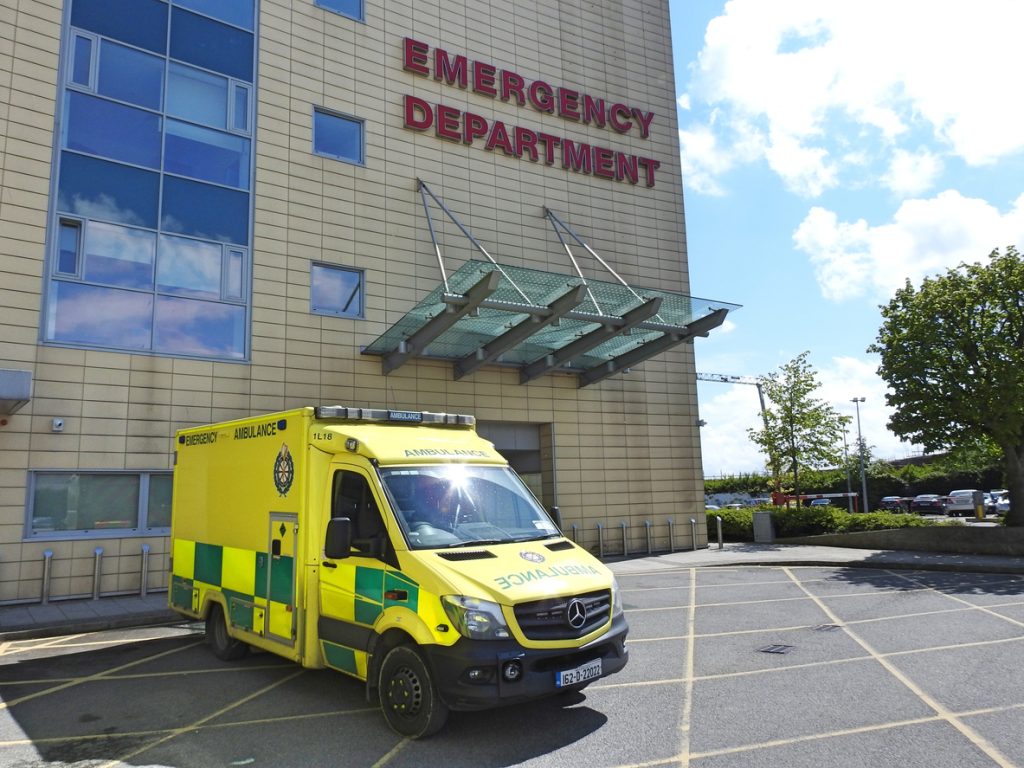
Moving medical items is not the same as sending regular parcels. A blood sample going from a clinic in Ikeja to a diagnostic lab in Victoria Island cannot be handled like an ordinary envelope. Vaccines moving from Lagos to Ibadan need better timing, temperature awareness, and proper handover. This is why choosing a reliable medical courier in Africa matters for hospitals, labs, pharmacies, NGOs, and healthcare suppliers that cannot afford delays or careless handling.
Across Nigeria and other African markets, healthcare delivery often depends on how fast and safely medical items can move between facilities. A doctor may need test results before evening rounds. A pharmacy may need urgent medicine transferred to a patient. A laboratory may need samples collected before they become unsuitable for testing. In these situations, logistics becomes part of patient care.
What Makes Medical Delivery Different From Normal Courier Work
Medical courier work requires more attention than regular dispatch delivery. The rider or driver must understand that the package may be time-sensitive, fragile, temperature-sensitive, confidential, or linked to a patient’s treatment.
Common items that need medical courier support include:
Blood and urine samples: These often need quick pickup and direct movement to the lab, especially when results are needed the same day.
Prescription medicines: Pharmacies and healthcare providers may need to deliver drugs to patients, clinics, or partner branches.
Medical records and documents: Some hospitals still move physical files, referral notes, insurance documents, and signed reports between locations.
Diagnostic kits and lab materials: Test kits, swabs, reagents, and consumables must be delivered without unnecessary delay or rough handling.
Medical equipment parts: Small machine parts, accessories, and hospital supplies may need urgent movement to avoid service disruption.
A standard courier may only focus on pickup and drop-off. A proper medical courier considers timing, packaging, route planning, proof of delivery, and safe handover.
How Medical Courier in Africa Works in Real Situations
In many African cities, healthcare logistics faces practical challenges. Traffic, poor road conditions, fuel scarcity, unclear addresses, and long distances can all affect delivery. In Lagos, a sample picked up in Lekki Phase 1 during evening rush hour may take much longer than expected if the route is not planned properly. In Abuja, deliveries between Maitama, Gwarinpa, Wuse, and airport-area clinics may require careful scheduling to avoid delays.
For interstate medical logistics, timing becomes even more important. A healthcare supplier moving items from Lagos to Benin, Abuja, Port Harcourt, or Ibadan must consider road travel time, package protection, and handover at the receiving facility. Depending on the route and urgency, some deliveries may need dedicated vehicles instead of shared transport.
This is where a coordinated service like Travo.ng becomes useful. Instead of treating medical delivery like random dispatch work, Travo.ng can help arrange courier services, vehicle hire, airport pickup coordination, and business logistics support based on what the medical item actually requires.
What Healthcare Providers Should Confirm Before Sending Medical Items
Before booking a medical courier, hospitals, labs, pharmacies, and health businesses should be clear about the delivery requirements. Many delays happen because the sender only says “send this package quickly” without explaining what is inside or how urgent it is.
Before dispatch, confirm:
The type of item: A lab sample, medicine, medical document, or equipment part may require different handling.
The pickup deadline: Some samples must leave the facility within a short time after collection.
The delivery location: Medical deliveries should include the exact hospital, department, lab unit, contact name, and phone number.
Packaging needs: Items should be sealed properly, labelled clearly, and protected from leakage, heat, breakage, or exposure.
Proof of delivery: The receiver’s name, time of delivery, and confirmation should be recorded.
These details help the courier plan correctly instead of guessing.
Common Mistakes That Cause Medical Delivery Problems
One major mistake is using the cheapest available dispatch rider without checking whether they understand medical logistics. Another mistake is sending sensitive samples through multiple handovers. Each extra transfer increases the chance of delay, damage, or confusion.
Some senders also fail to package items properly. A medicine pack may be placed in a nylon bag instead of a secure pouch. A document may be sent without waterproof protection during rainy season. A sample may be handed over without clear labelling or receiver details.
For businesses that send medical items regularly, it is better to have a structured delivery arrangement. Clinics, labs, pharmacies, and healthcare suppliers can work with Travo.ng to plan repeat pickups, urgent dispatches, intercity movement, and dedicated delivery support when needed.
When You May Need Dedicated Medical Transport
Not every medical delivery should go through a bike dispatch. Some items require a car, van, or dedicated driver. This is especially true when moving larger medical supplies, fragile equipment, bulk pharmacy stock, or items that must not be mixed with other parcels.
A dedicated vehicle may be useful for:
Bulk medicine delivery to multiple branches
Hospital supply movement between cities
Lab equipment or diagnostic machine parts
Urgent delivery from airport cargo terminals
Healthcare outreach and NGO field operations
With Travo.ng, businesses can request courier support, delivery services, transport coordination, airport pickup, and vehicle hire depending on the size, urgency, and destination of the medical shipment.
Booking a Medical Courier With Better Control
A good medical courier in Africa should give the sender confidence that the item will not disappear into an unclear delivery chain. There should be proper pickup coordination, route awareness, receiver confirmation, and communication from start to finish.
For Nigerian healthcare businesses, this is especially important because one delayed package can affect lab results, patient treatment, pharmacy fulfilment, or hospital operations. Travo.ng helps simplify this process by connecting medical delivery needs with practical logistics support, whether the job involves same-day courier movement within Lagos, scheduled delivery in Abuja, airport collection, or interstate transport.
Medical logistics is not just about speed. It is about sending the right item, through the right channel, with the right level of care. For hospitals, labs, pharmacies, and healthcare suppliers looking for dependable medical courier support across Africa, Travo.ng provides a practical way to book and manage healthcare-related deliveries with more confidence.
