


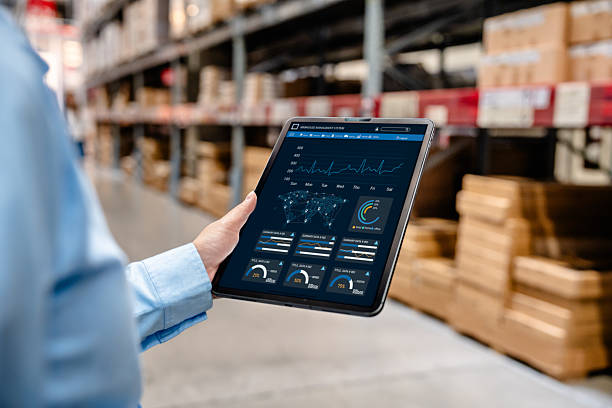
Logistics software helps businesses manage the movement, storage, and delivery of goods using digital tools. It can simplify activities such as dispatch management, transportation planning, shipment tracking, inventory management, and customer communication.
For Nigerian businesses handling regular deliveries or commercial cargo, logistics software can make operations more organised and provide better visibility over day-to-day transportation activities.
What Is Logistics Software?
Logistics software is a digital system designed to help businesses coordinate logistics operations.
Depending on the software, it can help manage:
- Deliveries.
- Shipments.
- Transportation.
- Drivers and riders.
- Vehicles.
- Warehouses.
- Inventory.
- Customer orders.
- Freight.
- Delivery schedules.
The right software depends on the type and size of the logistics operation.
How Does Logistics Software Work?
A typical delivery process using logistics software may look like:
Customer Order → Delivery Request → Vehicle or Rider Assigned → Pickup → Transportation → Delivery → Confirmation
The system can keep relevant information about each stage, making it easier for businesses to monitor orders and manage their transportation operations.
Types of Logistics Software
Delivery Management Software
This is useful for businesses that handle frequent local deliveries.
It can help manage:
- Delivery addresses.
- Pickup requests.
- Drivers and riders.
- Delivery schedules.
- Multiple orders.
- Delivery status.
Transportation Management Software
Transportation management software helps businesses plan and coordinate the movement of goods.
It can support:
- Route planning.
- Vehicle assignment.
- Carrier management.
- Delivery scheduling.
- Transportation costs.
Fleet Management Software
Businesses operating several vehicles can use fleet software to organise:
- Vehicle records.
- Driver information.
- Maintenance.
- Fuel expenses.
- Vehicle assignments.
Warehouse Management Software
Warehouse software helps businesses manage inventory and warehouse activities.
It may support:
- Receiving.
- Stock management.
- Picking.
- Packing.
- Dispatch.
- Inventory records.
Benefits of Logistics Software
Improved Organisation
Important delivery and shipment information can be stored in one system instead of being scattered across different documents and communication channels.
Better Visibility
Managers can have a clearer view of ongoing deliveries, completed orders, vehicle assignments, and other logistics activities.
Reduced Manual Work
Automating repetitive tasks can save employees time and reduce administrative work.
Better Customer Service
Accurate delivery information can help businesses respond to customer enquiries and provide updates more effectively.
Cost Management
Businesses can use logistics software to monitor transportation expenses and identify areas where operating costs can be reduced.
Logistics Software for Small Businesses
Small businesses do not necessarily need complicated logistics systems.
An online retailer, for example, may mainly need software for:
- Recording orders.
- Managing pickup requests.
- Assigning deliveries.
- Tracking delivery status.
- Keeping customer information.
As the business grows, it may require more advanced transportation and inventory features.
Logistics Software for Large Businesses
Large businesses with multiple warehouses, vehicles, branches, and delivery locations may need a more comprehensive system.
Such a system could combine:
- Transportation management.
- Fleet management.
- Warehouse management.
- Inventory management.
- Order management.
- Customer management.
- Reporting.
Having these functions connected can make it easier to coordinate a complex supply chain.
Logistics Software for E-commerce
E-commerce businesses depend heavily on efficient delivery.
When a customer places an order, logistics software can help coordinate the process from order confirmation to final delivery.
This can help businesses manage larger numbers of orders without relying entirely on manual processes.
How Much Does Logistics Software Cost?
There is no standard price for logistics software.
The cost can depend on:
- Number of users.
- Number of vehicles.
- Delivery volume.
- Features.
- Integrations.
- Storage.
- Customer support.
- Subscription period.
A small business may only require a basic system, while a large logistics company may need a customised platform.
What to Consider When Choosing Logistics Software
Before selecting a system, consider:
- Ease of use.
- Delivery management.
- Shipment tracking.
- Fleet management.
- Warehouse features.
- Reporting.
- Mobile access.
- Data security.
- Integration options.
- Customer support.
- Scalability.
The software should solve actual problems within the business rather than simply provide a large number of unused features.
Challenges of Logistics Software
Implementing new software can also present challenges.
Businesses may have to deal with:
- Employee training.
- Setup costs.
- Data migration.
- Internet connectivity.
- Technical problems.
- Integration issues.
- Resistance to new processes.
Proper training and clear operating procedures can make the transition easier.
Logistics Technology with Travo.ng
Travo.ng provides an online platform for coordinating transportation and logistics requirements in Nigeria.
Businesses and individuals can provide information such as:
- Pickup location.
- Destination.
- Cargo type.
- Package size.
- Number of items.
- Vehicle requirements.
- Delivery schedule.
This can support transportation needs including local delivery, interstate transportation, business deliveries, moving services, and commercial goods movement.
Final Thoughts
Logistics software can help businesses organise transportation, deliveries, inventory, vehicles, and shipment information more efficiently.
The most suitable software depends on the company’s size and operational needs. A small business may need basic delivery management, while a larger organisation may require an integrated system covering transportation, warehouses, fleets, inventory, and customers.
For Nigerian businesses, combining suitable technology with reliable transportation and well-planned logistics processes can help improve efficiency as the business grows.
