


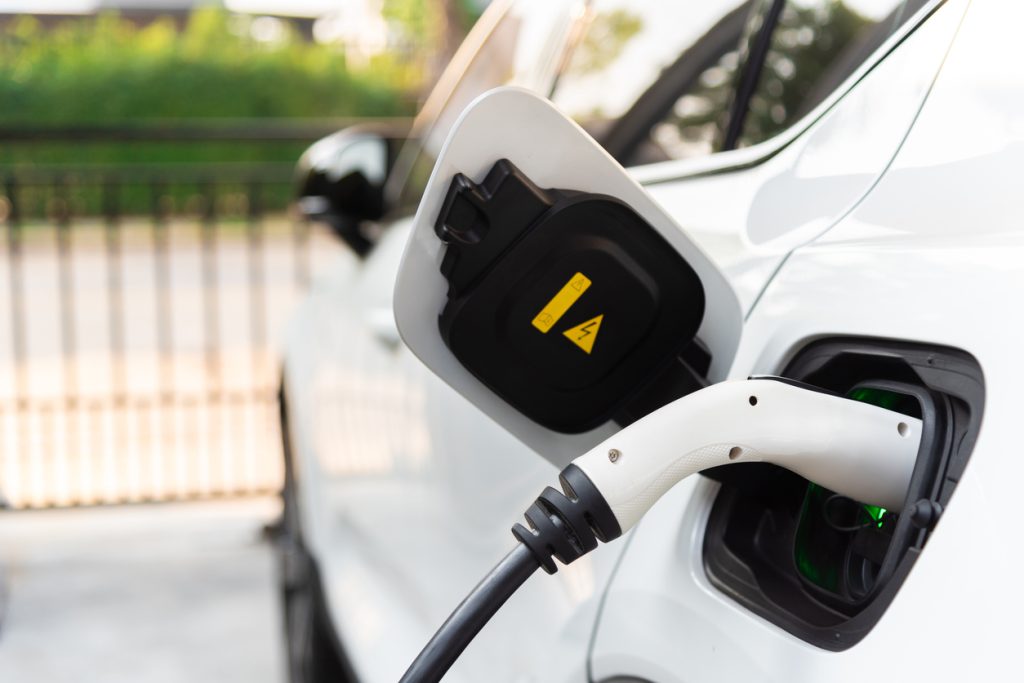
EV charging for residential developments is becoming a practical consideration for Nigerian property developers, estate managers, landlords, and homeowners planning for the growing use of electric vehicles.
For a single homeowner, installing a charger may be relatively straightforward. The situation is different in an apartment block, gated estate, serviced residence, or mixed-use development where several vehicles may eventually need to charge from the same electrical infrastructure.
The real challenge is not simply mounting chargers on a wall. Developers need to think about available power, parking arrangements, electrical capacity, future expansion, metering, safety, and how residents will actually use the charging points.
Travo.ng can support property owners and businesses with EV charging coordination and related mobility and energy logistics where required.
Plan Charging Before Residents Start Requesting It
It is easier and usually cheaper to prepare a new residential development for electric vehicles during construction than to start opening walls, changing distribution boards, and laying new cables after residents have moved in.
A developer building apartments in Lekki, Ikoyi, Victoria Island, Abuja, or Port Harcourt may not need to install a charger at every parking space immediately.
A more practical approach can include:
- Providing electrical conduits to designated parking areas
- Reserving capacity on distribution boards
- Creating dedicated EV charging bays
- Installing a smaller number of shared chargers initially
- Leaving room for additional charging units as demand increases
This avoids over-investing today while making future expansion considerably easier.
Check the Building’s Available Power First
One of the biggest mistakes with residential EV charging is selecting chargers before checking whether the property can comfortably support them.
For example, installing several relatively powerful chargers in an apartment development can create substantial additional demand if multiple residents plug in at the same time.
An electrical assessment should consider existing household consumption, lifts, water pumps, air-conditioning systems, security infrastructure, boreholes, common-area lighting, and other significant loads.
Where grid supply is unreliable, developers may also need to consider how charging interacts with generators, solar installations, inverters, battery storage, or other alternative power systems.
The correct charger capacity should therefore be based on the property’s actual electrical infrastructure rather than simply buying the fastest charger available.
Shared Charging Can Work Better in Apartment Buildings
Not every residential development needs one charger per apartment.
For estates with limited EV ownership, shared charging stations can be more economical. Residents can use designated charging spaces and move their vehicles once charging is completed.
Larger developments may eventually require dedicated chargers connected to individual apartments or separately metered charging systems.
Property managers should also establish practical rules covering:
- Who can access the charging stations
- How electricity consumption is measured
- Whether users pay per session or through service charges
- What happens when a vehicle occupies a charging bay after charging
- Who handles maintenance and faults
Sorting out these operational details early prevents disputes once more residents begin using electric cars.
Solar and Battery Storage Can Support Residential EV Charging
Nigeria’s electricity situation means residential EV charging cannot always depend entirely on public grid supply.
Developments already considering solar power and battery storage can factor vehicle charging into the overall energy design.
Charging can sometimes be scheduled during periods when solar generation or available building capacity is higher. Battery systems may also help manage demand, although their suitability depends on the size of the property and expected charging load.
This requires proper system sizing. An EV can consume a significant amount of electricity, so adding vehicle charging to an existing solar installation without recalculating capacity can quickly expose an undersized system.
Think About Where Residents Actually Park
Charger placement affects installation cost.
A charging point beside an electrical room may be relatively simple to connect. A charger located across a large estate car park could require underground cabling, trenching, protective conduits, additional distribution equipment, and physical protection against vehicle impact.
Developers should therefore consider charging locations while planning parking spaces rather than treating EV infrastructure as an afterthought.
Good placement should also allow cables to reach vehicles safely without creating trip hazards or blocking pedestrian routes.
Preparing Residential Properties for More Electric Cars
Electric vehicle adoption in Nigeria is still developing, which makes flexible infrastructure particularly important.
A residential estate may have only two EV owners today but considerably more over the lifetime of the building. Installing infrastructure that cannot be expanded can result in expensive electrical modifications later.
A sensible EV charging for residential developments strategy combines current demand with future readiness.
Travo.ng can help coordinate EV charging requirements for residential estates and other properties, including installation planning, equipment movement, technical service coordination, and related energy logistics.
For developers, landlords, facility managers, and estate associations, the objective should be simple: provide convenient charging without creating unnecessary electrical, operational, or parking problems for the property.
