


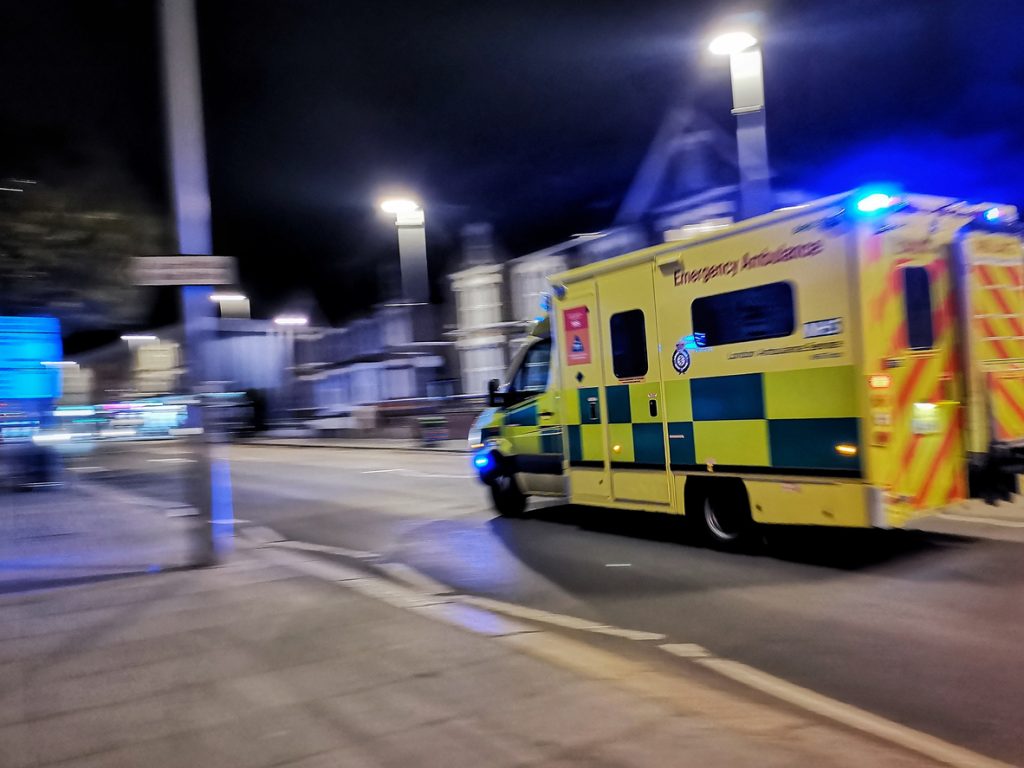
Ambulance dispatch software in Nigeria is becoming more important as hospitals, clinics, HMOs, private ambulance operators, and emergency response teams look for better ways to manage urgent medical transport. In cities like Lagos, Abuja, Port Harcourt, Ibadan, and Enugu, the challenge is not only having an ambulance available. The real issue is knowing which vehicle is closest, which route is faster, who is on duty, and how quickly the patient can be moved safely.
For many families and healthcare providers, emergency transport still starts with multiple phone calls, unclear pickup details, and delays caused by traffic or poor coordination. A proper dispatch system helps reduce that confusion by connecting request, vehicle, driver, medical crew, location, and response updates in one place.
What Ambulance Dispatch Software Actually Helps With
In Nigeria, ambulance coordination is rarely as simple as sending a vehicle from one location to another. The dispatcher often needs to confirm the patient’s condition, pickup address, destination hospital, available crew, oxygen or stretcher needs, and road access.
A good ambulance dispatch system helps teams manage:
Vehicle availability: Dispatchers can see which ambulances are free, busy, offline, or already assigned to another emergency.
Live location tracking: The nearest available ambulance can be selected instead of calling drivers one by one.
Trip details: Pickup point, hospital destination, patient information, contact person, and special requirements can be recorded clearly.
Driver and crew coordination: The system helps reduce confusion between the call handler, ambulance driver, paramedic, and receiving facility.
Status updates: Teams can track whether the ambulance is assigned, en route, at pickup, transporting the patient, or completed.
This matters because in an emergency, even ten minutes of poor coordination can make the situation worse.
Why Ambulance Dispatch Is Difficult in Nigerian Cities
Emergency medical transport in Nigeria faces practical road and communication challenges. In Lagos, an ambulance moving from Lekki to Ikeja may face heavy traffic around Admiralty Way, Third Mainland Bridge, Maryland, or the airport axis depending on the time of day. In Abuja, response time can vary between areas like Wuse, Gwarinpa, Maitama, Lugbe, and Kubwa because distance and road flow are very different.
Some common problems include:
Unclear addresses: Many callers give descriptions like “after the filling station” or “near the estate gate,” which can delay pickup if the dispatcher does not confirm properly.
Traffic delays: Rush hour, market routes, road repairs, and event traffic can affect response time.
Poor availability records: Some providers do not know immediately which ambulance is closest or fully equipped.
Multiple manual calls: Dispatchers may waste time calling several drivers before confirming one.
Hospital coordination gaps: The ambulance may arrive before the receiving hospital is ready, especially for transfers that need oxygen, emergency bed space, or specialist support.
Ambulance dispatch software in Nigeria helps reduce these delays by giving operators better visibility and faster decision-making.
How Hospitals and Private Operators Can Use It
A hospital with two or three ambulances may think software is only for large emergency networks, but even smaller providers benefit from structured dispatching. For example, a private hospital in Lekki handling emergency pickups, patient transfers, and airport medical evacuation support needs proper records of each request.
Ambulance providers can use dispatch software to manage:
Emergency pickup requests from homes, offices, schools, hotels, or event venues.
Inter-hospital transfers between private hospitals, teaching hospitals, and specialist centres.
Scheduled medical transport for elderly patients, dialysis appointments, or post-surgery movement.
Corporate medical standby for construction sites, oil and gas facilities, schools, religious events, and concerts.
Long-distance medical trips from one Nigerian city to another where planning, stops, and crew readiness matter.
The goal is not just speed. It is controlled movement, better communication, and safer patient handling.
What to Check Before Choosing a Dispatch System
Not every software will work well for Nigerian emergency transport. Some platforms are built for countries with structured address systems and smoother emergency response networks. Nigerian operators need tools that can handle local realities.
Before choosing ambulance dispatch software, check for:
Simple mobile access: Drivers and dispatchers should be able to use it easily on phones, not only on desktop computers.
GPS and route visibility: The system should support live tracking and practical route monitoring.
Clear trip records: Every emergency request should have time stamps, pickup details, destination, crew notes, and completion status.
Multiple user roles: Admin staff, dispatchers, drivers, and medical crew should not all have the same access.
Call and booking integration: The system should make it easy to record requests coming from phone calls, WhatsApp, websites, or partner hospitals.
Local flexibility: It should allow manual edits when addresses are not exact or when routes need to change because of traffic or security concerns.
For Nigerian operations, flexibility is just as important as automation.
Where Travo.ng Fits Into Medical Transport Coordination
Travo.ng supports practical transport, logistics, and mobility coordination across Nigeria, including emergency-related movement where reliable vehicle arrangement and communication are important. For healthcare providers, families, corporate organisations, and event planners, the concern is usually simple: how do we get the right vehicle, to the right place, at the right time, without confusion?
Through its transport and logistics coordination experience, Travo.ng can help users arrange medical transport support, ambulance-related movement, vehicle hire, airport pickups, hotel transfers for medical visitors, and planned mobility for healthcare teams where needed.
This is especially useful when the request goes beyond one ambulance trip. A hospital may need courier support for medical documents, a family may need airport pickup after treatment abroad, or a company may need standby transport for a staff medical emergency. Travo.ng’s advantage is understanding how Nigerian movement works in real situations, from traffic planning to pickup confirmation and route coordination.
Mistakes to Avoid When Managing Ambulance Requests Manually
Many delays happen because emergency transport is handled too casually. Even when the ambulance is available, poor coordination can waste time.
Avoid these common mistakes:
Waiting until an emergency before confirming contacts: Hospitals and families should already know who to call before urgent situations happen.
Sending incomplete pickup information: Always confirm the exact address, nearest landmark, phone number, patient condition, and access instructions.
Ignoring traffic timing: A route that takes 25 minutes in the afternoon may take over one hour during peak Lagos traffic.
Not confirming the receiving hospital: For transfers, the destination facility should know the patient is coming.
Using only verbal instructions: Important details can be forgotten when there is pressure. A written or digital dispatch record helps.
Ambulance dispatch software reduces these mistakes by making the process more organised and traceable.
A More Reliable Way to Coordinate Emergency Movement in Nigeria
Ambulance dispatch software in Nigeria is not just a technology trend. It solves a real problem in healthcare transport: delayed communication, unclear vehicle availability, poor route visibility, and scattered trip records. For hospitals, ambulance operators, HMOs, corporate organisations, and families, better dispatch coordination can make emergency movement faster and less stressful.
Travo.ng helps connect users with practical transport and logistics solutions that fit Nigerian road conditions, city movement patterns, and urgent mobility needs. Whether it is ambulance-related coordination, medical transport planning, airport pickup for patients, or healthcare logistics support, the right system and the right operations partner can make a serious difference when timing matters.
