


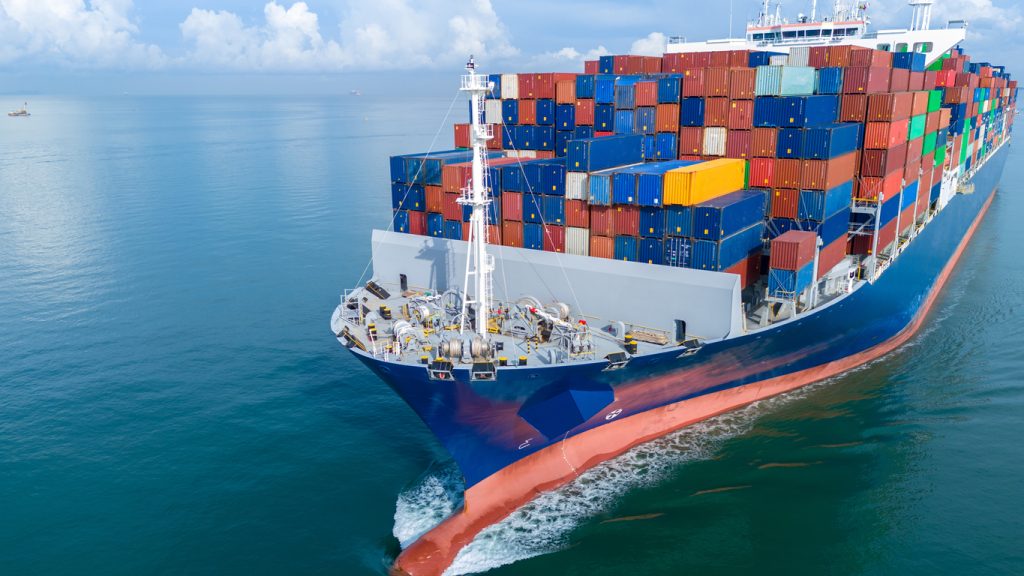
Import logistics solutions in Nigeria refer to all services and systems involved in moving goods from international suppliers into Nigeria and delivering them to warehouses, businesses, or final customers. This includes shipping, customs clearance, port handling, warehousing, and inland transportation.
Import logistics is a critical part of Nigeria’s trade economy, especially for manufacturing, retail, FMCG, pharmaceuticals, construction, and e-commerce businesses.
What Import Logistics Means
Import logistics covers the full process of bringing goods into Nigeria, including:
- International freight (air or sea)
- Customs documentation and clearance
- Port handling and terminal operations
- Cargo inspection and compliance
- Warehousing and storage
- Inland transportation to destination
How Import Logistics Works in Nigeria
1. Supplier and Export Stage
Goods are shipped from countries like:
- China
- UAE (Dubai)
- USA
- India
- Europe
2. International Freight Shipping
Cargo arrives via:
- Sea freight (containers, bulk cargo)
- Air freight (urgent or high-value goods)
3. Port Arrival in Nigeria
Major entry points:
- Lagos ports (Apapa, Tin Can Island)
- Port Harcourt ports
- Onne port
4. Customs Clearance
Handled by Nigerian Customs Service:
- Documentation verification
- Duties and taxes payment
- Cargo inspection
5. Cargo Handling and Warehousing
Goods are moved to:
- Bonded warehouses
- Distribution centers
- Private warehouses
6. Inland Transportation
Final delivery to:
- Retailers
- Manufacturers
- Wholesalers
- Customers
Types of Import Logistics Services
1. Air Import Logistics
- Fast delivery of urgent goods
- Used for electronics, medicine, and samples
2. Sea Import Logistics
- Cost-effective for bulk shipments
- Used for containers and heavy cargo
3. Door-to-Door Import Services
- End-to-end handling from supplier to customer
- Includes customs and delivery
4. Customs Brokerage Services
- Documentation and clearance processing
- Duty and compliance handling
5. Freight Forwarding Services
- Coordination of shipping and logistics chain
- Carrier negotiation and cargo tracking
6. Bonded Warehousing Services
- Storage of imported goods before duty payment
- Used for large-scale importers
Key Components of Import Logistics
Freight Forwarding
Manages international shipment coordination.
Customs Clearance
Ensures legal entry of goods into Nigeria.
Port Operations
Handling container unloading and inspection.
Inland Distribution
Transporting goods from ports to destinations.
Warehousing
Temporary storage of imported goods.
Major Import Logistics Providers in Nigeria
SIFAX Group
- Port operations and cargo handling
- Freight forwarding and import logistics
- Terminal and shipping services
MDS Logistics
- Import distribution for FMCG
- Warehousing and inland logistics
- Nationwide supply chain support
Red Star Express
- Air and sea freight import handling
- Customs support services
- Corporate logistics solutions
GIG Logistics
- Import delivery and fulfilment support
- Warehousing and distribution services
- E-commerce import logistics
DHL Global Forwarding
- Global import shipping
- Customs and freight forwarding
- End-to-end supply chain solutions
Maersk
- Sea freight container shipping
- Global import and export logistics
- Port-to-inland cargo movement
Benefits of Import Logistics Solutions
1. Access to Global Markets
Businesses can source products worldwide.
2. Cost Efficiency
Bulk shipping reduces per-unit costs.
3. Supply Chain Expansion
Enables international sourcing for industries.
4. Business Growth
Supports manufacturing and retail expansion.
5. Reliable Delivery Systems
Structured logistics improve consistency.
Challenges of Import Logistics in Nigeria
- High customs duties and taxes
- Foreign exchange volatility
- Port congestion (especially Lagos ports)
- Delays in clearance processes
- High shipping costs
- Infrastructure limitations
Import Logistics vs Export Logistics
| Import Logistics | Export Logistics |
|---|---|
| Goods entering Nigeria | Goods leaving Nigeria |
| Focus on customs clearance | Focus on outbound shipping |
| Port-to-inland delivery | Inland-to-port delivery |
| High regulatory checks | Export documentation focus |
Importance in Nigeria’s Economy
Import logistics is essential because it:
- Supports manufacturing industries
- Enables retail and FMCG supply chains
- Provides access to foreign goods and technology
- Drives e-commerce growth
- Strengthens national trade balance
How Travo.ng Fits Into Import Logistics Systems
Import logistics providers handle international shipping and customs, while platforms like Travo manage inland movement and last-mile delivery.
Travo.ng supports:
- Port-to-warehouse transportation
- Customs-cleared cargo dispatch
- Fleet coordination for imported goods
- Interstate distribution of imports
- Real-time shipment tracking
- Supply chain execution across Nigeria
This ensures imported goods move efficiently from port → warehouse → market or customer.
Conclusion
Import logistics solutions in Nigeria are essential for international trade, enabling businesses to bring goods into the country efficiently. From freight forwarding to customs clearance and inland distribution, import logistics forms the backbone of Nigeria’s supply chain ecosystem.
