


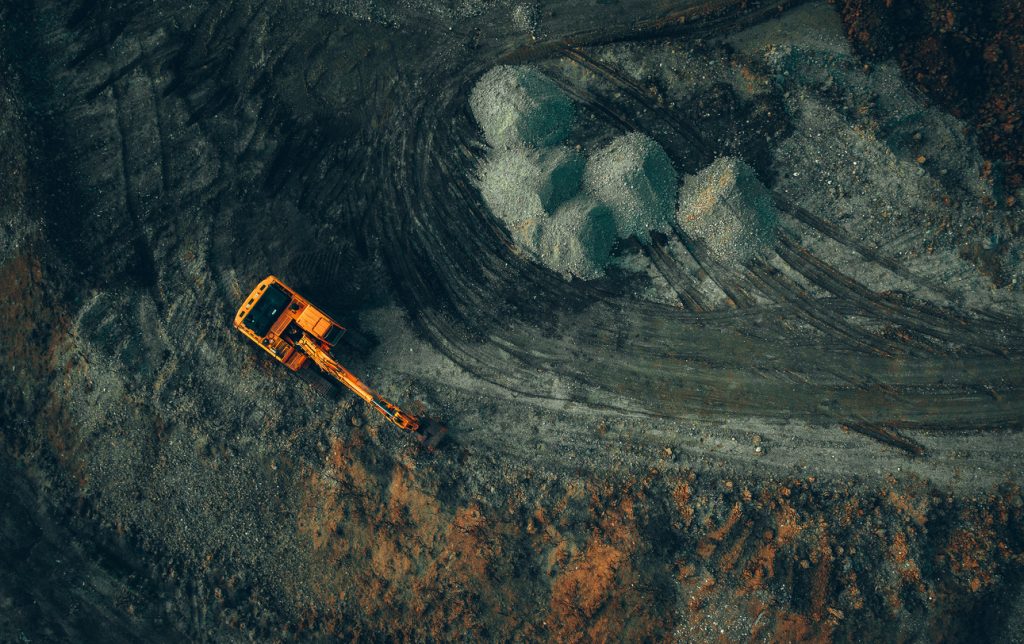
Excavator GPS tracker installation is now a standard security and fleet control practice for construction companies in Nigeria. Excavators are among the most valuable and frequently targeted machines on construction sites, especially where multiple contractors, subcontractors, and equipment operators are working in the same environment.
In busy construction zones like Lagos, where roadworks, estate development, and industrial projects run simultaneously, keeping track of excavators in real time is no longer optional—it is part of basic project control.
Why excavators need GPS tracking in Nigeria
Excavators are expensive, mobile, and often moved between multiple sites within short notice. Without tracking, it becomes difficult to know their exact location or usage status.
Common issues contractors face include:
- Excavators moving without approval between sites
- Unauthorized night-time usage
- Equipment theft from construction sites
- Poor accountability among operators
- Delays in returning machines after jobs
- Misuse leading to faster wear and tear
These challenges can disrupt project timelines and increase operational costs.
What an excavator GPS tracker actually does
An excavator GPS tracker is a compact device installed on the machine that provides real-time monitoring and control.
It allows contractors to:
- Track excavator location live
- Monitor movement between sites
- Receive alerts for unauthorized movement
- Set operational boundaries (geofencing)
- View usage history and activity reports
- Improve equipment accountability
It turns heavy machinery into a fully trackable asset.
How excavator GPS tracker installation works
Installation is usually done by trained technicians to ensure the device is secure and hidden.
The process typically includes:
- Identifying a secure, hidden installation point on the excavator
- Mounting a rugged GPS tracking device
- Connecting the device to the machine’s power source
- Testing signal strength and data transmission
- Activating real-time tracking on a mobile or web platform
- Setting up alerts and geofencing zones
Once installed, the system runs automatically without needing daily input.
Best installation points on an excavator
Placement is critical for performance and security.
Common installation locations include:
- Inside the engine compartment
- Under operator cabin panels
- Inside protected electrical housing
- Near the machine’s control unit (securely concealed)
The goal is to ensure the device is difficult to detect or tamper with while maintaining strong signal reception.
Key benefits of installing GPS trackers on excavators
Proper installation delivers both security and operational control.
Benefits include:
- Prevention of unauthorized movement or theft
- Real-time visibility of machine location
- Improved equipment utilization across sites
- Reduced idle time and misuse
- Faster response during emergencies
- Better project coordination and planning
For contractors managing multiple machines, this visibility is critical.
Excavator tracking for construction project management
On active sites, excavators are often shared across multiple tasks.
Tracking helps site managers:
- Assign machines efficiently across different zones
- Monitor productivity during working hours
- Prevent equipment bottlenecks
- Ensure machines are used where needed
- Track operational hours for maintenance scheduling
This improves overall project efficiency and reduces downtime.
Common mistakes during excavator tracker installation
Many tracking issues come from poor installation rather than device failure.
Common mistakes include:
- Poorly hidden devices that are easily removed
- Weak wiring connections causing signal loss
- Installing non-rugged devices unsuitable for heavy machinery
- Not configuring alerts and geofencing properly
- Ignoring maintenance or system updates
Proper installation is essential for long-term reliability.
How excavator GPS tracking improves security in Lagos construction sites
In a high-activity environment like Lagos, construction equipment is often exposed to theft risk, especially in open or semi-secured sites.
Tracking helps by:
- Providing instant location visibility
- Sending alerts when machines leave approved zones
- Supporting rapid recovery in case of theft
- Monitoring after-hours movement
- Deterring unauthorized use by operators
This significantly reduces security risks for contractors.
Integration with fleet and logistics systems
Excavator tracking becomes even more powerful when integrated into broader fleet management systems.
This allows contractors to:
- Track excavators alongside transport trucks
- Coordinate delivery of machinery to sites
- Monitor fuel usage and machine hours
- Plan logistics for multiple construction projects
- Improve overall operational efficiency
How Travo.ng supports excavator tracking solutions
Heavy equipment tracking is most effective when combined with proper logistics coordination and operational support.
Travo.ng supports contractors through:
- GPS tracking and fleet visibility solutions
- Logistics coordination for equipment movement
- Transport support for construction machinery
- Operational planning across multiple project sites
- Mobility solutions for construction and industrial operations
This helps contractors maintain full control over both vehicles and heavy equipment.
Final thoughts
Excavator GPS tracker installation is one of the most effective ways to protect construction assets in Nigeria. It provides real-time visibility, reduces theft risk, improves operational efficiency, and helps contractors manage machines across multiple sites.
In fast-growing construction environments like Lagos, where equipment movement is constant and project timelines are tight, GPS tracking has become a necessary part of modern construction management.
