


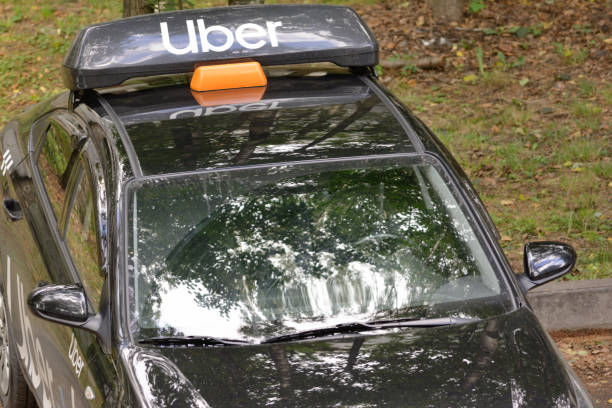
“Uber for diesel” describes an on-demand fuel delivery model where customers can request diesel through a mobile app or digital platform and have it delivered directly to their location.
The idea is similar to ride-hailing: instead of travelling to a filling station or depot, the customer places an order, provides a delivery location and receives the fuel at an agreed time. Several Nigerian platforms now operate or are developing services around this model. MPS, for example, offers petrol and diesel delivery through its app, while Soroman supports diesel ordering, delivery tracking and bulk fuel orders. (Google Play)
How an Uber for diesel service works
The process is usually straightforward:
- Select diesel and the required quantity.
- Enter the delivery location.
- Choose immediate or scheduled delivery where available.
- Confirm the order and payment.
- Track the delivery.
- Receive the diesel at the approved delivery point.
For businesses, the process may also include invoices, bulk orders and records of previous purchases.
Who uses on-demand diesel delivery?
An Uber-style diesel service can be useful for businesses and individuals that regularly depend on diesel.
Common customers include:
- Offices and commercial buildings
- Hotels and restaurants
- Warehouses
- Factories
- Estates
- Generator operators
- Fleet businesses
- Construction companies
- Farms and industrial sites
A business operating a generator for several hours each day can schedule diesel deliveries around its actual consumption instead of waiting until the tank is nearly empty.
Bulk diesel delivery for businesses
Large businesses may require hundreds or thousands of litres at a time. An on-demand platform can make these orders easier to coordinate by capturing the quantity, delivery location, driver information and order status digitally.
Some current Nigerian platforms support bulk business fuel orders and allow customers to track delivery progress through their systems. (Google Play)
Why delivery tracking matters
Tracking is particularly useful when diesel is being delivered to a business location.
The customer can know when the order has been accepted, dispatched and delivered instead of relying entirely on phone calls between the supplier and receiving staff.
For fleet and business operations, digital records can also make it easier to reconcile fuel purchases with invoices and consumption data.
How Travo.ng Can Support Diesel Delivery Logistics
Travo.ng can support the transportation and logistics side of operations where diesel-related supplies, equipment or other cargo need to move between locations.
For businesses coordinating warehouses, offices, project sites or multiple branches, Travo.ng can help organise relevant transportation and delivery requirements around planned schedules.
This makes Travo.ng useful for the wider logistics operation surrounding fuel-dependent businesses, without presenting it as a diesel supplier or fuel delivery app.
What to check before using an Uber for diesel service
Before ordering diesel through an on-demand platform, check its service coverage, minimum order quantity, delivery schedule, payment options and safety procedures.
Businesses ordering large quantities should also confirm the receiving location and make sure the site has an appropriate storage arrangement for the fuel.
For recurring requirements, consumption records can be used to determine how frequently deliveries should be scheduled.
The future of on-demand diesel delivery
The Uber-style model is changing how fuel can be ordered in Nigeria by combining digital ordering with delivery logistics. Current platforms already offer features such as mobile ordering, real-time tracking, scheduled delivery and bulk purchasing. (Google Play)
For businesses that depend on diesel, the biggest practical advantage is convenience combined with better visibility over the ordering and delivery process. When paired with fuel consumption tracking, scheduled supply and reliable logistics, on-demand diesel delivery can become part of a more organised fuel management system.
