


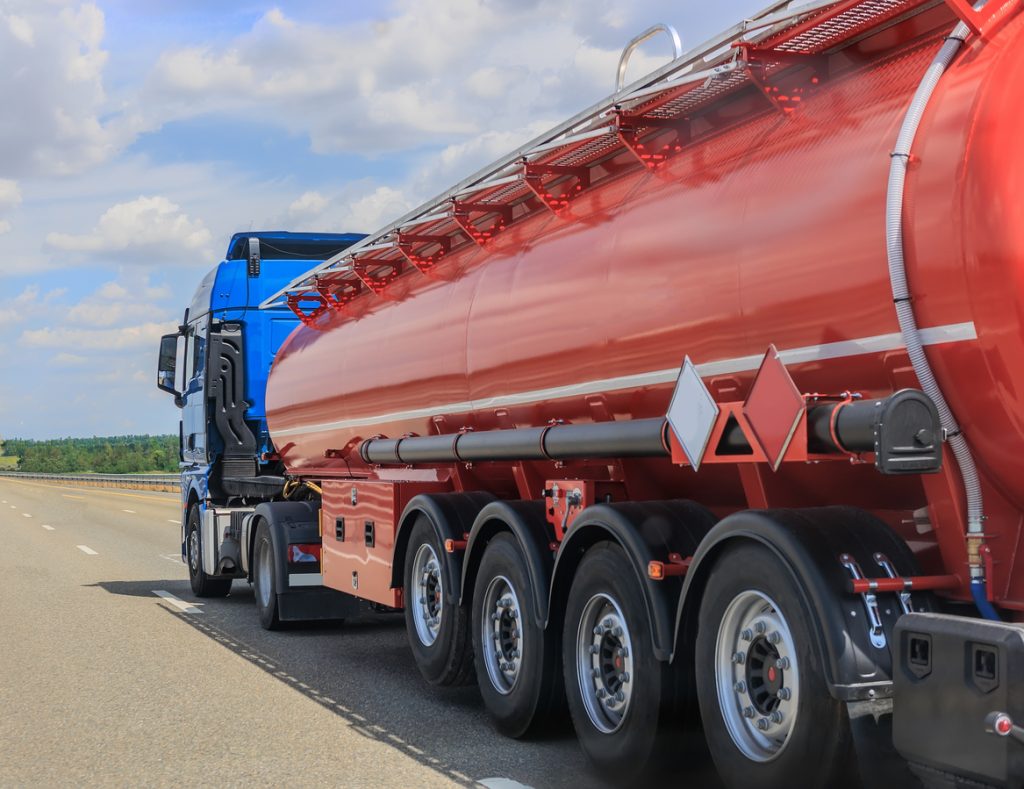
Fuel delivery is becoming more organised as businesses look for faster ways to order, schedule and manage their fuel requirements. Instead of relying entirely on physical visits, repeated phone calls and last-minute purchases, technology can help connect fuel supply with delivery logistics.
In Nigeria, this shift is particularly relevant for businesses that depend on diesel generators, vehicle fleets and fuel-powered equipment.
From Manual Orders to Digital Fuel Supply
Traditional fuel procurement can involve several separate steps. A business may need to find a supplier, negotiate the quantity, arrange transportation and confirm when the fuel will arrive.
Digital fuel delivery platforms can bring more of these processes together. Businesses can provide their fuel type, quantity, location and preferred delivery time through a more structured ordering process.
Smarter Fuel Delivery for Businesses
The future of fuel delivery is likely to involve better use of consumption and delivery data.
For example, a company can track how much diesel its generators consume each week. That information can help management estimate when another delivery will be required instead of waiting until the fuel tank is almost empty.
This approach can be useful for offices, hotels, hospitals, factories, estates and warehouses.
Technology and Fleet Fuel Management
Fleet operators can also benefit from more organised fuel logistics. Vehicles may operate across different routes and locations, making traditional fuel management difficult.
Digital records can help fleet managers monitor fuel issued, vehicle mileage, operating locations and delivery requirements. Over time, this information can help businesses understand their fuel consumption more accurately.
Scheduled and On-Demand Delivery
Fuel delivery is moving toward a combination of scheduled and on-demand supply.
Businesses with predictable consumption can schedule recurring deliveries, while companies facing unexpected shortages may require urgent supply. A flexible system can accommodate both requirements depending on supplier availability and delivery conditions.
Better Delivery Tracking
As logistics becomes more digital, businesses can expect greater visibility into their fuel orders. Delivery information can help management know when an order was placed, where it is going and when it is expected to arrive.
This is particularly useful for businesses managing several facilities or operating locations.
Bulk Fuel Supply
Large businesses will continue to require bulk fuel deliveries. The future of bulk supply will depend not only on quantity but also on better planning around storage capacity, consumption patterns, delivery routes and operating schedules.
Accurate data can help businesses order appropriate quantities instead of relying entirely on estimates.
How Travo.ng Fits Into the Future of Fuel Logistics
Travo.ng can coordinate eligible fuel delivery and transportation logistics for businesses that need fuel moved to their operating locations.
Customers can provide their fuel requirements, delivery location and preferred timeframe so the appropriate supply and transportation arrangements can be confirmed.
This can support scheduled, bulk and urgent fuel logistics for businesses, fleets, estates, construction sites and other commercial operations.
What Businesses Should Prepare For
Businesses can prepare for smarter fuel delivery by keeping accurate records of fuel consumption, generator operating hours, vehicle usage and previous deliveries.
These records provide useful information when deciding how much fuel to order and how frequently deliveries should be scheduled.
The future of fuel delivery is not simply about delivering fuel faster. It is about making the entire process easier to plan, coordinate and monitor while helping businesses keep their operations running.
