


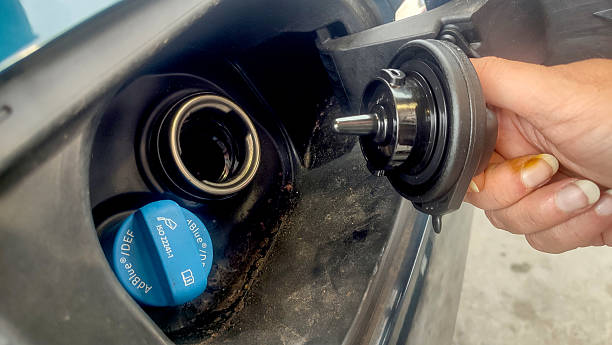
With fuel costs making everyday driving more expensive, reducing fuel consumption can save Nigerian motorists a significant amount of money. The good news is that you do not always need to change your car. Better driving habits, proper maintenance and smarter trip planning can help your car use less fuel.
Drive Smoothly
Aggressive acceleration and sudden braking can increase fuel consumption. Instead, accelerate gradually and look ahead for traffic, junctions and traffic lights so you can slow down smoothly.
This is particularly useful in busy areas such as Lagos, Abuja, Ibadan and Port Harcourt, where constant stopping and starting can quickly increase fuel usage.
Keep Your Tyres Properly Inflated
Under-inflated tyres create more rolling resistance, forcing the engine to work harder. Check your tyre pressure regularly and use the pressure recommended by your vehicle manufacturer.
Do not overinflate the tyres simply to save fuel, as this can affect handling and tyre wear.
Service Your Car Regularly
A poorly maintained car can consume more fuel than it should. Pay attention to:
- Dirty air filters
- Worn spark plugs
- Incorrect engine oil
- Faulty sensors
- Poor wheel alignment
- Dragging brakes
- Engine warning lights
If your fuel consumption suddenly increases, have the vehicle inspected instead of simply assuming petrol prices are the problem.
Reduce Unnecessary Idling
Leaving your engine running while waiting for someone, sitting outside a shop or parked for a long period wastes fuel.
In Nigerian traffic, some idling is unavoidable, but unnecessary idling when the vehicle is parked can be reduced.
Avoid Carrying Unnecessary Weight
Heavy items left permanently in the boot make the engine work harder, particularly during acceleration. Remove things you do not regularly need.
This is especially useful for vehicles used for everyday city driving.
Use the Air Conditioner Sensibly
Air conditioning places an additional load on the engine and can increase fuel consumption. Use it sensibly, particularly when the vehicle is stationary for long periods.
However, comfort and safe driving should come first, especially during very hot Nigerian weather.
Plan Your Trips
Combining several errands into one journey can reduce the number of kilometres you drive each week.
For example, instead of making separate trips to the bank, supermarket and mechanic, plan them together where possible. Avoiding unnecessary journeys can save more fuel than trying to make small mechanical changes to the car.
Drive at a Steady Speed
Constantly speeding up and slowing down wastes fuel. Once you are on an open road, maintaining a steady and sensible speed can help your vehicle operate more efficiently.
For semi-automatic cars, allow the transmission to select appropriate gears rather than repeatedly accelerating aggressively and forcing unnecessary gear changes.
Choose the Right Car
If you are buying another vehicle mainly for daily commuting, consider fuel consumption alongside the purchase price.
Smaller engines, lighter vehicles and well-maintained fuel-efficient models can make sense for regular city driving. However, the cheapest car to buy is not necessarily the cheapest to run, so consider maintenance, spare parts and reliability as well.
Why Choose Travo.ng?
Travo.ng understands the practical transportation challenges faced by Nigerian motorists, from heavy urban traffic to interstate journeys. Whether you need vehicle transportation, travel coordination or other mobility support, planning your journeys properly can help reduce unnecessary driving and control transportation costs.
Track Your Fuel Consumption
One of the easiest ways to know whether your car is improving is to record how much fuel you buy and how far you travel.
If consumption becomes noticeably worse without a change in your driving pattern, arrange a proper vehicle inspection. A mechanical fault may be responsible.
Reducing fuel consumption is mainly about consistency. Smooth driving, correct tyre pressure, regular servicing, sensible use of the air conditioner and better journey planning can all help you get more kilometres from every litre.
