


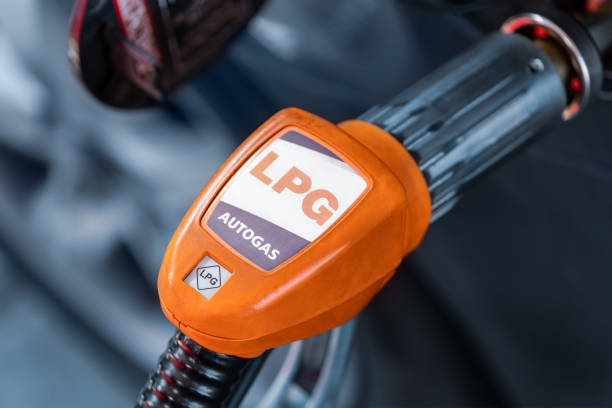
Fuel theft is a serious operating problem for Nigerian businesses that depend on trucks, generators, delivery vans, buses and other fuel-powered equipment. When diesel or petrol disappears without a clear explanation, companies often blame high fuel prices or poor mileage when the real issue may be weak monitoring.
To prevent fuel theft in Nigeria, businesses need more than warnings to drivers. The most effective approach is to control how fuel is purchased, issued, recorded and consumed throughout each journey or business operation.
Know Exactly How Much Fuel Each Vehicle Should Use
The first step is establishing a realistic fuel consumption baseline for every vehicle.
A truck carrying cargo from Lagos to Abuja will not consume fuel at the same rate as a delivery van making short stops around Ikeja, Lekki or Victoria Island. Vehicle type, load weight, traffic, road condition, air-conditioning use and driving behaviour all affect consumption.
Fleet managers should record:
- Fuel issued before departure
- Vehicle mileage
- Route travelled
- Cargo weight where relevant
- Refuelling stops
- Fuel remaining after the trip
After several trips, unusual differences become easier to identify.
Stop Giving Drivers Uncontrolled Fuel Cash
One common weakness in fleet operations is giving drivers large amounts of cash for fuel without proper verification.
For example, if a driver travelling between Lagos and Abuja receives money for several refuelling stops, the business should know where the fuel was purchased, the quantity bought and the vehicle mileage at that point.
Using approved filling stations, fuel cards, digital payments or authorised vendors reduces the opportunity to inflate fuel expenses.
Receipts should also be matched with trip records rather than collected without checking them.
Fuel Monitoring Can Expose Small Losses Early
Fuel theft does not always involve draining an entire tank.
Small quantities removed repeatedly can create significant losses across a fleet.
Installing fuel sensors, GPS fleet tracking systems and digital monitoring tools can help businesses identify sudden fuel-level changes when a vehicle is parked or travelling outside an approved route.
This is particularly useful for haulage companies, construction operations, distributors and businesses operating several vehicles across Nigeria.
Control Fuel Storage Around Warehouses and Offices
Businesses using generators or maintaining private diesel tanks also need stronger storage controls.
Fuel tanks should be located in controlled areas with restricted access. Meter readings should be recorded whenever fuel is received or dispensed.
A simple daily opening and closing fuel record can expose unexplained shortages quickly.
Where different employees can access the same tank without documentation, identifying responsibility becomes much harder.
Route Planning Reduces Unexplained Fuel Consumption
Poorly planned trips can make genuine fuel usage look suspicious.
A delivery vehicle moving between Lagos Island and the mainland may spend hours in traffic. Interstate trucks may also face diversions, checkpoints or long idling periods.
Businesses should therefore compare fuel consumption against the actual route rather than relying only on kilometres travelled.
Travo.ng can support businesses with transport coordination, cargo logistics, courier services and other logistics arrangements that help create more organised vehicle movements.
Make Drivers Accountable Without Creating Conflict
Preventing fuel theft should not automatically mean accusing drivers.
Clear procedures work better than constant suspicion.
Before every trip, drivers should understand the fuel allocation, expected route and documentation required. At the end of the journey, mileage and remaining fuel can be checked against the trip record.
When the same system applies to everyone, accountability becomes part of normal fleet operations.
Use Better Transport Management Instead of Guesswork
Companies trying to prevent fuel theft in Nigeria need visibility across vehicles, drivers, routes and fuel purchases.
Travo.ng helps businesses coordinate transport, deliveries, cargo movement, vehicle hire and other logistics requirements across Nigeria. Better planning makes it easier to track journeys, reduce unnecessary mileage and spot unusual operating costs.
Fuel losses are easier to control when every litre, journey and vehicle has a clear record. For businesses managing regular deliveries or fleet operations, organised transport management can protect margins while keeping vehicles moving efficiently.
