


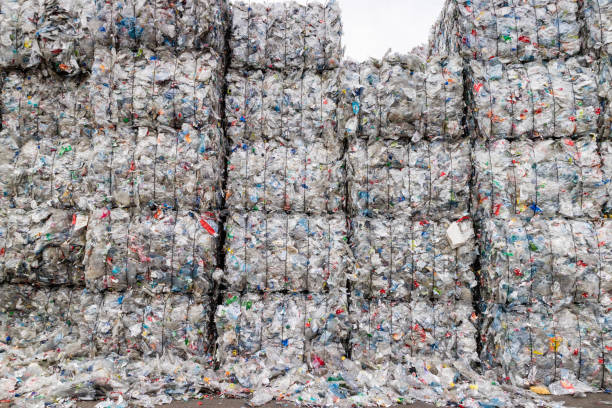
Plastic waste is difficult to ignore in Lagos. Used sachets, packaging films, containers and other plastics can accumulate quickly around markets, estates, warehouses and commercial areas. Instead of allowing suitable waste plastics to end up in drains or dumpsites, plastic to fuel in Lagos projects offer another potential recovery route.
Plastic-to-fuel involves processing certain plastic waste into fuel-like products, commonly through technologies such as pyrolysis. However, the conversion plant is only one part of the operation. Plastics must first be collected, sorted, stored and transported efficiently.
For businesses involved in recycling and waste recovery, Travo.ng can support the transport and logistics side of this process.
How Plastic to Fuel in Lagos Actually Works
A typical operation starts with collecting suitable plastic waste from different locations. The material is then sorted because not every type of plastic is appropriate for the same conversion process.
Depending on the facility, plastics may be cleaned, shredded and prepared before entering a controlled thermal process. In pyrolysis, plastic is heated with little or no oxygen, producing vapours that can be condensed into liquid products, alongside gases and solid residues.
The exact output and its permitted use depend on the feedstock, equipment, refining process, quality standards and applicable environmental requirements.
This means operators should not treat mixed plastic waste as automatically suitable for fuel production.
Moving Plastic Waste Across Lagos Is a Major Part of the Job
Collection can become complicated when waste comes from several locations.
Imagine a recycling operator collecting plastics from restaurants in Lekki, warehouses around Ikeja and businesses on the Lagos mainland. Sending a vehicle for every small quantity can increase transport costs and waste working hours.
A better approach is to establish collection points and consolidate loads before transportation.
Businesses should consider:
- Volume generated at each location
- Collection frequency
- Vehicle capacity
- Sorting requirements
- Loading and unloading arrangements
- Distance from collection points to the processing facility
Travo.ng can assist with transport coordination, vehicle arrangements and business logistics where appropriate.
Lagos Traffic Can Affect Collection Schedules
Traffic matters when planning plastic to fuel in Lagos logistics.
A truck collecting material across several parts of the city can lose hours if the route is poorly planned. Lekki–Epe Expressway congestion, mainland traffic and busy industrial corridors can all affect collection times.
Instead of scheduling pickups randomly, operators can group collections by area. For example, Ikeja and nearby mainland pickups may be handled separately from Lekki or Victoria Island collections.
For larger volumes, planned truck movements can also be more practical than repeatedly dispatching smaller vehicles.
Storage Needs Attention Before Collection
Plastic may be lightweight, but loose material can occupy considerable vehicle and warehouse space.
Where possible, businesses can bag, bale or otherwise consolidate appropriate plastics before transportation. This can make loading easier and improve vehicle utilisation.
Storage areas should also be properly managed. Keeping collected plastics contained and protected helps prevent material from spreading into surrounding streets and drains while awaiting pickup.
For commercial operations, predictable collection days can prevent waste from overwhelming available storage space.
Businesses Can Build a More Reliable Recovery System
Restaurants, manufacturers, estates, retailers and warehouses can participate in plastic recovery without operating their own conversion facilities.
The practical starting point is separating recoverable plastics from general waste and arranging dependable collection.
A business generating significant quantities might schedule weekly pickups, while a smaller operation could use a shared collection arrangement. Large processors may need dedicated vehicles or consolidated transport from multiple collection points.
Travo.ng can support these movements through vehicle hire, transport coordination and logistics arrangements tailored to the volume and pickup locations.
Plan Plastic Recovery Around Real Lagos Conditions
Successful plastic-to-fuel projects need more than processing equipment. Feedstock has to reach the facility consistently, and that requires organised collection, storage and transportation.
For companies exploring plastic to fuel in Lagos, establishing a dependable logistics system from the beginning can reduce missed collections, unnecessary trips and poorly utilised vehicles.
Travo.ng provides practical transport and business logistics support that can help recycling and waste-recovery operators coordinate plastic movement across Lagos more efficiently.
