


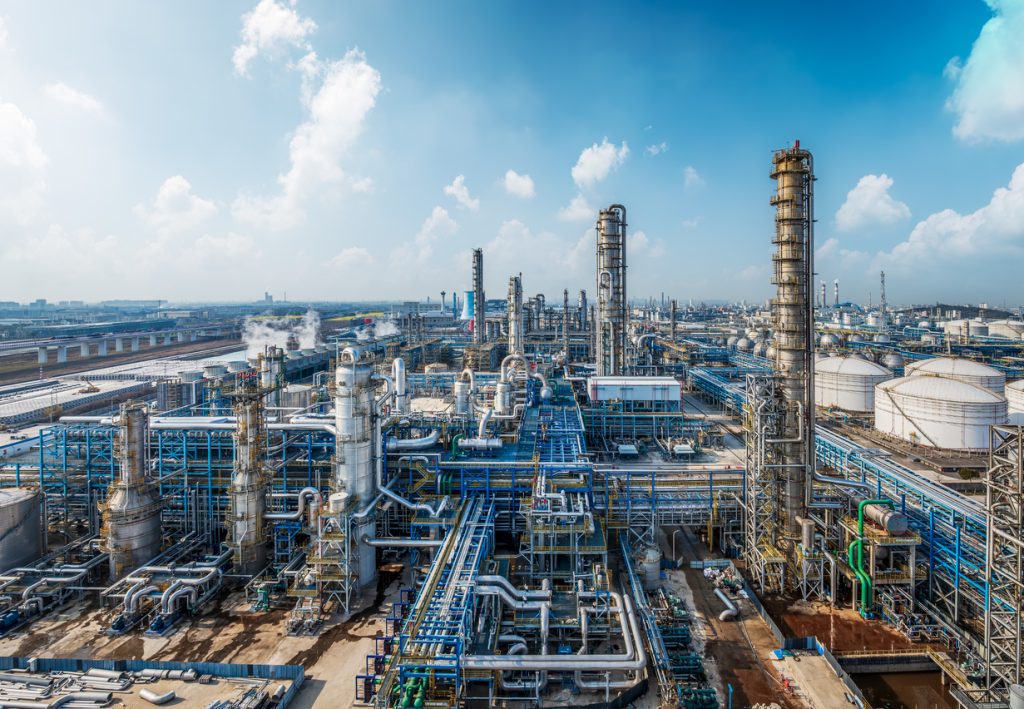
Moving petroleum products in Nigeria is not the same as moving ordinary cargo. A truck carrying AGO, PMS, LPG, base oil, or industrial diesel needs proper coordination, trusted drivers, safe loading points, route planning, and clear delivery timing. That is why many businesses now look for a reliable petroleum transport marketplace in Nigeria instead of calling random tanker owners one by one.
For filling stations, construction firms, factories, farms, hotels, and energy suppliers, delays in fuel movement can affect operations quickly. A hotel running on diesel in Lekki, a factory in Ogun, or a farm project outside Kaduna cannot afford uncertainty when fuel is needed.
What a petroleum transport marketplace actually helps you do
A petroleum transport marketplace connects businesses that need petroleum movement with transport providers who can handle bulk haulage safely and efficiently.
Instead of searching manually for tankers, negotiating blindly, or depending on one unreliable contact, customers can arrange transport based on:
- Product type
- Pickup and delivery location
- Truck capacity
- Timing
- Route conditions
- Documentation needs
- Driver and vehicle availability
For example, moving diesel from Lagos to Ibadan may require a different arrangement from supplying AGO to a construction site in Abuja or transporting petroleum products from Port Harcourt to Onitsha.
Common petroleum transport routes in Nigeria
Some of the busiest petroleum logistics movements in Nigeria involve routes such as:
- Lagos to Ibadan, Abeokuta, Ilorin, and Benin
- Port Harcourt to Aba, Owerri, Uyo, and Calabar
- Warri to Asaba, Enugu, and Onitsha
- Lagos to Abuja and Kaduna
- Depot-to-station deliveries within Lagos, Ogun, and Oyo
These routes can be affected by traffic, checkpoints, depot delays, bad road sections, and loading queues. A good transport arrangement considers these issues before the truck leaves.
What customers usually worry about
Most customers searching for petroleum transport are not only asking for a truck. They want peace of mind.
The common concerns include:
- Will the tanker arrive on time?
- Is the driver familiar with the route?
- Can the product be delivered without shortage?
- Is the vehicle suitable for petroleum haulage?
- Who handles coordination if there is a delay?
- Can I arrange repeat deliveries for my business?
This is where Travo.ng can support customers with practical logistics coordination, not just basic booking.
How much does petroleum transport cost in Nigeria?
Petroleum haulage pricing depends on distance, truck size, product type, loading location, road condition, and urgency. A short depot-to-site delivery within Lagos will not cost the same as moving bulk diesel from Lagos to Abuja.
For many businesses, pricing may be influenced by:
- Tanker capacity
- One-way or return logistics
- Waiting time at depot
- Delivery deadline
- Route risk
- Fuel and driver costs
Rather than guessing, it is better to request a quote based on the actual pickup point, destination, and product volume.
Mistakes businesses make when booking petroleum transport
One common mistake is choosing the cheapest truck without checking reliability. In petroleum logistics, a low price can become expensive if the driver arrives late, the truck breaks down, or the delivery is poorly coordinated.
Other mistakes include:
- Booking too late during high-demand periods
- Not confirming exact discharge location
- Ignoring road access for large tankers
- Failing to plan for depot waiting time
- Using transporters without clear communication
Businesses that depend on steady fuel supply should treat petroleum transport as part of their operations planning, not an emergency arrangement.
Where Travo.ng fits into petroleum logistics
Travo.ng helps customers arrange practical transport and logistics support across Nigeria. For petroleum-related movement, the focus is on coordination, route planning, vehicle arrangement, and dependable communication from booking to delivery.
The same local understanding Travo.ng brings to courier services, cargo logistics, delivery coordination, vehicle hire, relocation support, airport pickups, and business logistics can also help companies that need structured petroleum transport support.
Whether you are supplying a filling station, moving diesel to a worksite, or arranging regular fuel delivery for business operations, Travo.ng can help make the process less stressful.
Booking petroleum transport with better control
Before booking, prepare these details:
- Product type
- Pickup location
- Delivery address
- Estimated volume
- Preferred delivery date
- Contact person at both ends
- Any access restrictions at the delivery site
With this information, Travo.ng can better support the transport request and reduce confusion during pickup or delivery.
A petroleum transport marketplace in Nigeria should do more than list trucks. It should help customers move fuel products with better planning, safer coordination, and reliable communication.
For businesses that cannot afford fuel supply disruption, booking through a locally experienced logistics partner like Travo.ng is a smarter way to manage petroleum movement across Nigeria.
