


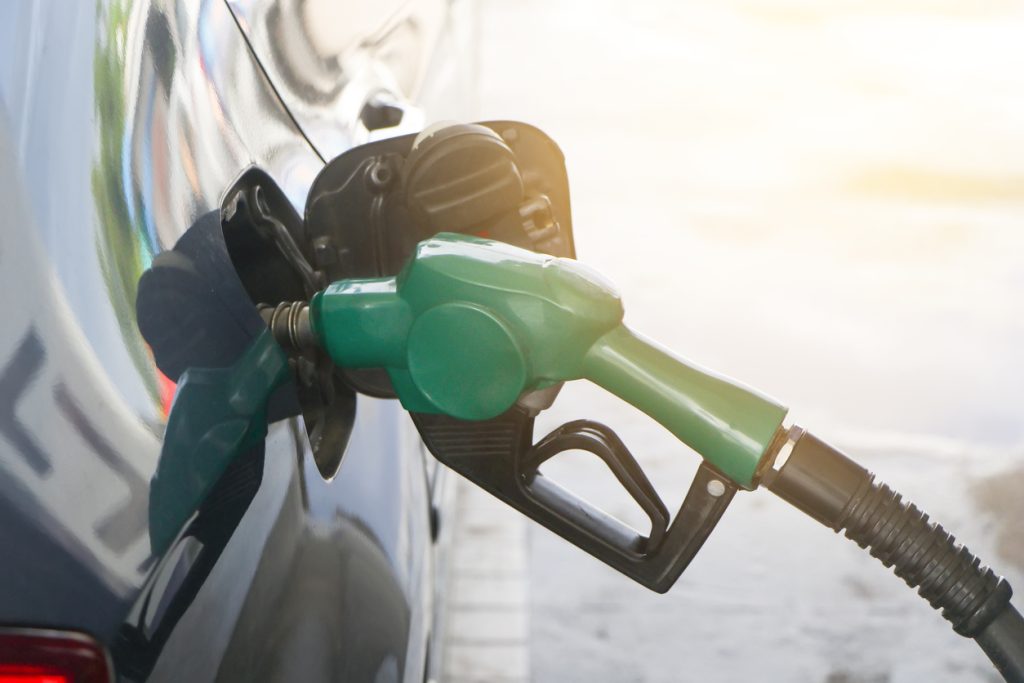
The petrol price in Nigeria continues to change across different states and filling stations as marketers respond to depot prices, supply conditions and international crude oil movements.
As of early September 2026, petrol prices are generally around ₦1,300 to ₦1,400 per litre at many retail outlets, although the exact pump price depends on location and the filling station. Recent market reports show some Lagos outlets selling around ₦1,310 per litre, while prices at some locations have moved above ₦1,400. (Vanguard News)
Why Petrol Prices Vary
There is no single pump price across Nigeria. The amount motorists pay can differ because of:
- Depot and wholesale petrol prices
- Transportation and distribution costs
- International crude oil prices
- Exchange-rate movements
- Local supply and demand
- Location of the filling station
- Individual marketers’ pricing decisions
Recent increases in depot prices have put additional pressure on retail pump prices. (Vanguard News)
Petrol Prices and Transportation Costs
Changes in petrol prices directly affect the cost of moving people and goods. Higher fuel expenses can increase the operating costs of taxis, buses, delivery vehicles, logistics companies and haulage operators.
For businesses making frequent deliveries, fuel consumption can become a significant part of the transportation budget. Route planning, combining deliveries and selecting the appropriate vehicle can help reduce unnecessary fuel usage.
How to Plan Around Changing Fuel Prices
If you are planning a long-distance journey, calculate your expected fuel consumption before travelling and allow for possible price differences between locations.
Businesses should also consider fuel costs when preparing delivery or transportation quotations. Since pump prices can change quickly, using an outdated fuel price can result in inaccurate logistics budgets.
How Travo.ng Can Help
Travo.ng provides transportation and logistics support for individuals and businesses across Nigeria. Services can include delivery coordination, intercity transportation, haulage and other mobility solutions.
For businesses dealing with rising fuel costs, better route planning and coordinated deliveries can help reduce unnecessary journeys and improve transportation efficiency.
Because petrol prices can change from one station and location to another, motorists should confirm the current pump price before budgeting for a journey or commercial delivery.
