


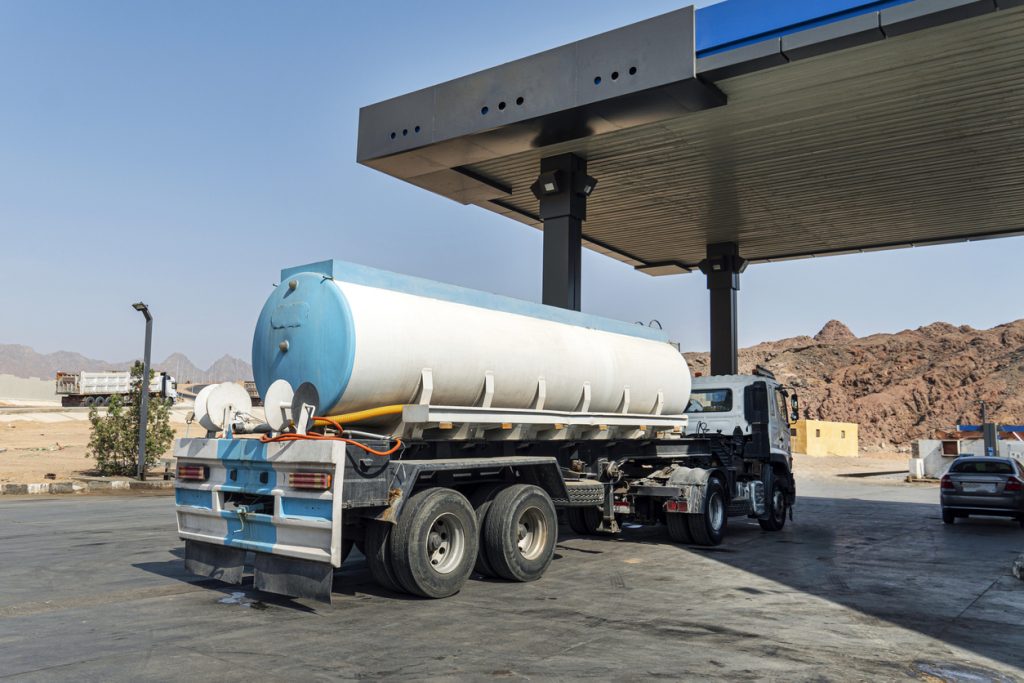
Fuel prices in Nigeria continue to change in response to refinery pricing, global crude oil trends, and market conditions. These adjustments affect transportation costs, logistics, ride-hailing services, and the overall cost of doing business.
If you’re searching for the new fuel price, here’s the latest update on petrol prices in Nigeria and what the changes mean for travellers and businesses.
What Is the New Fuel Price in Nigeria?
As of July 2026, petrol (Premium Motor Spirit – PMS) is selling at approximately:
- ₦1,075 per litre at some filling stations supplied under the latest refinery pricing.
- ₦1,100 to ₦1,400 per litre at many filling stations nationwide, depending on the state, marketer, and location.
Pump prices may differ between states because of transportation costs, distribution expenses, and supply conditions.
Why Has the Fuel Price Changed?
Several factors are influencing the latest petrol prices in Nigeria.
Refinery Price Adjustments
Changes in refinery and depot prices directly affect the retail price motorists pay at filling stations. Recent adjustments by major suppliers have led to price variations across the country.
Global Crude Oil Prices
International oil prices continue to influence the cost of refined petroleum products in Nigeria, especially during periods of global market volatility.
Distribution Costs
Transporting fuel from depots to filling stations adds to the final retail price, which is why prices can vary by location.
Market Competition
Competition among marketers means some filling stations may sell slightly below or above the prevailing market price.
How Fuel Prices Affect Transportation
Changes in petrol prices have a direct impact on:
- Intercity transportation
- Logistics and delivery services
- Commercial transport
- Ride-hailing services
- Business operating costs
- Supply chain expenses
Higher fuel prices often result in increased transportation and delivery charges.
Tips for Managing Fuel Costs
To reduce transportation expenses:
- Plan trips efficiently.
- Combine multiple errands into one journey.
- Maintain your vehicle regularly.
- Compare fuel prices where possible.
- Use dependable transportation providers for long-distance travel.
These practices can help reduce fuel consumption and overall travel costs.
How Travo.ng Supports Your Travel Needs
As fuel prices change, reliable transportation becomes even more important. Travo.ng provides dependable travel and logistics solutions across Nigeria, including:
- Intercity transportation
- Airport transfers
- Car hire services
- Corporate travel
- Nationwide parcel delivery
- Interstate logistics
- Fleet transportation
- Business mobility solutions
Whether you’re travelling for business or transporting goods across Nigeria, Travo.ng helps provide reliable transportation solutions that keep your plans on schedule.
Why Choose Travo.ng?
Travellers and businesses choose Travo.ng because of its:
- Reliable transportation network
- Nationwide service coverage
- Professional customer support
- Flexible mobility solutions
- Business-friendly logistics services
- Commitment to dependable service
Travo.ng is dedicated to helping individuals and businesses move efficiently across Nigeria.
Conclusion
The new fuel price in Nigeria currently ranges from ₦1,075 to ₦1,400 per litre, depending on the location and filling station. Fuel prices remain subject to changes in refinery pricing, distribution costs, and global oil market conditions.
For reliable intercity transportation, airport transfers, car hire, and nationwide logistics services, Travo.ng provides trusted travel solutions designed to keep people and businesses moving efficiently.
