


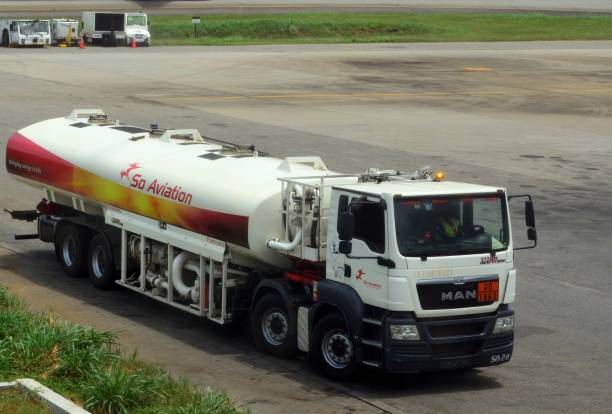
Managing fuel for a fleet can become difficult when several vehicles are operating across different locations. Sending drivers to filling stations takes time, creates additional stops and makes it harder for fleet managers to monitor overall fuel usage.
Mobile fuel delivery for fleets provides an alternative by arranging fuel to be delivered to an agreed location where the vehicles can be refuelled or supplied.
How Mobile Fuel Delivery Works
Fleet managers provide the delivery location, required fuel type, quantity and preferred delivery time. The fuel is then coordinated for delivery to the fleet’s operating base or another suitable location.
This can be useful for:
- Delivery and logistics companies
- Transport companies
- Construction fleets
- Corporate vehicle fleets
- Haulage companies
- Rental and service vehicles
- Agricultural and industrial operations
The exact delivery arrangement depends on the vehicle type, fuel requirement, location and available storage or refuelling setup.
Bulk Fuel Delivery for Fleets
Companies with large fleets may consume substantial quantities of diesel or petrol every week. Instead of managing individual fuel purchases for every vehicle, fleet managers can plan bulk supply around expected consumption.
Before arranging a bulk delivery, confirm the available storage capacity and the amount of fuel required.
Fuel Delivery to Fleet Depots
A fleet depot can serve as a central point for fuel management. Vehicles can return to the depot for scheduled refuelling while management records the quantity supplied.
This can make it easier to track fuel consumption across different vehicles and identify unusual increases in usage.
Mobile Fuel Delivery for Trucks
Haulage and heavy-duty fleets often travel long distances and may operate from locations where convenient refuelling is not always available.
For trucks and other heavy vehicles, fuel planning should consider route length, expected consumption, vehicle capacity and delivery location. Construction and industrial fleets may also require fuel at temporary operating sites.
Scheduled Fleet Fuel Supply
Businesses with predictable fuel consumption can arrange recurring deliveries. A regular schedule reduces the need for fleet managers to make last-minute fuel arrangements.
Fuel records can be used to adjust delivery quantities as the number of vehicles, routes or operating hours changes.
Tracking Fleet Fuel Usage
Fuel delivery works better when combined with proper record keeping. Fleet managers can track:
- Litres supplied
- Vehicle registration or identification
- Date of refuelling
- Mileage or operating hours
- Route or assignment
- Fuel consumption
These records can help identify vehicles with unusually high fuel consumption and improve overall fleet budgeting.
How Travo.ng Can Support Fleet Fuel Logistics
Travo.ng can coordinate eligible fuel delivery and transportation logistics for fleet operators. Businesses can provide their operating location, fuel requirements and preferred delivery schedule so the appropriate arrangements can be confirmed.
Travo.ng can also support broader transportation and logistics coordination for businesses managing vehicles, deliveries and movement across different locations.
Planning Mobile Fuel Delivery for Your Fleet
Start by calculating the fleet’s average weekly or monthly consumption. Then determine where fuel is needed, how much can be stored and how frequently deliveries should be made.
A well-planned delivery schedule can reduce unnecessary trips to filling stations, simplify fuel management and help keep vehicles available for their assigned operations.
