


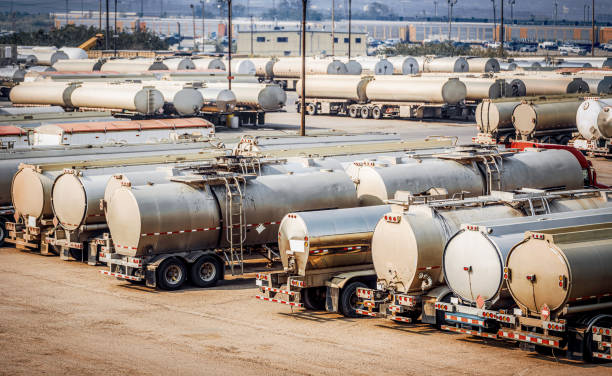
Marine fuel logistics covers the planning, transportation, storage and delivery of fuel to vessels. For ships operating around Lagos, Port Harcourt and Nigeria’s offshore waters, getting fuel to the right vessel at the right time requires coordination between suppliers, ship agents, port teams and vessel crews.
A delay in bunkering can affect a vessel’s departure, cargo operation or offshore assignment, which is why fuel planning needs to be part of the wider voyage schedule.
What Marine Fuel Logistics Involves
A marine fuel operation can involve several stages, depending on the vessel and delivery location:
- Sourcing the required marine fuel
- Moving fuel to the required location
- Storage and handling
- Barge or tanker mobilisation
- Delivery alongside or at anchorage
- Fuel quantity and quality checks
- Bunkering documentation
The exact process varies between a vessel receiving fuel at a port and an offshore vessel requiring delivery away from the shoreline.
Marine Fuel Delivery Around Lagos
Lagos is an important centre for maritime activity, with vessel operations around Apapa, Tin Can Island and Lagos Anchorage.
A ship may need fuel while alongside a terminal or while waiting at anchorage. In an anchorage operation, a bunker barge may be used to transfer fuel to the vessel.
The delivery schedule needs to account for the vessel’s ETA, port activities, weather and the availability of the required bunkering equipment.
Choosing the Right Marine Fuel
The fuel required depends on the vessel’s engine and operational requirements. Depending on the vessel, an order could involve:
- Marine Gas Oil (MGO)
- Marine Diesel Oil (MDO)
- Very Low Sulphur Fuel Oil (VLSFO)
- Heavy Fuel Oil (HFO)
The vessel’s engineering or technical team should confirm the required specification before fuel is ordered. A supplier should not be expected to determine the correct fuel solely from the vessel’s name or route.
Why Vessel Location Matters
Marine fuel logistics becomes more complicated when a vessel is not alongside a terminal.
For example, a cargo vessel at Lagos Anchorage may require a bunker barge, while an offshore support vessel working away from the coast may need a different delivery arrangement.
The supplier therefore needs accurate information about:
- Vessel position
- Fuel quantity
- Fuel grade
- ETA or delivery window
- Port or anchorage
- Vessel contact details
An inaccurate location can cause unnecessary delays and additional mobilisation costs.
Planning Fuel Around a Vessel’s Schedule
Bunkering should fit into the vessel’s overall operating schedule. A ship may also be loading or unloading cargo, taking stores, changing crew or completing maintenance during the same port call.
For this reason, fuel delivery should be planned early enough to avoid competing with other activities.
If the vessel’s ETA changes, the ship agent or operator should update the fuel logistics team immediately so the delivery arrangement can be adjusted.
Fuel Quality and Delivery Records
Fuel quality is a major consideration in marine operations. The fuel supplied should match the agreed specification and be handled according to the appropriate procedures.
Vessel operators may also require fuel samples, delivery documentation and records showing the quantity and type of fuel supplied.
Keeping accurate records helps the operator track fuel consumption and maintain documentation for the vessel’s voyage and operational requirements.
Marine Fuel Logistics for Offshore Operations
Offshore support vessels serving Nigeria’s oil and gas industry can have particularly demanding fuel requirements. These vessels may operate for extended periods away from shore and have strict schedules for moving personnel, equipment and supplies.
A fuel delivery plan needs to consider where the vessel will be operating and when it can safely receive fuel without disrupting its assignment.
Coordinate Supporting Transport With Travo.ng
Marine fuel is only one part of a wider logistics operation. Companies may also need vehicles for crew movements, transport for engineers or contractors, and delivery of supplies between shore facilities and ports.
Travo.ng can support relevant transportation and logistics requirements, including vehicle hire, delivery services and transport coordination.
For example, a company managing a vessel operation in Lagos can arrange transportation for shore personnel between its office, accommodation and the port while the marine fuel operation is handled through the appropriate supplier.
Keep Fuel Logistics Ahead of the Vessel
Marine fuel logistics works best when the vessel’s fuel requirements and schedule are confirmed early. The fuel grade, quantity, location and delivery window should be clearly communicated to the relevant teams.
Whether the vessel is operating from Lagos, Port Harcourt or an offshore location, proper coordination helps reduce avoidable delays and keeps the bunkering operation aligned with the vessel’s wider schedule.
