


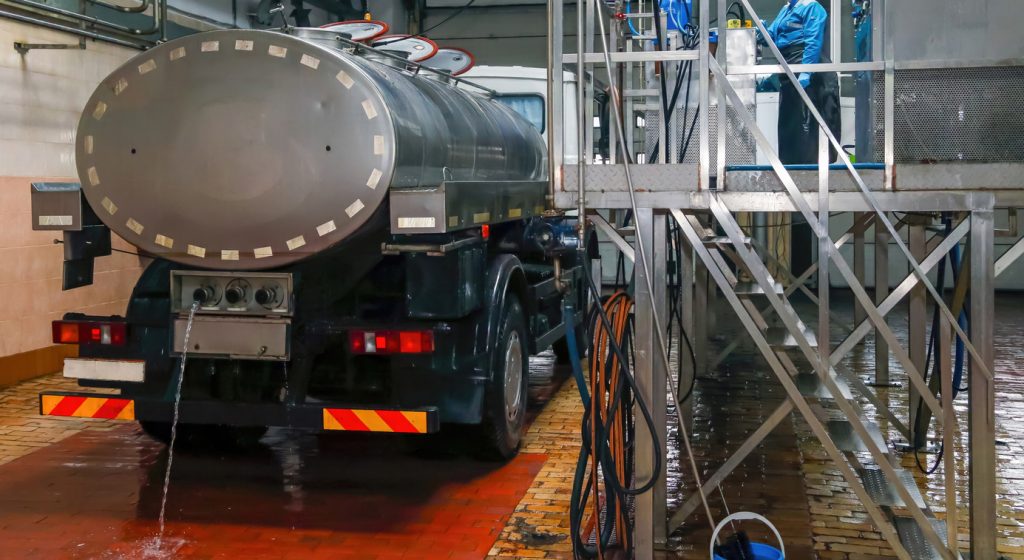
Finding a dependable LNG distribution company in Nigeria is not just about moving gas from one point to another. It involves planning, safety coordination, vehicle availability, route timing, documentation, and reliable delivery support, especially when businesses cannot afford supply delays.
Across Nigeria, more factories, hotels, estates, restaurants, power users, and industrial sites are turning to liquefied natural gas because it can be cleaner, more efficient, and easier to manage than some traditional fuel options. But the real challenge is distribution. If the logistics are poorly handled, customers may face late supply, unsafe handling, unexpected costs, or production downtime.
That is where proper transport and logistics coordination becomes important.
What LNG Distribution Usually Involves in Nigeria
LNG distribution requires more than booking a truck. Depending on the customer’s location and gas volume, the process may involve:
- Pickup coordination from an approved supply point
- Suitable transport arrangement
- Route planning for interstate or city delivery
- Delivery scheduling around business operating hours
- Driver communication and trip monitoring
- Site access coordination
- Safety-conscious handling support
For example, moving LNG-related cargo or equipment from Lagos to Ogun, Abuja, Port Harcourt, Kano, or industrial areas around Agbara and Ikeja requires different planning from a short delivery within Lekki or Victoria Island.
A serious LNG logistics arrangement must consider road conditions, traffic delays, loading time, receiving-site readiness, and possible checkpoint delays.
Common Problems Businesses Face With Gas Logistics
Many Nigerian businesses do not struggle because they cannot find gas suppliers. They struggle because delivery coordination is weak.
Common issues include:
- Trucks arriving late
- Poor communication between dispatch and receiving teams
- No backup transport plan
- Inaccurate delivery timing
- Difficulty coordinating interstate movement
- Unclear delivery charges
- Lack of proper logistics documentation
For a hotel in Abuja, a restaurant chain in Lagos, or a factory in Ogun State, one delayed delivery can affect operations. Production may slow down, generators may stop running efficiently, or customers may be affected.
This is why businesses searching for an LNG distribution company in Nigeria should also pay attention to the logistics company behind the movement.
How Travo.ng Supports LNG and Energy Logistics
Travo.ng helps businesses coordinate practical logistics, transport, and delivery support across Nigeria. While LNG movement requires safety and compliance from approved gas handlers, Travo.ng can support the transport planning side by helping customers arrange reliable logistics coordination, cargo movement, delivery scheduling, and business transport support.
This can be useful for:
- Industrial delivery coordination
- Gas-related equipment movement
- Interstate cargo logistics
- Business supply runs
- Vehicle hire for operational teams
- Airport pickups for visiting project staff
- Hotel reservations for energy and logistics teams
- Relocation or site support movement
For companies managing energy projects, the need is often wider than one delivery. A team may need hotel booking in Port Harcourt, airport pickup in Abuja, vehicle hire in Lagos, and cargo movement to a project site. Travo.ng brings these related services into one practical support system.
Routes and Locations That Need Careful Planning
Some routes in Nigeria require extra attention because of traffic, distance, or business urgency.
Lagos to Ogun industrial areas may look short on paper, but Apapa traffic, Mile 2 delays, and Lagos-Ibadan Expressway congestion can affect timing.
Lagos to Abuja deliveries need better scheduling because of distance, road conditions, overnight movement decisions, and receiving-site coordination.
Port Harcourt, Warri, and Onne routes may involve industrial and oil-sector logistics needs, so documentation and vehicle readiness matter.
Northern routes such as Abuja to Kaduna or Kano require realistic delivery windows and proper communication with the receiving team.
Good logistics planning prevents confusion before the truck even leaves.
What to Ask Before Choosing a Distribution Partner
Before working with any LNG distribution company in Nigeria, ask practical questions:
- Can they explain the delivery process clearly?
- Do they understand Nigerian road and traffic realities?
- Can they coordinate vehicle movement and timing properly?
- Are costs explained before the job starts?
- Is there communication throughout the delivery?
- Can they support related logistics needs if the project expands?
A good provider should not only promise fast delivery. They should help you understand what is realistic based on location, route, volume, timing, and operational requirements.
Why Businesses Prefer Coordinated Logistics Support
For many companies, the best solution is not just a supplier or a transporter. It is a coordinated logistics partner that understands how Nigerian movement works.
Travo.ng gives businesses a practical way to arrange transport, cargo logistics, delivery services, travel bookings, vehicle hire, airport pickups, and hotel reservations where needed. This is especially helpful for companies managing projects across multiple Nigerian cities.
When gas supply, staff movement, cargo delivery, and accommodation planning all need to happen around the same project, coordination saves time and reduces mistakes.
Book LNG Logistics Support With Travo.ng
If you are looking for an LNG distribution company in Nigeria or need support with gas-related transport coordination, Travo.ng can help you plan the movement properly.
From cargo logistics and business delivery support to vehicle hire, travel bookings, and project transport coordination, Travo.ng provides practical services for companies that need dependable movement across Nigeria.
For businesses, the goal is simple: safe coordination, realistic timing, clear communication, and logistics that support daily operations without unnecessary stress.
