


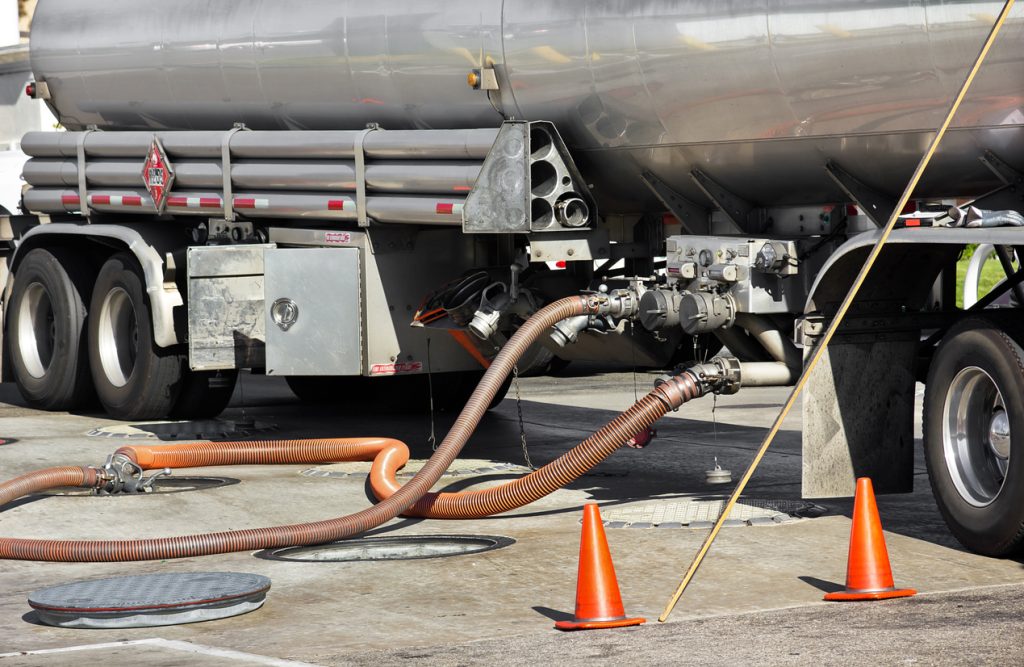
Haulage companies depend on trucks to move goods between warehouses, businesses, construction sites, ports and other destinations. With vehicles covering long distances regularly, a dependable fuel supply is essential for keeping haulage operations moving and reducing delays caused by fuel shortages.
Diesel Supply for Haulage Companies
Many heavy-duty haulage trucks use diesel, making regular diesel replenishment an important part of fleet management. Businesses can organise fuel supply around their fleet size, routes, mileage and expected workload.
Depending on availability, haulage operators can arrange:
- Bulk diesel supply
- Scheduled fuel delivery
- Depot fuel replenishment
- One-time diesel delivery
- Emergency fuel delivery
Availability depends on the delivery location, quantity required, supplier capacity and vehicle availability.
Bulk Fuel for Haulage Fleets
Large haulage fleets can consume substantial quantities of diesel. Bulk delivery to a suitable depot or yard can make fuel procurement easier and reduce the need for frequent individual purchases.
Before arranging a bulk delivery, operators should confirm the required quantity and ensure their storage facilities are suitable for receiving the fuel safely.
Scheduled Haulage Fuel Delivery
Haulage companies with regular routes can plan fuel replenishment around dispatch schedules. Scheduled delivery can help fleet managers maintain adequate fuel availability without waiting until supplies become critically low.
Fuel requirements should be reviewed as routes, truck numbers, workloads and operating schedules change.
Emergency Fuel for Haulage Operations
Unexpected fuel shortages can delay trucks and affect delivery schedules. Emergency diesel delivery may be available when a haulage company needs urgent replenishment.
Availability depends on factors such as location, required quantity, supplier capacity, vehicle availability and road access.
Managing Fuel Consumption
Fuel management is important for haulage businesses because trucks may travel long distances and operate under different loads and road conditions.
Fleet managers can track fuel consumption alongside mileage, routes, vehicle assignments and operating hours. Reviewing these records can help identify unusual usage and improve future fuel planning.
Fuel Delivery to Haulage Depots
Companies operating from a central depot can arrange eligible fuel deliveries directly to their premises. The depot should have suitable access for the delivery vehicle and appropriate arrangements for receiving and storing fuel.
Fuel should be handled by responsible personnel using suitable equipment and safety procedures.
Why Choose Travo.ng?
Travo.ng can coordinate eligible fuel delivery and logistics for haulage companies based on their location and requirements.
Operators can provide their delivery location, required quantity and preferred schedule so available supply and delivery arrangements can be confirmed. This can support regular fleet replenishment as well as urgent fuel requirements where available.
Keeping Haulage Fleets Moving
A practical haulage fuel plan should consider fleet size, truck type, average fuel consumption, route distances, expected workloads and available storage capacity.
By monitoring fuel usage and arranging replenishment ahead of shortages, haulage businesses can reduce avoidable downtime and keep trucks better prepared for scheduled deliveries.
