


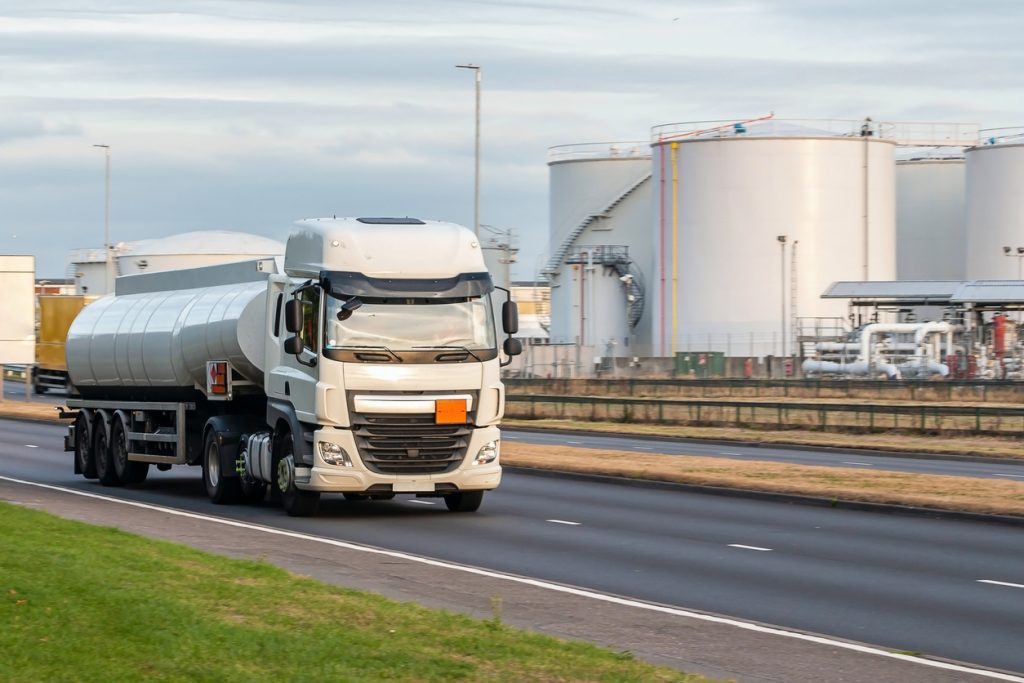
Moving fuel across Nigeria is not the same as moving ordinary cargo. Petrol, diesel, aviation fuel, LPG, and industrial fuel products require tighter planning because one small mistake can lead to serious financial loss, product contamination, vehicle breakdown, fire risk, or regulatory trouble.
That is why fuel transport risk management in Nigeria is now a major concern for oil marketers, construction companies, factories, farms, logistics firms, hotels, and businesses that depend on steady fuel supply.
At Travo.ng, we understand that fuel movement is not just about finding a tanker or truck. It is about planning the route, checking the vehicle, coordinating drivers, managing documentation, and making sure the product gets to the destination safely.
What Makes Fuel Transport Risky in Nigeria
Fuel logistics in Nigeria comes with real operational challenges. A tanker moving from Lagos to Abuja, Port Harcourt to Enugu, or Warri to Kaduna may face bad road sections, traffic delays, security concerns, vehicle faults, loading delays, and unpredictable weather.
Some common risks include:
- Road accidents involving tankers
- Product leakage during transit
- Poorly maintained trucks
- Driver fatigue on long-distance routes
- Wrong discharge at delivery points
- Fuel theft or shortage claims
- Delays caused by checkpoints or road repairs
- Fire hazards during loading or offloading
For businesses, these risks can affect operations quickly. A hotel that runs out of diesel, a construction site waiting for fuel, or a factory depending on generators cannot afford careless transport planning.
How Proper Planning Reduces Fuel Delivery Problems
Good fuel logistics starts before the truck leaves the depot. The vehicle must be suitable for the product, the driver must understand the route, and the delivery point must be ready to receive the fuel.
For example, moving diesel from Apapa to Ikeja is different from sending fuel from Lagos to Kano. Short city deliveries may face traffic and access issues, while interstate fuel transport needs stronger route monitoring, driver coordination, and emergency planning.
A proper risk management process should cover:
- Tanker inspection before loading
- Driver verification and experience check
- Route selection based on road condition
- Delivery timing to avoid unnecessary delays
- Clear communication with the receiver
- Safe offloading procedure
- Documentation of quantity and delivery status
These steps may look simple, but they prevent many of the disputes and losses that happen in fuel logistics.
Cost and Timing Expectations for Fuel Movement
Fuel transport pricing in Nigeria depends on distance, product type, truck capacity, road condition, loading point, delivery location, and urgency.
A short diesel delivery within Lagos may be arranged faster, especially for hotels, estates, offices, or event centres. Interstate fuel movement, such as Lagos to Abuja or Port Harcourt to Northern Nigeria, usually requires more planning because of distance, security checks, driver rest periods, and road conditions.
Businesses should avoid booking fuel transport at the last minute. During festive periods, fuel scarcity, port congestion, or heavy rainy season delays, prices and timelines can change quickly.
Mistakes Businesses Make When Moving Fuel
Many delivery problems happen because customers focus only on price. Cheap transport can become expensive if the truck breaks down, the driver is unreliable, or the product arrives short.
Common mistakes include:
- Using unverified tanker operators
- Not confirming the truck condition
- Failing to document loaded quantity
- Ignoring insurance and safety checks
- Sending fuel without clear delivery contact
- Booking too late during peak demand
- Choosing routes without checking road conditions
For sensitive products like fuel, the cheapest option is not always the safest option.
How Travo.ng Supports Safer Fuel Logistics
Travo.ng helps businesses coordinate fuel logistics with a practical understanding of Nigerian transport realities. Whether you need diesel delivery support, tanker coordination, cargo logistics, business delivery planning, or transport support across Nigerian cities, the goal is to reduce avoidable risk.
Depending on the customer’s need, Travo.ng can support with transport coordination, logistics planning, vehicle sourcing, delivery scheduling, and movement tracking. This is useful for companies that do not want to waste time calling random operators or managing unreliable transport arrangements.
Fuel movement works better when handled by people who understand Nigerian routes, timing, and delivery pressure.
When to Book Fuel Transport Support
You should consider professional logistics support if you are moving fuel for:
- Hotels and serviced apartments
- Construction sites
- Factories and warehouses
- Farms and industrial facilities
- Telecom or generator-powered sites
- Bulk fuel supply businesses
- Events and temporary power needs
Good fuel transport risk management in Nigeria is about preventing problems before they happen. With the right planning and reliable logistics coordination, businesses can move fuel more safely, reduce delays, and protect their operations.
For businesses that need dependable fuel transport, cargo logistics, courier support, delivery services, vehicle hire, or wider transport coordination, Travo.ng provides a practical way to book and manage movement across Nigeria.
