


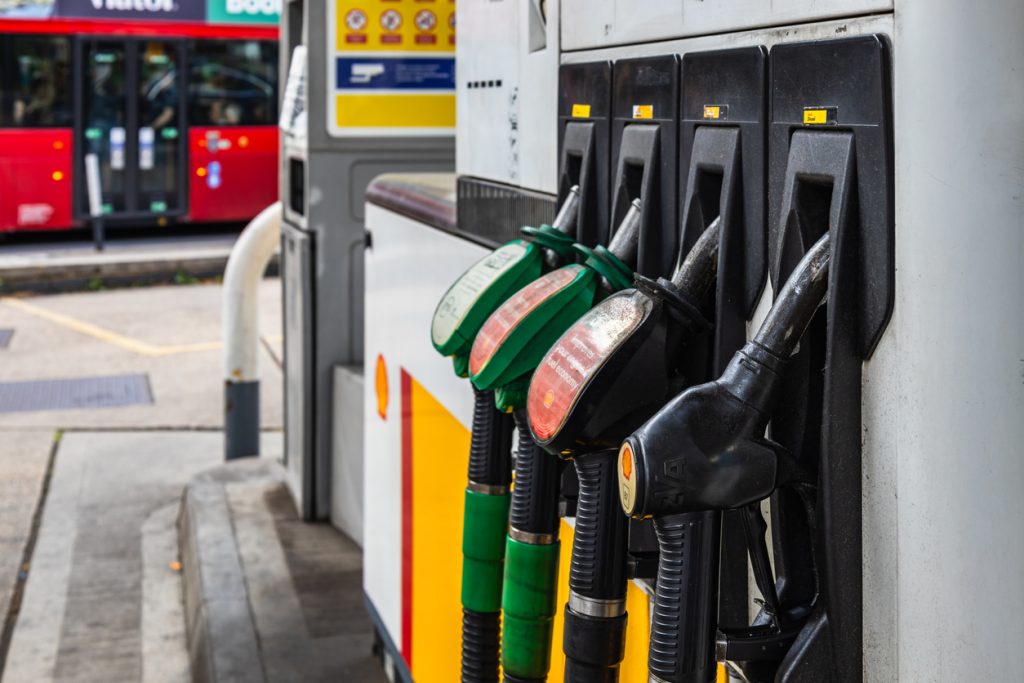
A fuel marketplace in Nigeria connects fuel buyers with suppliers, filling stations and other petroleum businesses through a digital platform. Instead of contacting multiple suppliers individually, businesses can use a marketplace to discover fuel options, compare offers and organise procurement.
This model is becoming more relevant as fuel technology platforms introduce digital procurement, price comparison and supplier matching for Nigerian customers.
How a fuel marketplace works
A typical fuel marketplace brings buyers and sellers together in one digital environment. Depending on the platform, buyers may be able to search for available products, submit bulk requests, compare supplier offers and arrange delivery.
Some Nigerian platforms already provide marketplace-style services. Fuely, for example, describes a bulk fuel marketplace where businesses can submit requests containing quantity, budget, location and delivery timelines, then receive offers from verified suppliers. (LinkedIn)
Other platforms focus more on connecting customers with stations and allowing them to compare fuel availability and prices. (VEO Energy)
What can you buy through a fuel marketplace?
The products available depend on the platform and its participating suppliers. Common categories can include:
- Petrol
- Diesel
- Kerosene
- Gas
- Lubricants
- Other petroleum products
For businesses, bulk diesel procurement can be particularly useful for generators, trucks, construction equipment, farms and industrial operations.
Fuel marketplace for bulk buyers
Large fuel users often need more than a simple filling station purchase. A hotel may need regular diesel for generators, while a logistics company may require fuel for a large fleet.
A marketplace can simplify the procurement process by allowing the buyer to specify the quantity, location and required delivery timeframe. Suppliers can then respond with their available terms.
This can reduce the need to contact suppliers individually and manually compare every quotation.
Comparing fuel prices and suppliers
Price visibility is another important part of a digital fuel marketplace. Some Nigerian platforms allow users to compare fuel prices across stations or suppliers before deciding where to buy. (VEO Energy)
For businesses, however, price should be considered alongside delivery location, quantity, timing, supplier reliability and applicable delivery costs.
A cheaper price per litre may not result in a lower overall cost if transportation or delivery arrangements are significantly more expensive.
Digital fuel procurement for businesses
A fuel marketplace can also create a record of procurement activity. Businesses can keep information about quantities ordered, supplier offers, delivery locations and transaction costs.
When these records are combined with fuel consumption tracking, managers can better understand how much their vehicles, generators or equipment cost to operate.
Platforms such as FillUp also demonstrate how digital fuel technology can provide businesses with transaction tracking, fleet management, fuel cards and reporting tools. (FillUp)
How Travo.ng Can Support Fuel Marketplace Logistics
Travo.ng can support the transportation and logistics side of fuel-related business operations where supplies, equipment or other cargo need to be moved between locations.
For businesses purchasing fuel through digital platforms, transportation coordination may still be required around warehouses, offices, project sites or other operational locations.
Travo.ng can support related logistics and transportation arrangements, helping businesses coordinate movement around planned delivery schedules.
What to check before using a fuel marketplace
Before choosing a fuel marketplace, businesses should check whether it has suppliers covering their location and whether it supports the quantity and fuel type required.
It is also important to review:
- Supplier verification
- Fuel product information
- Delivery arrangements
- Pricing and additional charges
- Payment options
- Order records
- Customer support
- Delivery timelines
For large purchases, businesses should also ensure that the receiving location is prepared before the delivery arrives.
The future of fuel marketplaces in Nigeria
Digital fuel marketplaces are moving fuel procurement beyond traditional phone calls and manual supplier searches. Platforms are increasingly combining supplier discovery, price information, digital payments, procurement requests and delivery coordination.
For Nigerian businesses, the practical value is having more information available when making fuel purchasing decisions. When combined with accurate consumption data and reliable logistics, a fuel marketplace can become part of a more organised procurement process.
