


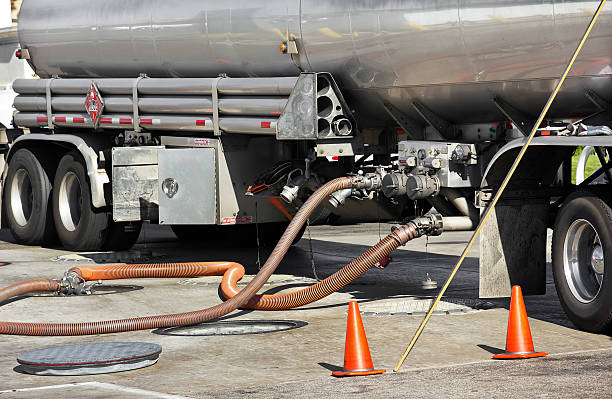
Businesses do not always operate close to a filling station or fuel depot. Construction sites, farms, offices, estates, hotels, factories and fleet depots can be located in different parts of a city or far from convenient refuelling points.
Fuel delivered anywhere means having fuel supply coordinated directly to the location where it is required, subject to delivery access, supplier coverage and applicable safety requirements.
Who Needs Fuel Delivered to Their Location?
Direct fuel delivery can be useful for:
- Offices and commercial buildings
- Hotels and guest houses
- Hospitals
- Residential estates
- Factories and warehouses
- Construction sites
- Farms and agricultural operations
- Transport and logistics companies
- Fleet and haulage operators
The required fuel type and quantity will depend on the equipment or vehicles being supplied.
Diesel Delivery to Remote Locations
Construction and industrial operations may work from locations where regular access to fuel stations is inconvenient. Having diesel delivered to an approved storage or operating point can reduce unnecessary trips by workers and equipment.
For remote deliveries, the supplier needs accurate location information and suitable access for the delivery vehicle. Road conditions and distance can also affect delivery timing and cost.
Bulk Fuel Delivery
Businesses with high consumption can arrange bulk fuel deliveries based on their storage capacity and operating requirements.
Before ordering, confirm the quantity required, storage capacity and delivery arrangements. Larger deliveries may require additional coordination to ensure the receiving site is prepared.
Fuel Delivery for Fleets
Fleet operators can arrange fuel logistics around their depots or other suitable operating locations. This can reduce the time vehicles spend making unnecessary refuelling trips.
Fuel managers should keep records of quantities supplied, delivery dates and vehicle consumption to maintain better control over fleet fuel expenses.
Emergency Fuel Delivery
Unexpected shortages can affect businesses that depend on generators or fuel-powered equipment. Emergency delivery may help when a facility is running low and cannot wait for its next scheduled supply.
However, same-day or urgent delivery depends on supplier availability, order size, location, traffic and road conditions.
What to Provide When Ordering
To arrange fuel delivery efficiently, provide:
- Exact delivery location
- Fuel type
- Required quantity
- Preferred delivery time
- Contact person
- Site access information
- Storage or receiving arrangements
Accurate information helps the supplier or logistics provider plan the delivery properly.
How Travo.ng Can Support Fuel Logistics
Travo.ng can coordinate eligible fuel delivery and transportation logistics for businesses that need fuel moved to their operating locations.
Customers can provide their location, required quantity and preferred delivery timeframe so the appropriate supply and transportation arrangements can be confirmed.
This can support scheduled, bulk and urgent fuel logistics for businesses, fleets, estates, construction operations and other facilities.
Planning Fuel Delivery to Any Location
Before arranging delivery, check that the location is accessible to the delivery vehicle and that the receiving facility has suitable storage capacity.
For regular fuel users, tracking consumption and establishing a replenishment schedule can reduce emergency orders and make fuel costs easier to manage.
Whether the requirement is for a busy city office or a remote operating site, proper planning helps ensure fuel reaches the right place at the right time.
