


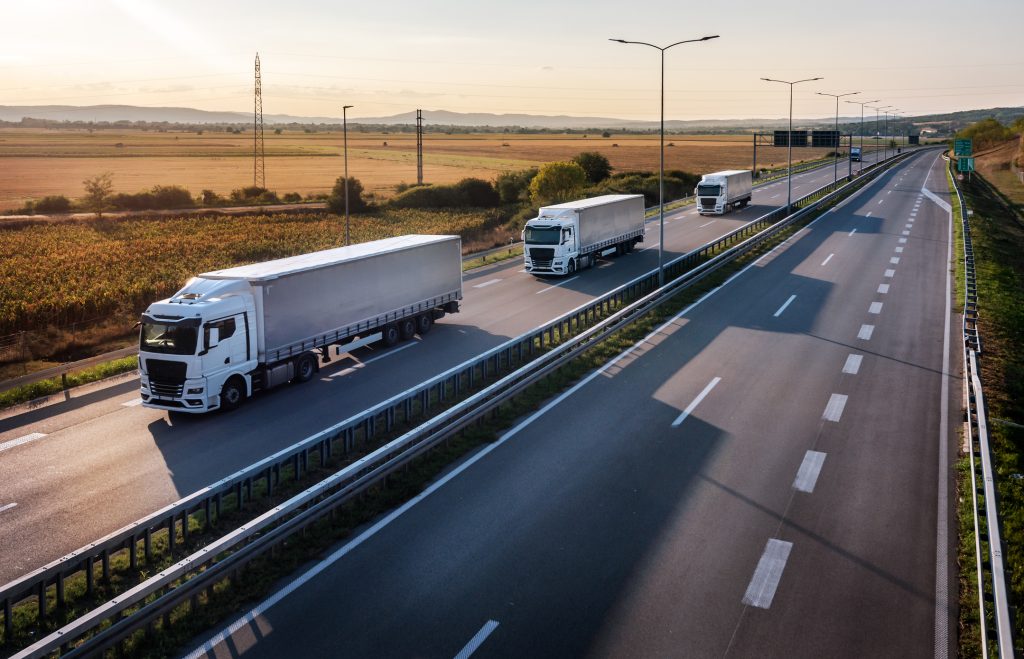
Running several vehicles across Lagos, Abuja, Port Harcourt, or other parts of the country means fuel is not just a daily expense. It is an operational requirement. A dependable fleet fueling solution in Nigeria helps businesses keep vehicles moving without wasting productive hours searching for filling stations or dealing with unexpected fuel shortages.
For companies managing delivery vans, haulage trucks, staff buses, service vehicles, or construction fleets, poor fuel planning can delay an entire day’s operation. Travo.ng supports businesses with practical fuel supply and logistics coordination designed around real fleet movement.
When Fuel Problems Start Affecting Fleet Operations
A vehicle running low on fuel in the middle of an important delivery can create more problems than the cost of the fuel itself.
Consider a company operating ten delivery vans from Ikeja. If several drivers leave their routes to queue at filling stations, deliveries around Lekki, Victoria Island, Surulere, and the mainland may start arriving late. The business loses time, customers complain, and drivers may have to work additional hours.
For larger fleets, the problem becomes even more serious. Trucks moving goods between Lagos and Abuja, construction vehicles working on project sites, and company buses transporting employees all need predictable access to fuel.
A structured fleet fueling arrangement helps reduce these disruptions.
How a Fleet Fueling Solution Works in Nigeria
The exact arrangement depends on the size of the fleet and how the vehicles are used.
Some businesses prefer scheduled fuel delivery to their operating base. Others need fuel coordination for vehicles working across different locations. Companies with changing transport schedules may require more flexible arrangements.
A practical fleet fueling service may include:
- Scheduled fuel supply for company fleets
- Fuel delivery to operational locations
- Coordination for trucks and commercial vehicles
- Support for companies managing multiple vehicles
- Fuel planning around transport schedules
- Logistics coordination for businesses with active fleets
The objective is simple: vehicles should spend more time working and less time looking for fuel.
Lagos Fleet Operations Need Better Fuel Planning
Lagos presents a particular challenge because even a simple fuel stop can become a major delay.
A delivery van travelling from Ikeja to Lekki may already be dealing with congestion around Maryland, Third Mainland Bridge, or the Lekki-Epe corridor. Adding an unplanned thirty-minute or one-hour fuel stop can disrupt several deliveries.
Businesses operating fleets in areas such as Apapa, Ikeja, Victoria Island, Lekki, Yaba, and industrial parts of Lagos often benefit from planning fuel supply alongside their daily vehicle schedules.
For example, vehicles returning to a central yard in the evening can be prepared for the next day’s operation instead of drivers beginning each morning by searching for fuel.
Fuel Supply Becomes More Important With Larger Fleets
Managing fuel for three cars is very different from managing 30 trucks, buses, or delivery vehicles.
As fleet size increases, businesses need better control over:
- When vehicles are fueled
- How much fuel is required
- Where fuel should be supplied
- Which vehicles have urgent operational needs
- How fueling fits into dispatch schedules
This is particularly important for haulage companies, courier businesses, construction firms, FMCG distributors, corporate transport providers, and companies operating field service vehicles.
Good fueling coordination can also make it easier for fleet managers to plan vehicle availability and reduce unnecessary downtime.
Plan Fuel Around the Actual Work Your Vehicles Do
The best fueling schedule should match your operations rather than follow a fixed routine that does not reflect vehicle usage.
A truck making interstate deliveries may consume fuel differently from a van handling short-distance deliveries around Lagos. Staff buses operating predictable morning and evening routes may also require a different arrangement from vehicles that remain on the road throughout the day.
Businesses should consider route distance, vehicle type, expected workload, traffic conditions, and the number of active vehicles before setting a fueling schedule.
Keep Your Fleet Moving With Travo.ng
Travo.ng provides practical business logistics support for companies that need dependable transport and fleet coordination.
With a fleet fueling solution in Nigeria, businesses can organise fuel requirements around their actual operating schedules instead of reacting only when vehicles are already running low.
Travo.ng can also support related needs such as transport coordination, cargo logistics, vehicle hire, delivery operations, and other business logistics requirements.
For companies managing active fleets across Lagos and other Nigerian cities, better fuel planning means fewer avoidable delays, more predictable operations, and vehicles that are ready when the business needs them.
