


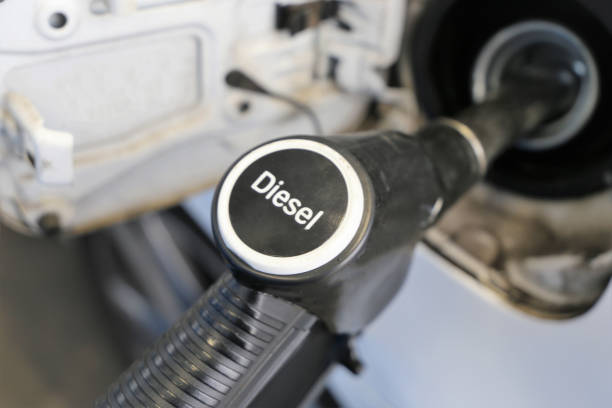
A diesel vehicle can be a practical choice for drivers who regularly travel long distances, carry heavy loads or need strong low-speed pulling power. Diesel engines are commonly found in SUVs, pickups, buses, trucks and commercial vehicles.
However, owning a diesel vehicle also means paying attention to areas such as fuel quality, oil changes, fuel filters, injectors, turbochargers and the cooling system.
What Is a Diesel Vehicle?
A diesel vehicle uses a diesel engine rather than a petrol engine. Diesel engines work through compression ignition, meaning the air is compressed to a high temperature before diesel fuel is injected.
Modern diesel vehicles may also use systems such as common-rail fuel injection, turbochargers, exhaust gas recirculation and, depending on the model, diesel particulate filters.
These systems can improve performance and efficiency but may require specialist diagnosis when problems occur.
Why Do People Choose Diesel Vehicles?
Diesel engines are particularly useful where a vehicle is expected to cover significant distances or carry heavy loads.
Some common reasons people choose diesel include:
- Strong low-end torque
- Good suitability for long-distance driving
- Ability to handle heavy loads
- Good fuel efficiency in many applications
- Durability when properly maintained
- Suitability for commercial and logistics operations
Diesel vehicles are therefore common among logistics operators, businesses, transport companies and drivers who frequently travel between Nigerian cities.
How Much Does It Cost to Maintain a Diesel Vehicle?
There is no single diesel vehicle maintenance cost because the price depends heavily on the make, model, engine, age and condition of the vehicle.
Routine servicing may include:
- Engine oil replacement
- Oil filter replacement
- Fuel filter replacement
- Air filter replacement
- Brake inspection
- Coolant inspection
- Battery testing
- Diagnostic scanning
The bill can become much higher if the vehicle develops an injector, turbocharger, fuel pump, transmission or electrical problem.
Modern common-rail diesel systems can also require specialist diagnostic equipment and trained technicians, so it is worth choosing a workshop that understands your particular engine.
Diesel Fuel Quality Matters
Fuel quality is particularly important for diesel vehicles.
Contaminated or poor-quality diesel can affect the fuel system and contribute to injector and filter problems. Drivers should buy fuel from reliable filling stations and avoid putting questionable fuel into a vehicle simply because it is cheaper.
If a diesel vehicle suddenly begins losing power, producing excessive smoke, struggling to start or consuming more fuel than usual, the fuel system should be checked rather than assuming the problem is normal.
Common Diesel Vehicle Problems
Some problems that diesel owners may encounter include:
Injector Problems
Faulty or dirty injectors can cause rough idling, poor acceleration, increased fuel consumption and excessive exhaust smoke.
Fuel Filter Problems
A blocked fuel filter can restrict fuel flow and cause poor engine performance. Regular replacement is an important part of diesel maintenance.
Turbocharger Problems
Many modern diesel vehicles use turbochargers. Whining noises, excessive smoke, poor acceleration or a noticeable loss of power can indicate that the turbocharging system needs inspection.
EGR Problems
The exhaust gas recirculation system can accumulate carbon deposits over time. A dirty or malfunctioning EGR system can affect engine performance.
Overheating
Diesel engines should not be allowed to operate while overheating. Coolant levels, hoses, radiator condition, thermostat and other cooling-system components should be checked when temperature problems occur.
How Often Should a Diesel Vehicle Be Serviced?
The correct service interval depends on the manufacturer’s specifications and the vehicle’s operating conditions.
A vehicle that spends most of its time in traffic, carries heavy loads or travels long distances may need more attention than a lightly used vehicle.
Do not wait until the vehicle develops a major fault before servicing it. Keep records of oil changes, filters, repairs and other maintenance work so you know what has already been done.
Is a Diesel Vehicle Good for Nigerian Roads?
A diesel vehicle can be well suited to Nigerian driving conditions when the vehicle is properly maintained.
It can be particularly useful for:
- Interstate travel
- Logistics operations
- Heavy-duty transportation
- Long-distance business trips
- SUV and pickup use
- Commercial fleets
However, the vehicle should be matched to how you actually drive. A diesel SUV that is mainly used for short trips around town may have different maintenance considerations from a diesel pickup regularly travelling between Lagos, Ibadan, Abuja or other cities.
What Should You Check Before Buying a Used Diesel Vehicle?
If you are considering a used diesel vehicle, do not focus only on the body and interior.
Have the vehicle inspected for:
- Engine condition
- Injector performance
- Turbocharger condition
- Fuel system
- Transmission
- Cooling system
- Oil leaks
- Exhaust smoke
- Diagnostic fault codes
- Service history
- Mileage consistency
A proper inspection can help identify expensive problems before you complete the purchase.
What If Your Diesel Vehicle Breaks Down?
A diesel vehicle that develops a serious problem should not always be driven to a workshop.
If the vehicle has overheated, lost significant power, developed a serious transmission problem or cannot start, arranging safe vehicle transport can prevent further damage.
Travo.ng can help coordinate vehicle transport and logistics when a diesel car, SUV, pickup, van or commercial vehicle needs to be moved for servicing or repairs.
Keeping a Diesel Vehicle Reliable
The best way to reduce unexpected diesel repair costs is to stay ahead of maintenance.
Use the correct engine oil, replace filters when due, monitor warning lights, pay attention to unusual smoke or sounds and use quality diesel fuel.
For businesses operating diesel vehicles, keeping proper service records and planning maintenance around delivery schedules can also reduce unexpected downtime.
A diesel vehicle can be a dependable workhorse for Nigerian roads, but its reliability depends heavily on the quality of its maintenance and the way it is used.
