


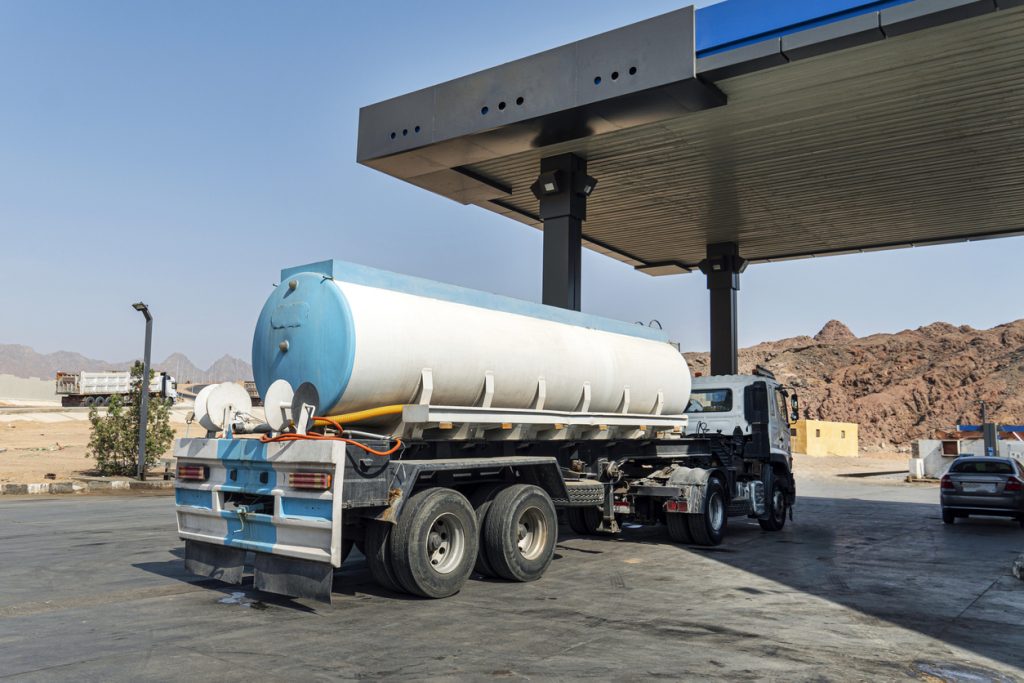
The current price of fuel in Nigeria remains one of the most important concerns for motorists, transport operators, logistics companies, businesses, and households. Petrol prices directly affect transportation costs, delivery charges, business operations, and the overall cost of living.
If you’re searching for current price of fuel in Nigeria, this guide provides the latest market information, explains what influences petrol prices, and highlights how businesses can adapt to changing fuel costs.
Current Petrol Price in Nigeria
As of July 2026, the retail price of Premium Motor Spirit (PMS) generally ranges between:
- ₦1,100 and ₦1,300 per litre at many filling stations nationwide.
- Some marketers are selling as low as ₦1,075 per litre following recent refinery price reductions, while prices in some locations remain higher depending on supply and distribution costs.
Actual pump prices vary by:
- State
- Filling station
- Independent or major marketer
- Depot pricing
- Transportation costs
Recent reductions by refiners and marketers have contributed to lower pump prices in several parts of the country.
Why Fuel Prices Change in Nigeria
Several factors influence petrol prices across Nigeria, including:
Global Crude Oil Prices
Changes in international crude oil prices affect the cost of producing refined petroleum products.
Exchange Rate
The value of the naira against foreign currencies influences fuel import costs and production expenses.
Local Refining Capacity
Increased output from local refineries can improve fuel supply and contribute to more competitive pricing. Recent adjustments by local refiners have helped reduce pump prices in some markets.
Transportation and Distribution
Fuel must be transported from depots to filling stations nationwide, and these logistics costs differ by region.
Market Competition
Competition among refiners and marketers also affects retail pump prices.
Fuel Prices Across Nigeria
Fuel prices are not identical across the country. Prices may vary in cities such as:
- Lagos
- Abuja
- Port Harcourt
- Kano
- Ibadan
- Benin City
- Enugu
- Kaduna
- Warri
- Onitsha
Regional differences are usually caused by transportation costs, depot pricing, and local supply conditions.
How Fuel Prices Affect Businesses
Petrol prices significantly influence:
- Logistics and delivery services
- Inter-state transportation
- Manufacturing
- Agriculture
- Construction
- Retail businesses
- E-commerce
- Hospitality
Higher fuel costs often result in increased transport fares and delivery charges.
Tips for Managing Fuel Costs
Businesses and vehicle owners can help reduce fuel expenses by:
- Monitoring fuel price trends
- Planning efficient travel routes
- Maintaining vehicles regularly
- Reducing unnecessary trips
- Purchasing fuel from reputable stations
- Tracking fleet fuel consumption
These strategies can improve efficiency and lower operating costs.
How Travo.ng Supports Businesses
Travo.ng provides dependable transportation and logistics services across Nigeria, including:
- Nationwide pickup and delivery
- Inter-state transportation
- Business logistics
- Last-mile delivery
- Cargo transportation
- Corporate mobility solutions
- Vehicle hire services
As fuel prices fluctuate, Travo.ng helps businesses optimize transportation and logistics through reliable and efficient services.
Why Choose Travo.ng?
Businesses and individuals choose Travo.ng because of its:
- Nationwide logistics coverage
- Reliable transportation network
- Professional service delivery
- Business-focused logistics solutions
- Flexible transport services
- Customer-focused support
Travo.ng is committed to helping customers move goods and people efficiently across Nigeria.
Conclusion
The current price of fuel in Nigeria continues to influence transportation, logistics, and business operations nationwide. While petrol prices fluctuate due to global oil markets, exchange rates, refining capacity, and distribution costs, staying informed allows businesses and individuals to plan more effectively.
Whether you’re managing a fleet, operating a business, or planning inter-state travel, monitoring fuel prices can help you make smarter transportation decisions.
