


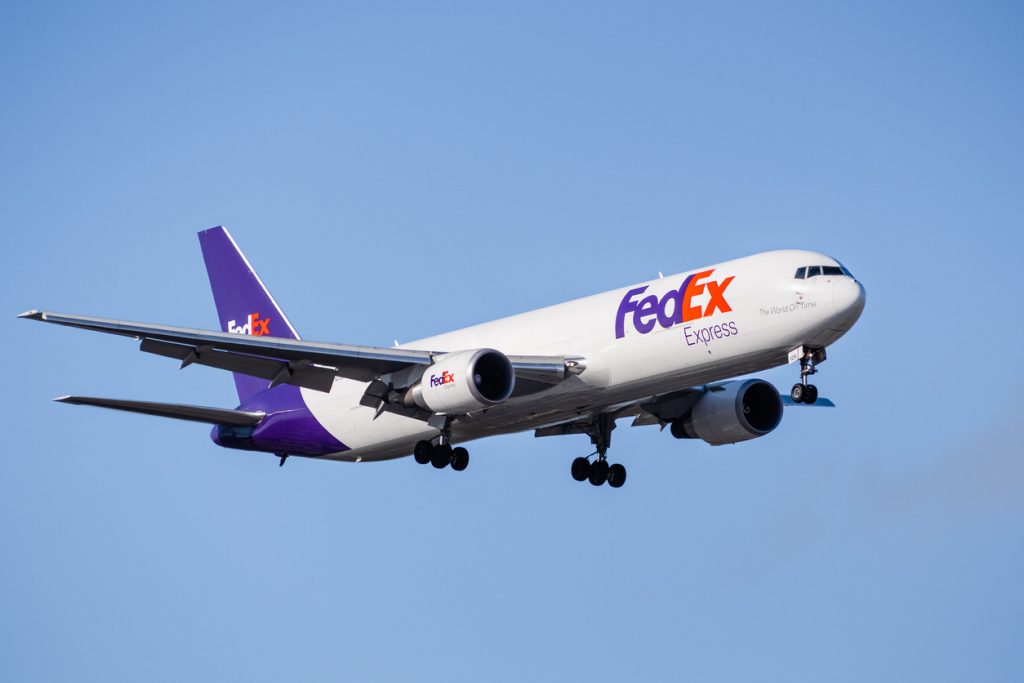
Aircraft turnaround performance in Africa is closely connected to airport efficiency, airline punctuality and the overall reliability of ground operations. A turnaround covers the activities between an aircraft arriving at its stand and departing for its next flight, involving airlines, airports, ground handlers and several other service providers. (ACI Standards)
During this period, passengers may disembark and board, baggage and cargo are unloaded and loaded, the aircraft is cleaned, fuel and catering services are provided, technical checks are completed and ground equipment is positioned for departure.
When these activities are well coordinated, an aircraft can leave within its planned ground time. When one activity falls behind, the delay can affect the entire turnaround and potentially subsequent flights.
What Determines Aircraft Turnaround Performance?
Turnaround performance is influenced by several activities happening at the same time.
Important factors include:
- Aircraft arrival and stand availability
- Passenger boarding and disembarkation
- Baggage loading and unloading
- Cargo handling
- Aircraft cleaning
- Catering
- Fuelling
- Ground support equipment availability
- Maintenance requirements
- Crew readiness
- Load control and documentation
- Pushback coordination
- Weather and apron conditions
IATA identifies untimely ground handling, missing passengers and aircraft ground damage among common causes of turnaround delays. It also emphasises standardised procedures, communication and properly maintained GSE as ways of improving turnaround efficiency. (IATA)
Why Turnaround Performance Matters at African Airports
A delayed turnaround does not necessarily affect only one flight.
If an aircraft is scheduled to operate several sectors during the day, a delay during its first turnaround can affect its next departure and potentially later flights.
This is particularly important for airlines operating short-haul and regional networks where aircraft may complete multiple sectors within a day.
Better turnaround performance can therefore help airlines make more effective use of aircraft, reduce avoidable ground delays and improve schedule reliability.
Ground Handling Delays
Ground handling is one of the most important parts of the turnaround process.
Different teams may be responsible for passenger services, baggage, cargo, ramp activities, cleaning, catering and other aircraft services. If one team arrives late or cannot complete its work on schedule, another activity may have to wait.
For example, baggage loading cannot always be completed until the required baggage has reached the aircraft. Boarding may also be affected if cabin preparation is incomplete.
IATA notes that standardised ground handling procedures can reduce operational complexity, improve personnel competency and support more efficient turnarounds. (IATA)
Ground Support Equipment Availability
GSE has to be available at the right aircraft stand and at the right time.
Equipment can include:
- Baggage tractors
- Belt loaders
- Passenger stairs
- Pushback tractors
- Ground power units
- Catering vehicles
- Cargo loaders
- Water and lavatory service equipment
A shortage or breakdown can force ground teams to wait for another unit. Even when equipment is available, poor allocation can cause delays if it is positioned at another part of the airport.
Maintenance is therefore part of turnaround performance. IATA recommends reliable equipment, trained operators and properly planned GSE maintenance programmes as part of efficient ground operations. (IATA)
Aircraft Stand Allocation and Apron Congestion
An aircraft cannot begin its full turnaround process until it reaches a suitable stand.
At busy airports, several aircraft may arrive within a short period, creating pressure on available parking positions. A delayed departure can keep a stand occupied and leave an incoming aircraft waiting for another position.
Apron congestion can also make it harder for GSE and service vehicles to reach aircraft efficiently.
This means turnaround performance is connected to stand planning. Airports need to consider aircraft type, expected arrival time, turnaround duration, passenger facilities and the availability of ground services when assigning stands.
Staffing and Ground Crew Performance
Ground operations depend on having enough trained personnel available when aircraft arrive.
A shortage of ramp agents, baggage personnel, equipment operators or other ground staff can slow individual turnaround activities.
However, simply adding more personnel does not automatically solve the problem. Teams need clearly defined responsibilities, appropriate training and effective coordination.
IATA identifies staff competency and standardised training as important benefits of common ground operations standards. (IATA)
For African airports dealing with workforce constraints, workforce planning should therefore consider both staffing numbers and the skills required during peak operating periods.
Communication Between Turnaround Teams
Aircraft turnaround involves many separate tasks, but they are connected.
A turnaround coordinator or operations team needs to know when critical activities start and finish. If fuelling is delayed, for example, the information may affect other activities and the expected departure time.
Poor communication can leave one team waiting for another without a clear understanding of the reason for the delay.
IATA’s A-CDM guidance highlights the importance of structured interaction between stakeholders and accurate information about turnaround activities, including resource allocation for fuelling, catering, cleaning, cargo, baggage and passenger transportation. (IATA)
Measuring Aircraft Turnaround Performance
Airports and airlines need measurable indicators to understand where turnaround performance is improving or deteriorating.
Useful measurements can include:
- Planned versus actual turnaround time
- On-block to off-block time
- Ground handling delay minutes
- Baggage handling completion time
- GSE availability
- Pushback readiness
- Aircraft stand occupancy
- Number of turnaround-related delays
- Ground damage incidents
- Percentage of flights departing within the planned turnaround window
On-time performance is commonly measured using actual aircraft movement times against scheduled times, with a 15-minute threshold used in the IATA benchmark referenced by Airports Company South Africa. (Airports)
Looking at individual turnaround timestamps can provide more useful information than simply recording whether a flight was late.
Weather and Airport Infrastructure
Weather can disrupt otherwise well-planned turnarounds.
Heavy rainfall, thunderstorms, strong winds and poor visibility can affect aircraft movements and the work of ramp personnel. Waterlogged or restricted operational areas can also slow the movement of vehicles and equipment.
Infrastructure can create longer-term constraints. Limited stands, congested aprons, poor service roads, inadequate GSE staging areas and ageing equipment can all affect the speed at which ground teams complete their work.
African airports therefore need to consider turnaround performance when planning improvements to aprons, stands, terminals and ground handling infrastructure.
Safety Should Not Be Sacrificed for Speed
Improving turnaround performance does not mean rushing ground crews.
Unsafe GSE movements, poorly positioned equipment or shortcuts in aircraft servicing can create incidents that ultimately cause much longer delays.
ACI Africa’s FOD guidance, for example, identifies the potential for debris around aprons and turnaround activities to cause tyre damage, engine ingestion, equipment damage and flight delays. (ACI Africa)
The objective should therefore be to remove unnecessary waiting and inefficiency while maintaining required safety procedures.
Using Technology to Improve Turnaround Performance
Digital systems can help airport and airline teams understand what is happening around an aircraft in real time.
Technology can support:
- Turnaround milestone tracking
- GSE location monitoring
- Stand management
- Resource allocation
- Digital safety reporting
- Baggage tracking
- Automated operational alerts
- Performance analysis
IATA is also exploring AI-supported turnaround management and structured turnaround timestamps to improve visibility across ground operations. Its current ground-operations work highlights asset tracking and resource monitoring as ways to create a more complete operational picture. (IATA)
The most useful technology is not necessarily the most complicated. It should help teams identify problems early enough to act.
Practical Ways to Improve Turnaround Performance in Africa
Airports and ground handlers can improve performance by focusing on the points where time is repeatedly lost.
Practical measures include:
- Analyse actual turnaround timestamps rather than relying only on scheduled times.
- Identify the services responsible for recurring delays.
- Maintain critical GSE properly.
- Position equipment before aircraft arrival.
- Improve aircraft stand allocation.
- Strengthen communication between ground teams.
- Provide recurrent training for ground personnel.
- Monitor staffing levels during peak periods.
- Introduce digital turnaround monitoring where appropriate.
- Review delays after each operational period and address recurring causes.
Standardisation is particularly useful because it gives different teams a consistent process to follow while making performance easier to measure.
How Travo.ng Can Support Aviation Travel and Logistics
Travo.ng does not manage aircraft turnarounds or provide specialist ramp handling services. Its role is to support the travel and logistics requirements surrounding aviation operations.
For example, an airline, ground handling company, maintenance contractor or aviation project may have personnel travelling between Lagos, Abuja and other locations. Travo.ng can help coordinate travel bookings, airport pickups, hotel reservations and vehicle hire for these teams.
If an operational delay changes when a team will arrive at an airport, surrounding transportation and accommodation arrangements can also be adjusted to match the new schedule.
For aviation businesses moving permitted documents or items outside restricted airport areas, relevant delivery and logistics support can also be coordinated.
This allows specialist aviation teams to concentrate on aircraft and ground operations while Travo.ng supports the travel and mobility requirements around those activities.
Improving Turnaround Performance Over Time
Aircraft turnaround performance is ultimately a coordination challenge. Airlines, airports, ground handlers, maintenance teams and other service providers all contribute to the time an aircraft spends on the ground.
African airports can improve performance by identifying recurring bottlenecks rather than treating every delay as an isolated event. Better GSE availability, stand planning, staff training, communication, safety practices and operational data can all contribute to more predictable turnarounds.
The goal is not simply to make aircraft leave the stand faster. It is to create a reliable process where every required activity is completed safely, on time and with fewer avoidable interruptions.
