


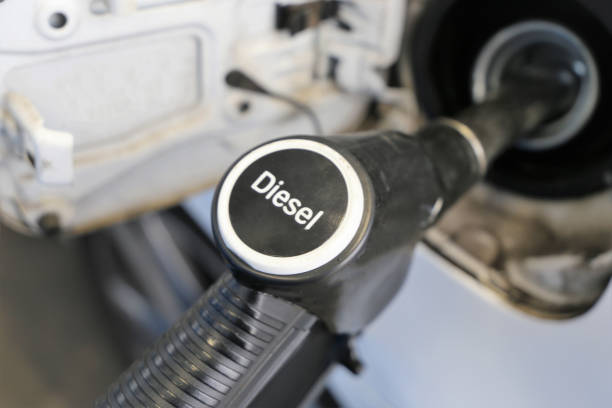
Finding the best diesel supplier in Nigeria depends on what you need the diesel for, how much you require and where it needs to be delivered. A business buying 5,000 litres for a generator has different requirements from a factory, hotel, construction company or fleet operator ordering tens of thousands of litres.
A good diesel supplier should be able to provide the required quantity, deliver to the right location, maintain consistent product quality and provide clear documentation for each transaction.
What to Look for in a Diesel Supplier
Before choosing a diesel supplier in Nigeria, check several practical factors:
- Diesel quality and applicable specifications
- Delivery capacity and coverage area
- Availability of metered delivery trucks
- Ability to handle bulk orders
- Delivery scheduling and turnaround time
- Quality documentation or certificates where required
- Transparent pricing and invoicing
- Experience supplying businesses with similar requirements
For large commercial purchases, it is also useful to confirm the supplier’s regulatory and operational credentials rather than choosing based only on the cheapest quoted price.
Diesel Supply for Businesses
Diesel is widely used to power generators and equipment across Nigerian businesses. Offices, hotels, hospitals, factories, schools, telecom facilities, warehouses and construction sites may require regular AGO deliveries.
A business with predictable consumption can establish a scheduled supply arrangement. This makes it easier to monitor fuel levels and reduces the chance of running out during an important operating period.
Bulk Diesel Supply in Nigeria
Large facilities may require bulk deliveries ranging from several thousand litres to full tanker loads. The appropriate quantity depends on available storage capacity and actual consumption.
For example, a facility ordering 10,000 litres should first confirm that its storage system can safely receive that quantity. Larger industrial operations may require significantly higher volumes and more structured supply arrangements.
Diesel Delivery Across Nigerian Cities
Diesel suppliers operate across different parts of Nigeria, but delivery capability varies by supplier and location.
Major commercial and industrial areas such as Lagos, Abuja, Port Harcourt, Kano and other major cities have businesses that require regular diesel supply. Remote construction sites, industrial facilities and offshore operations may require additional transportation and logistics planning.
Delivery timing can also be affected by road conditions, traffic, distance from the supply point and the quantity being transported.
How to Check Diesel Quality
Price should not be the only consideration when purchasing diesel. Businesses should ask about the product specification and documentation available for the particular batch.
For large or recurring purchases, quality certificates and delivery records can help businesses maintain proper fuel records and investigate any unexpected changes in generator or equipment performance.
Emergency Diesel Supply
Some businesses cannot wait several days for their next scheduled delivery. Hospitals, hotels, data facilities, factories and other critical operations may require emergency diesel when existing reserves become low.
Having a supplier or logistics partner that can coordinate urgent deliveries can help businesses respond to unexpected fuel shortages, subject to availability and location.
How Travo.ng Can Help With Diesel Logistics
Travo.ng can support businesses with eligible diesel delivery and transportation logistics in Nigeria. Customers can provide the required quantity, delivery location and preferred timeframe so the appropriate supply and logistics arrangements can be coordinated.
This can be useful for offices, hotels, hospitals, construction sites, commercial facilities and other businesses that need one-time, scheduled or urgent fuel deliveries.
Choosing a Diesel Supplier for Your Business
Instead of choosing a supplier simply because they advertise themselves as the “best diesel supplier in Nigeria,” compare the factors that matter to your operation.
Check the supplier’s delivery coverage, available quantities, fuel documentation, pricing, metering process and ability to meet your schedule. For recurring requirements, also consider whether the supplier can maintain consistent deliveries as your consumption changes.
The right choice should be based on your location, fuel requirements, operational needs and the supplier’s ability to meet those requirements reliably.
