


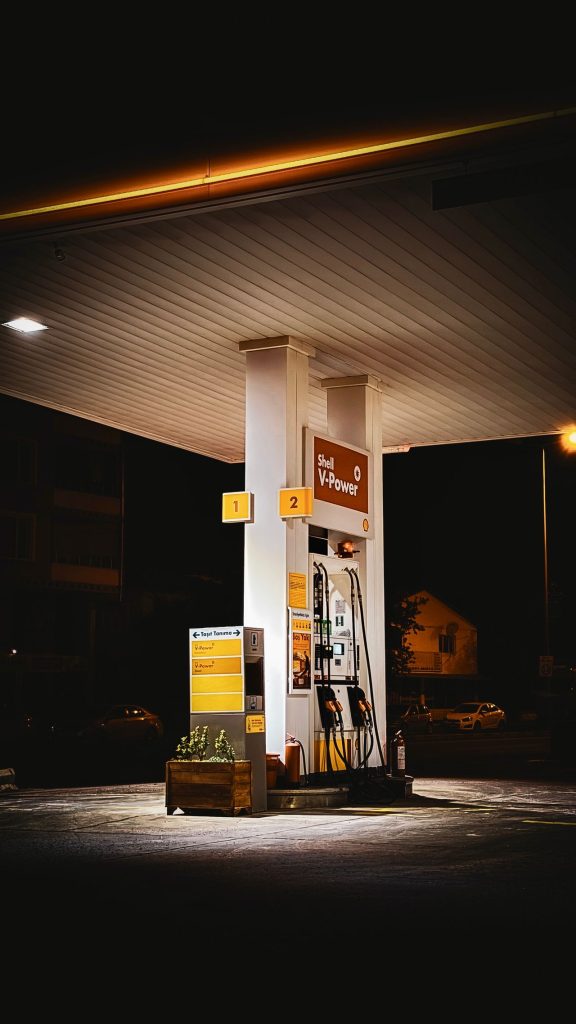
Flooding can cut communities off from filling stations at the exact time they need fuel most. Homes may require petrol for small generators, while hospitals, hotels, estates, factories and telecom sites may need diesel to keep essential equipment running.
Arranging fuel supply to flooded areas Nigeria requires more than loading products into a tanker and sending a driver. Flood depth, road access, storage capacity, delivery timing and safe offloading must all be checked before movement begins.
A properly coordinated delivery can help customers maintain power and operations without exposing drivers, equipment or nearby residents to unnecessary danger.
Confirm the Actual Condition of the Delivery Route
The first step is determining whether the destination can still be reached safely by road. Flood conditions often change quickly, especially after continuous rainfall.
A route that was passable earlier in the day may become dangerous by evening. Drivers can also encounter hidden potholes, open drainage channels, damaged bridges or strong water currents.
Before dispatch, the receiver should provide:
- Recent photos or videos of the access road
- A nearby dry landmark
- The estimated flood depth
- Details of any alternative entrance
- Information about parked vehicles or blocked gates
- A contact person who understands the area
In places such as Lekki, Ajah, Ikorodu, Port Harcourt and Yenagoa, the final delivery point may be inaccessible even when the main road remains open. The fuel may need to be transferred at a safer location or moved in approved containers using another suitable transport method.
Match the Delivery Vehicle to the Order
A small emergency request for a household generator is different from a diesel supply for an estate or factory.
The transport arrangement depends on:
- The type of fuel required
- The total quantity ordered
- The road and compound conditions
- The available storage tank
- The unloading method
- The urgency of the request
Large deliveries normally require suitable tankers and enough turning space at the destination. Smaller orders may be handled using approved containers and a vehicle designed to carry them securely.
Customers should not request more fuel than their storage system can safely hold. Confirm the tank capacity and current fuel level before the supplier leaves.
When Road and Water Transport May Be Combined
Some riverine or heavily flooded communities cannot be reached directly by truck. In such cases, the delivery may involve road transport to a safe waterfront point, followed by movement using a suitable boat or barge.
This type of operation needs careful coordination. Fuel should never be loaded casually into an ordinary passenger boat. The vessel must be stable, properly operated and suitable for the cargo being carried.
Containers must remain sealed, upright and secured against movement. Passengers should also be kept separate from the fuel cargo where required.
Travo.ng can help coordinate the transport stages, including vehicle movement, boat arrangements and delivery scheduling when one method cannot complete the entire journey.
Safe Offloading Matters as Much as the Journey
Reaching the destination does not mean the job is complete. The unloading point must be dry, stable and away from open flames, electrical sparks and running generators.
Before offloading, confirm that:
- The receiving tank is suitable for the fuel
- The area is properly ventilated
- The generator or machinery is switched off
- There is no smoking nearby
- Hoses and containers are in good condition
- The quantity delivered can be verified
- Spillage control materials are available
Fuel should never be poured into a hot or operating generator. The equipment should be switched off and allowed to cool before refuelling begins.
Common Delays During Flood Emergency Deliveries
Customers often wait until the generator has completely stopped before placing an order. This creates additional pressure and may lead to rushed decisions.
Flood-related deliveries can also be delayed by traffic diversions, vehicle breakdowns, police restrictions, poor visibility and difficulty locating a safe unloading point.
Businesses that depend heavily on generators should monitor fuel levels more closely during the rainy season. Ordering before the tank reaches a critical level gives the transport team more time to assess the route and arrange a safe delivery.
Clear communication is also important. The receiver should remain reachable and provide updates if the water level changes before the vehicle arrives.
Book Fuel Delivery Support With Travo.ng
Reliable fuel supply to flooded areas Nigeria depends on route assessment, suitable vehicles, safe handling and realistic delivery planning.
Travo.ng helps households, businesses, estates and organisations coordinate fuel delivery, emergency transport and alternative logistics where normal road access has been disrupted. Where necessary, road and water movement can be planned as connected stages rather than separate arrangements.
With the right information and proper safety procedures, essential fuel can reach affected locations while reducing risks to people, property and the environment.
