


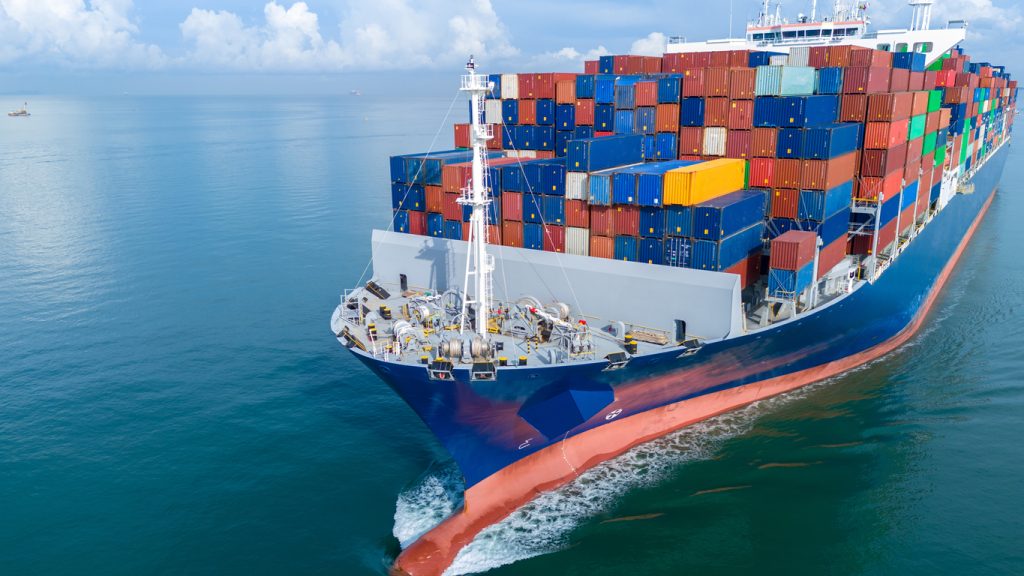
Moving medical supplies by sea is not the same as shipping regular commercial goods. Hospitals, laboratories, pharmaceutical distributors, NGOs, and healthcare suppliers need more than a container booking. They need proper documentation, careful cargo handling, reliable port coordination, and delivery planning once the shipment lands in Nigeria.
That is why medical sea freight in Nigeria requires a logistics process that understands both healthcare urgency and Nigerian port realities. Whether the cargo is hospital beds, diagnostic equipment, medical consumables, laboratory items, or non-urgent pharmaceutical supplies, one mistake at the shipping or clearance stage can cause delays, damage, or unexpected extra costs.
Travo.ng helps businesses and organisations coordinate medical cargo movement into and across Nigeria with practical support for sea freight, transport planning, cargo handling, and onward delivery.
When Sea Freight Makes Sense for Medical Cargo
Sea freight is usually the better option when the shipment is bulky, heavy, or not needed immediately. Many healthcare suppliers use sea freight for items such as:
Medical furniture and hospital beds
Diagnostic machines and spare parts
Wheelchairs and mobility equipment
Hospital consumables packed in cartons
Laboratory equipment
Bulk healthcare supplies for clinics and NGOs
Compared to airfreight, shipping by sea can be more cost-effective for large volumes. A distributor importing several pallets of hospital consumables from China or Europe, for example, may save significantly by using sea freight instead of air cargo. The trade-off is time. Depending on the origin, shipping route, vessel schedule, port congestion, and documentation readiness, cargo may take several weeks before final delivery.
The Nigerian Port Factor Many Importers Underestimate
Most medical sea freight entering Nigeria passes through Lagos ports such as Apapa or Tin Can Island. Some shipments may also move through Port Harcourt, Onne, or other port locations depending on the consignee, shipping line, and final destination.
The challenge is not only the ocean journey. The real pressure often starts when the shipment arrives. Importers may face:
Delayed shipping documents
Terminal congestion
Demurrage and storage charges
Inspection delays
Truck availability issues
Poor coordination between clearing agents and transporters
Difficulty moving cargo from Lagos to other states
For example, a shipment meant for a hospital project in Abuja may arrive at Lagos port, but still require proper clearance, container release, truck booking, and interstate haulage. If the truck is not arranged early, or if delivery access at the hospital site is not planned, the cargo can sit longer than necessary.
Documents Usually Needed for Medical Sea Freight
Documentation is one of the biggest causes of avoidable delay. Before the cargo arrives in Nigeria, importers should ensure that all shipping and import documents are complete and consistent.
Common documents may include:
Commercial invoice
Packing list
Bill of lading
Form M where applicable
PAAR documentation where required
Product certificates or regulatory documents, depending on the item
Insurance documents
Import permits or approvals for regulated healthcare items
Not every medical shipment is treated the same. A container of hospital furniture will not go through the same level of regulatory attention as pharmaceutical products or sensitive diagnostic materials. This is why it is important to confirm requirements before the cargo leaves the country of origin.
Cold Chain and Sensitive Medical Shipments Need Extra Planning
Some healthcare goods cannot be treated like ordinary dry cargo. Temperature-sensitive products, laboratory reagents, certain diagnostics, and specialised medical items may need controlled shipping conditions.
For these shipments, planning should cover:
Temperature requirements
Reefer container availability
Packaging quality
Port handling time
Power backup during transit or storage
Fast onward delivery after clearance
In Nigeria, the biggest risk is often the gap between port release and final delivery. Even if the sea freight leg is properly handled, poor last-mile coordination can compromise sensitive cargo. Travo.ng can support customers with transport coordination, delivery planning, and suitable logistics options for medical cargo after port clearance.
What It May Cost to Move Medical Cargo by Sea
Costs vary depending on shipment size, origin country, container type, cargo value, documentation, clearing process, and final delivery location.
A small LCL shipment will usually cost less than a full 20ft or 40ft container, but shared container cargo may take longer to process. A full container offers more control, especially for valuable or delicate equipment.
Importers should budget for:
Ocean freight
Port and terminal charges
Customs clearing fees
Documentation charges
Container deposit where applicable
Local haulage
Insurance
Possible storage or demurrage if delays occur
For medical equipment going from Lagos port to Abuja, Kano, Enugu, or Port Harcourt, inland transport can become a major part of the total cost. It is better to request a full landing-cost estimate rather than looking only at the shipping rate.
Mistakes That Delay Medical Sea Freight in Nigeria
Many delays come from simple planning errors. Common mistakes include shipping before confirming import requirements, using unclear product descriptions, underestimating port charges, waiting too long to arrange trucks, or choosing the cheapest logistics option without checking reliability.
Healthcare cargo needs a more careful approach. A diagnostic machine damaged during offloading or a hospital supply shipment delayed for weeks can affect real operations. For hospitals, NGOs, and distributors, reliability is often more important than chasing the lowest quote.
How Travo.ng Helps With Medical Sea Freight in Nigeria
Travo.ng provides practical logistics support for customers moving medical and healthcare-related cargo into Nigeria. Depending on the shipment, Travo.ng can assist with sea freight coordination, cargo movement planning, delivery services, transport arrangements, and onward distribution to hospitals, warehouses, clinics, or project sites.
The goal is to make the process easier from booking to final delivery. Instead of dealing separately with shipping, port movement, trucking, and last-mile coordination, customers can work with a team that understands Nigerian logistics conditions and the urgency that comes with healthcare cargo.
For importers, hospitals, NGOs, and medical suppliers, medical sea freight in Nigeria works best when documentation, port handling, and local delivery are planned together. Travo.ng helps make that process more organised, reliable, and easier to manage.
