


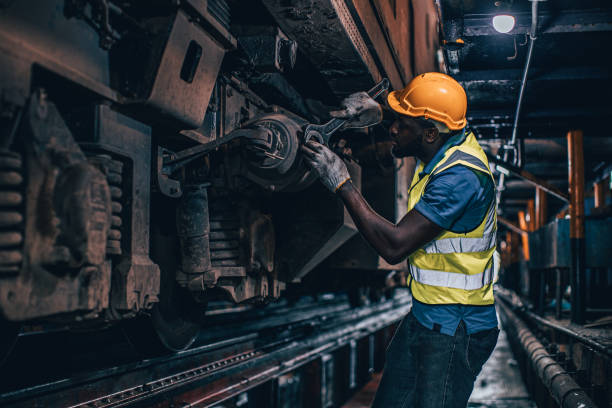
For many Nigerians looking to enter the automotive industry, vocational training offers a practical alternative to a purely academic route. Vocational mechanic training in Nigeria can teach beginners how to service, diagnose and repair vehicles while developing the hands-on skills needed for employment or self-employment.
Nigeria’s current TVET system includes automobile mechanics among its recognised vocational trades, with training designed around practical skills for employment and entrepreneurship. (FME TVET Initiative)
What Do You Learn During Vocational Mechanic Training?
A good mechanic training programme should cover the fundamentals of vehicle maintenance before moving into more advanced repairs.
Training can include:
- Engine servicing and repair
- Brake system maintenance
- Suspension and steering
- Transmission and clutch systems
- Cooling systems
- Fuel and injection systems
- Automotive electrical systems
- Battery and charging systems
- Vehicle diagnostics
- Preventive maintenance
- Fault troubleshooting
- Workshop safety
Modern automotive training is increasingly moving beyond traditional mechanical repairs. Nigeria’s automotive mechatronics curriculum incorporates mechanical, electrical and electronic systems because modern vehicles depend heavily on electronic controls and diagnostics. (Digital NBTE)
Practical Workshop Experience Matters
Mechanics learn best by working on actual vehicles. Reading about an engine problem is different from standing beside a vehicle that refuses to start and figuring out why.
A trainee may begin by learning how to:
- Identify and use workshop tools.
- Carry out basic vehicle inspections.
- Change engine oil and filters.
- Inspect brakes and suspension.
- Test batteries and charging systems.
- Assist with engine repairs.
- Diagnose electrical faults.
- Use vehicle diagnostic equipment.
- Carry out repairs under supervision.
Some Nigerian vocational automotive programmes specifically combine classroom instruction with practical workshop assignments and live vehicle work. (bimi.com.ng)
Vehicle Diagnostics Is Becoming More Important
Modern cars can generate electronic fault codes when sensors, control modules or other systems develop problems. This means a mechanic who understands diagnostics can often identify faults more systematically.
Useful skills include:
- OBD scanner operation
- Fault-code interpretation
- Multimeter testing
- Sensor diagnosis
- Automotive wiring
- ECU systems
- Battery testing
- Charging-system diagnosis
Learning these skills alongside traditional mechanical repair can help a trainee progress from basic mechanic work into automotive technician and diagnostic roles.
How Long Does Vocational Mechanic Training Take?
Training duration depends on the programme and the trainee’s starting level.
The Federal Ministry of Education’s current TVET Initiative offers a six-month Short-Term Certificate programme for first-time trainees and a one-year Vocational Education & Innovation programme for people with some previous education or informal training experience. Automobile mechanics is one of the listed trades. (FME TVET Initiative)
Other institutions offer longer automotive programmes. NIATEC, for example, currently lists a five-month Professional Automotive Foundation Certificate followed by one month of industrial training, as well as a 12-month Auto Technician programme followed by industrial training. (NIATEC INSTITUTE)
Apprenticeship Can Complement Formal Training
Traditional apprenticeship remains another route into mechanical work. An apprentice can learn directly from experienced technicians and gradually move from basic workshop duties to more complicated repairs.
A strong combination is formal technical training followed by practical workshop or industrial experience. This helps trainees understand both the theory behind vehicle systems and how those systems behave during real repairs.
Who Can Apply for Vocational Mechanic Training?
These programmes can be suitable for:
- Secondary-school leavers
- Young people without technical experience
- Existing apprentices
- Junior mechanics
- Artisans
- Automotive technicians
- People changing careers
- Anyone interested in vehicle repair
The current federal TVET programme’s six-month route does not require previous educational qualifications beyond the stated identification requirements, while its one-year route accepts recognised prior learning and certain basic educational qualifications. (FME TVET Initiative)
Where Can a Trained Mechanic Work?
After developing sufficient practical experience, a trained mechanic can pursue opportunities with:
- Automotive workshops
- Transport companies
- Logistics businesses
- Vehicle dealerships
- Fleet operators
- Vehicle maintenance companies
- Construction companies
- Equipment service businesses
- Mobile mechanic businesses
Possible job titles include Automobile Mechanic, Automotive Technician, Diagnostic Technician, Fleet Maintenance Technician, Auto Electrician and Vehicle Maintenance Technician.
What Should You Check Before Choosing a Training Centre?
Don’t choose a programme simply because it promises a certificate.
Before enrolling, find out whether the training includes:
- Real vehicles
- Workshop practice
- Diagnostic equipment
- Automotive electrical training
- Engine repair
- Transmission work
- Preventive maintenance
- Fault diagnosis
- Safety procedures
- Industrial attachment
You should also check whether the institution or programme is properly accredited where applicable. NBTE regulates and accredits technical and vocational education and training institutions in Nigeria. (nbte.gov.ng)
What Should You Put on Your CV?
If you’re applying for vocational mechanic training or a trainee opportunity, your CV does not need to show years of experience.
Instead, highlight:
- Educational qualifications
- Previous technical training
- Workshop experience
- Apprenticeship experience
- Mechanical skills
- Electrical knowledge
- Vehicles you’ve worked on
- Diagnostic equipment you can use
- Relevant certificates
- Willingness to learn
If you have helped a mechanic with servicing, brake repairs, engine work or vehicle inspections, describe exactly what you did.
Applications and CV Submission
Candidates interested in vocational mechanic training and related technical opportunities should prepare an updated CV showing their educational background, practical experience, mechanical skills and willingness to learn.
Applications and CVs should be sent to jobs@wigmoretrading.com.
Use Vocational Mechanic Training Application as the email subject and include your phone number, qualifications and relevant workshop experience in your CV.
Preparing for the Interview
You may be asked questions such as:
- Why do you want to become a mechanic?
- What do you know about basic vehicle servicing?
- What would you check if a vehicle refused to start?
- What is preventive maintenance?
- What does an OBD scanner do?
- What can cause an engine to overheat?
- What safety precautions should you follow in a workshop?
If you’re a beginner, don’t pretend to have skills you haven’t developed. Employers and trainers can usually tell. Show that you’re serious, willing to learn and comfortable with practical work.
Building a Career From Vocational Mechanic Training
Vocational mechanic training in Nigeria can provide a practical foundation for entering the automotive industry. The important thing is to keep developing after the initial training.
Once you’ve mastered basic mechanical work, consider adding automotive diagnostics, electrical systems, fuel injection, diesel technology, hybrid vehicles and electric vehicle technology.
The strongest technicians are not simply people who can replace damaged parts. They are able to inspect a vehicle, identify the actual cause of a problem, repair it correctly and help prevent the same fault from returning.
