


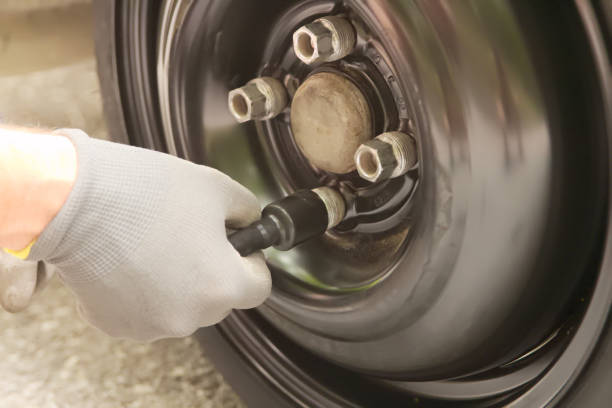
A tyre valve may be a small part of your wheel, but it plays an important role in keeping the tyre properly inflated. A damaged or leaking valve can cause gradual air loss and eventually leave you with a flat tyre.
If you keep adding air to the same tyre and cannot find a puncture, the valve could be one of the things that needs checking.
What Is a Tyre Valve?
A tyre valve is the component that allows air to be added to the tyre while helping prevent it from escaping.
Most standard car wheels use rubber snap-in valves, while some vehicles use metal valves or special valve assemblies. Cars equipped with tyre pressure monitoring systems may also have TPMS sensors integrated into the valve assembly.
Because of these differences, the correct replacement depends on your vehicle and wheel setup.
Signs Your Tyre Valve Needs Replacement
A faulty valve can cause a slow leak that is difficult to notice at first.
Common signs include:
- Tyre pressure keeps dropping
- You regularly need to inflate one tyre
- Air bubbles appear around the valve during a leak test
- The valve stem is cracked or damaged
- The valve cap or valve core is damaged
- The tyre loses pressure without an obvious puncture
If one tyre repeatedly loses pressure while the others remain stable, have both the tyre and valve inspected.
How Much Does Tyre Valve Replacement Cost?
Tyre valve replacement is generally inexpensive compared with replacing a tyre, but the final cost depends on the valve type and the work required.
The price may include:
- Replacement valve
- Valve core
- Labour
- Tyre removal and refitting
- Balancing where required
- TPMS valve or sensor components where applicable
Standard rubber valves are usually simpler to replace. TPMS-equipped vehicles may require a more specialised valve or sensor assembly.
Does the Tyre Have to Be Removed?
In many cases, replacing the valve requires the tyre bead to be separated from the wheel so the valve can be removed and installed correctly.
This is different from simply removing the valve cap or valve core.
A tyre technician should also inspect the tyre and wheel while carrying out the work, particularly if the tyre has been losing pressure repeatedly.
Should You Replace the Valve When Changing a Tyre?
Replacing the valve when fitting a new tyre is often sensible because the valve is also exposed to age, heat, road conditions and general wear.
If you are already paying for tyre fitting, asking the technician to inspect the valve can help prevent a new tyre from developing a slow leak because of an old valve.
For vehicles with TPMS, make sure the replacement valve is compatible with the existing system.
Can a Bad Valve Cause a Flat Tyre?
Yes. A damaged valve can allow air to escape gradually or, in more serious cases, cause a faster loss of pressure.
Driving with an underinflated tyre can increase heat buildup and cause uneven tyre wear. If the tyre becomes severely deflated, continuing to drive on it can damage the tyre’s sidewall.
Check your tyre pressure regularly and investigate unexplained pressure loss rather than repeatedly inflating the tyre without finding the cause.
Tyre Valve Replacement and TPMS
Modern vehicles may have a tyre pressure monitoring system that measures the pressure in each tyre.
If the vehicle uses a TPMS valve sensor, replacing the valve may involve more than installing a standard rubber valve. The technician may need to use a compatible sensor or service kit and ensure that the system continues to function correctly.
If a TPMS warning remains after the tyre work, have the system checked.
What to Check After Valve Replacement
After the new valve is installed, the tyre should be inflated to the correct pressure and checked for leaks.
It is also worth checking the other tyres, particularly if the vehicle has been in service for several years.
Make sure the valve cap is fitted properly as well. The cap provides additional protection against dirt and moisture entering the valve.
What If You Need a Tyre Technician at Your Location?
If your tyre is losing air while the vehicle is parked at home, work or elsewhere, you may not want to drive to a tyre shop with an underinflated tyre.
A mobile tyre service can inspect the tyre and valve at your location where available. If the vehicle has a more serious tyre or wheel problem and cannot be safely driven, Travo.ng can help coordinate vehicle transport to a suitable service location.
Tyre valve replacement is a relatively small repair, but fixing a leaking valve early can prevent repeated air loss and reduce the risk of driving with dangerously low tyre pressure.
