


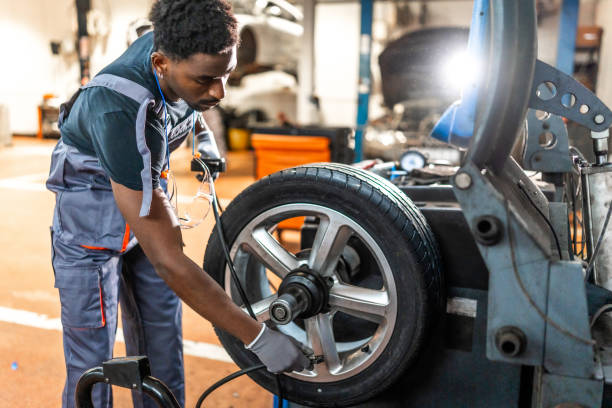
Tyres do not last forever. Even when a tyre still looks reasonably good, wear, age, punctures, heat and road conditions can eventually make replacement necessary.
Knowing when you need a tyre replacement can help you avoid getting stranded with a damaged tyre or continuing to drive on rubber that no longer provides adequate grip.
When should you replace your tyres?
There is no single mileage that applies to every tyre. How long a tyre lasts depends on the tyre itself, the vehicle, road conditions, tyre pressure and driving habits.
You should consider replacement when you notice:
- Very low or uneven tread
- Cracks in the sidewall
- Bulges or bubbles
- Deep cuts
- Repeated punctures
- Significant tread wear
- Persistent loss of air
- Vibration that may be linked to tyre damage
- A tyre that has become too old or deteriorated
If you are unsure about the condition of a tyre, have it inspected by a qualified tyre professional.
Check the tread before replacing your tyres
The tread is the part of the tyre that makes contact with the road. As it wears down, the tyre can become less effective, particularly on wet or slippery surfaces.
Look across the entire tread rather than checking only one section.
Uneven wear can be an important warning sign. For example, excessive wear on one edge may indicate an alignment or suspension problem. Replacing the tyre without fixing the underlying issue can cause the replacement tyre to wear unevenly as well.
Don’t ignore sidewall damage
The sidewall is particularly important because it helps the tyre support the vehicle and flex as it moves.
A tyre with serious sidewall damage, a large cut or a bulge should be inspected immediately.
Sidewall damage is not something to treat like a normal tread puncture. In some cases, replacement will be necessary rather than repair.
What causes tyres to wear quickly?
Several factors can shorten tyre life.
Common causes include:
- Incorrect tyre pressure
- Poor wheel alignment
- Unbalanced wheels
- Aggressive acceleration or braking
- Heavy vehicle loads
- Frequent driving on damaged roads
- Poor suspension components
- Regular driving in heavy traffic
Nigerian drivers may also encounter potholes, road debris and rough surfaces that can cause sudden tyre and wheel damage.
Should you replace one tyre or all four?
It depends on the condition of the other tyres and the type of vehicle.
If only one tyre is damaged but the remaining tyres are relatively new, replacing a single tyre may be possible. However, vehicles with certain drivetrain systems may have specific requirements regarding tyre size, tread depth and differences between tyres.
If several tyres are worn, replacing them as a set may make more sense.
Always use the tyre size and specification recommended for your vehicle.
What should you check when buying replacement tyres?
Don’t choose a tyre based only on price.
Check:
- Tyre size
- Load rating
- Speed rating
- Vehicle manufacturer’s recommendations
- Tread pattern
- Manufacturing condition and age
- Intended driving conditions
If you mainly drive around the city, your requirements may differ from someone who regularly travels long interstate routes.
Should you replace tyres after a puncture?
Not every punctured tyre needs to be replaced.
A small puncture in a suitable part of the tread may be repairable if the tyre has not suffered additional damage.
However, replacement may be necessary if the puncture is in the sidewall, the tyre has been badly damaged or the tyre has been driven while severely underinflated.
A professional inspection is the safest way to determine whether repair or replacement is appropriate.
Why wheel alignment matters after tyre replacement
New tyres can wear unevenly if the wheels are not properly aligned.
If your old tyres showed unusual wear on one side, it is worth having the alignment checked before or after fitting the replacement tyres.
Signs of possible alignment problems include:
- The vehicle pulling to one side
- An off-centre steering wheel
- Uneven tread wear
- Steering that feels unusual
- Rapid wear on the inside or outside edge of a tyre
Correcting the underlying problem can help your new tyres last longer.
What happens during a tyre replacement?
A typical tyre replacement involves removing the old tyre, inspecting the wheel, fitting the new tyre and inflating it to the correct pressure.
The wheel should then be properly secured to the vehicle.
Depending on the situation, wheel balancing may also be recommended, particularly if a new tyre has been fitted or you are experiencing vibration at speed.
Tyre replacement for long-distance journeys
If you are planning a long trip, inspect your tyres before leaving rather than waiting until you are already on the road.
Check the tyre pressure, tread and sidewalls, and make sure your spare tyre or emergency equipment is usable if your vehicle has one.
A tyre that is already showing signs of damage or severe wear is not worth ignoring before a long journey.
For drivers whose travel plans are affected by vehicle problems, Travo.ng can also assist with relevant travel, transport and mobility arrangements.
Replace damaged tyres before they become a bigger problem
Tyre replacement is a normal part of vehicle ownership. The important thing is recognising when a tyre has reached the point where repair or continued use is no longer sensible.
Regular inspections, correct tyre pressure and proper wheel alignment can help extend tyre life. When a tyre is damaged beyond safe repair, replacing it before it fails on the road is the safer option.
