


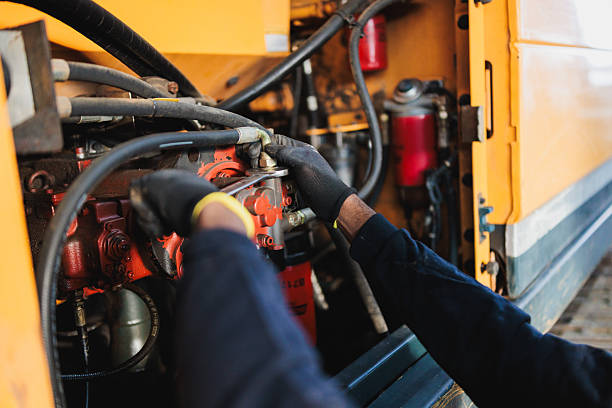
Nigeria’s transport and logistics industry depends heavily on trucks to move goods between cities, ports, warehouses, factories and distribution centres. That creates a steady need for technicians who understand heavy-duty vehicles. Truck mechanic training in Nigeria can prepare beginners and existing mechanics to work on diesel engines, transmissions, braking systems, electrical components and other truck systems.
A strong programme should combine classroom instruction with practical workshop experience. Existing Nigerian training programmes have covered medium- and heavy-duty diesel trucks, vehicle diagnosis, mechatronics and telematics, showing the importance of combining traditional mechanical skills with modern diagnostics.
What Do You Learn During Truck Mechanic Training?
A comprehensive programme can cover:
- Diesel engine maintenance and repair
- Fuel injection systems
- Truck transmissions
- Clutches and driveline systems
- Air-brake systems
- Suspension and steering
- Wheel-end maintenance
- Automotive electrical systems
- Electronic diagnostics
- Preventive maintenance
- Hydraulic and pneumatic systems
- Fault diagnosis and troubleshooting
Heavy-duty technician training commonly combines diesel engines, braking, steering, suspension, electrical/electronic systems and preventive maintenance.
Why Diesel Diagnostics Is Important
Modern trucks are no longer purely mechanical. Electronic control systems and diagnostic equipment are increasingly important when troubleshooting engine, fuel, electrical and emissions-related faults.
A trained technician should eventually be comfortable using diagnostic scanners alongside traditional mechanical testing. This is particularly useful when dealing with issues such as:
- Loss of engine power
- Starting problems
- Excessive smoke
- Fuel-system faults
- Sensor failures
- Charging problems
- Electronic control faults
- Transmission problems
Practical Workshop Experience Matters
Truck mechanics need more than classroom knowledge. They need to understand what happens when a heavy vehicle arrives with a real fault.
A trainee might start with basic servicing before progressing to:
- Inspecting a diesel engine.
- Servicing oil and fuel systems.
- Checking brakes and suspension.
- Testing batteries and charging systems.
- Diagnosing starting problems.
- Inspecting transmission and drivetrain components.
- Using diagnostic equipment.
- Carrying out repairs and testing the vehicle afterwards.
A previous Truckmasters programme in Ikeja combined classroom and workshop learning with industrial attachment, demonstrating the value of workplace exposure in heavy-duty technician training.
Where Can a Trained Truck Mechanic Work?
After gaining sufficient experience, technicians can pursue opportunities with:
- Truck transport companies
- Logistics companies
- Fleet operators
- Construction companies
- Manufacturing businesses
- Vehicle dealerships
- Heavy-equipment companies
- Automotive workshops
- Industrial maintenance companies
- Commercial vehicle service centres
Fleet operators particularly need mechanics who can keep vehicles roadworthy and minimise downtime.
What Should You Look for in a Training Programme?
Before paying for a course, check what practical experience is actually included.
A good programme should provide exposure to:
- Real diesel engines
- Heavy-duty trucks
- Diagnostic scanners
- Electrical testing
- Fuel injection systems
- Brake systems
- Transmission and drivetrain
- Preventive maintenance
- Fault diagnosis
- Workshop safety
Current Nigerian training options vary considerably. For example, NIATEC lists automotive programmes ranging from a five-month foundation course with industrial training to a 12-month auto technician programme with additional industrial training.
Qualifications Can Help, But Practical Skills Matter
Depending on the programme, applicants may enter with secondary-school qualifications, technical certificates, OND, HND or engineering qualifications.
A previous Truckmasters programme accepted candidates ranging from WAEC holders with a demonstrated passion for mechanics to OND, HND and engineering graduates.
For someone without formal experience, an apprenticeship or structured trainee programme can therefore be a useful starting point.
What Should You Put on Your CV?
If you’re applying for truck mechanic training or trainee opportunities, focus on your actual skills and potential.
Include:
- Educational qualifications
- Mechanical training
- Workshop experience
- Apprenticeship experience
- Diesel engine knowledge
- Truck maintenance experience
- Diagnostic skills
- Automotive electrical knowledge
- Tools you can use
- Relevant technical certificates
- Areas you want to specialise in
If you’ve worked on buses, trucks, generators or other diesel equipment, state the specific equipment rather than simply writing “mechanic.”
Applications and CV Submission
Candidates interested in truck mechanic training and related technical opportunities should prepare an updated CV showing their education, mechanical experience, practical skills and willingness to learn.
Applications and CVs should be sent to jobs@wigmoretrading.com.
Use Truck Mechanic Training Application as the email subject and include your phone number, qualifications and relevant workshop experience in your CV.
Preparing for the Training Interview
You may be asked basic questions such as:
- What is the difference between a diesel and petrol engine?
- What could cause a truck engine not to start?
- What can cause excessive diesel smoke?
- What does a fuel injector do?
- How would you diagnose loss of engine power?
- What checks should be performed before replacing a component?
- Why is preventive maintenance important for commercial trucks?
If you’re applying as a beginner, don’t pretend to have advanced knowledge. Show that you’re willing to learn, comfortable with practical work and serious about developing a career in heavy-duty vehicle maintenance.
Building a Career as a Truck Mechanic
Truck mechanic training in Nigeria can lead to careers as a diesel mechanic, heavy-duty vehicle technician, fleet maintenance technician, diagnostic technician or workshop supervisor.
The strongest technicians continue developing beyond basic engine repairs by learning electronic diagnostics, fuel injection, electrical systems, braking, transmission and modern fleet technology.
For anyone entering the field, choose training that gives you real hands-on experience with heavy-duty vehicles, because that is where mechanical knowledge becomes practical troubleshooting ability.
