


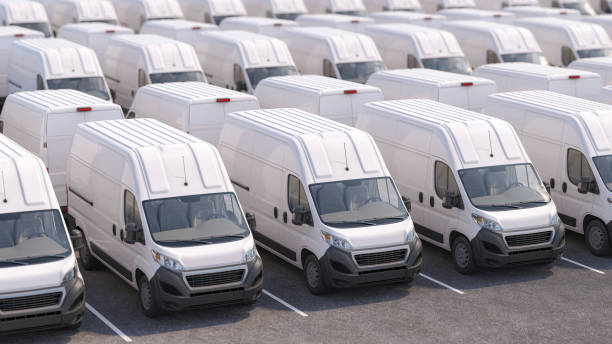
Transport fleet management for investors and owners refers to a structured system where transportation assets—such as trucks, vans, buses, and cargo vehicles—are professionally operated, monitored, and optimized to generate consistent income while preserving asset value. It is designed for individuals or institutions who own logistics assets but do not want to handle daily operational responsibilities.
In Nigeria, where logistics demand is strong but operational complexity is high, this model has become the practical bridge between asset ownership and real returns.
The core idea is simple: investors provide the capital and own the fleet, while professionals ensure the fleet performs like a business.
Why Fleet Management Matters for Investors and Owners
Owning transport assets is easy. Making them consistently profitable is not.
Without structured management, common issues include:
- Vehicles sitting idle without assignments
- Irregular logistics demand and unstable income
- Poor driver coordination and supervision
- High fuel and maintenance inefficiencies
- Weak visibility into revenue and performance
- Difficulty scaling beyond a small fleet size
Fleet management exists to solve these operational gaps.
What Transport Fleet Management Actually Covers
1. Full Operational Execution
Professional managers handle daily fleet activities:
- Dispatch scheduling and coordination
- Driver assignment and supervision
- Route planning and optimization
- Load matching and delivery execution
- Real-time fleet tracking
This ensures assets remain continuously active.
2. Demand Access and Logistics Matching
Assets are connected to real logistics demand such as:
- FMCG distribution networks
- E-commerce and retail logistics
- Manufacturing supply chains
- Interstate freight corridors
In Nigeria, high-demand routes include Lagos–Abuja, Lagos–Ibadan, and Lagos–Port Harcourt corridors.
3. Maintenance and Asset Protection
To preserve long-term value:
- Preventive maintenance scheduling
- Workshop and repair coordination
- Vehicle performance monitoring
- Downtime reduction planning
This prevents premature depreciation of assets.
4. Financial Tracking and Reporting
Investors receive structured transparency:
- Revenue per vehicle and per route
- Operating cost breakdowns
- Utilization and idle time metrics
- Net performance and ROI reporting
- Portfolio-level summaries
This enables informed decision-making.
How Fleet Management Improves Investment Returns
Returns are not driven by ownership alone but by system efficiency:
- Higher daily utilization of assets
- Reduced empty return trips
- Optimized fuel consumption and routing
- Strong logistics demand pipelines
- Efficient scheduling and dispatch systems
The more efficiently assets are deployed, the higher the returns.
Why Nigeria Requires Structured Fleet Management
Nigeria’s logistics environment presents unique challenges:
- Lagos congestion affecting turnaround time
- Road infrastructure variability across regions
- Fuel price fluctuations impacting operating costs
- Seasonal demand spikes in FMCG and agriculture
- Interstate logistics delays and regulatory checkpoints
Without professional management, these factors significantly reduce profitability.
Types of Clients Who Use Fleet Management Services
1. Individual Investors
Own one or multiple vehicles seeking passive income.
2. High-Net-Worth Individuals
Require structured management for diversified fleets.
3. Corporate Asset Owners
Use fleets to support internal logistics operations.
4. Institutional Investors
Require scalable, report-driven logistics systems.
The Role of Technology in Fleet Management
Modern systems rely on digital tools such as:
- GPS tracking and real-time monitoring
- Dispatch and logistics coordination platforms
- Route optimization algorithms
- Predictive maintenance alerts
- Investor dashboards and performance analytics
Technology ensures transparency, efficiency, and scalability.
How Travo.ng Supports Investors and Fleet Owners
Within Nigeria’s logistics ecosystem, Travo.ng supports the execution layer that helps transport assets stay active, coordinated, and aligned with real logistics demand.
Travo.ng assists with:
- Cargo and delivery coordination
- Transport scheduling and dispatch planning
- Fleet deployment support
- Vehicle hire and logistics arrangements
- Interstate logistics coordination
- Business logistics execution support
This helps ensure that logistics assets are consistently utilized in real operational environments.
The Future of Transport Fleet Management
The industry is moving toward structured, data-driven systems where:
- Investors focus on capital ownership
- Professional operators handle full execution
- Technology ensures real-time transparency
- Logistics demand is dynamically matched to capacity
- Fleets function as scalable investment portfolios
As logistics demand continues to grow globally, transport fleet management will remain essential for converting assets into reliable income-generating systems.
