


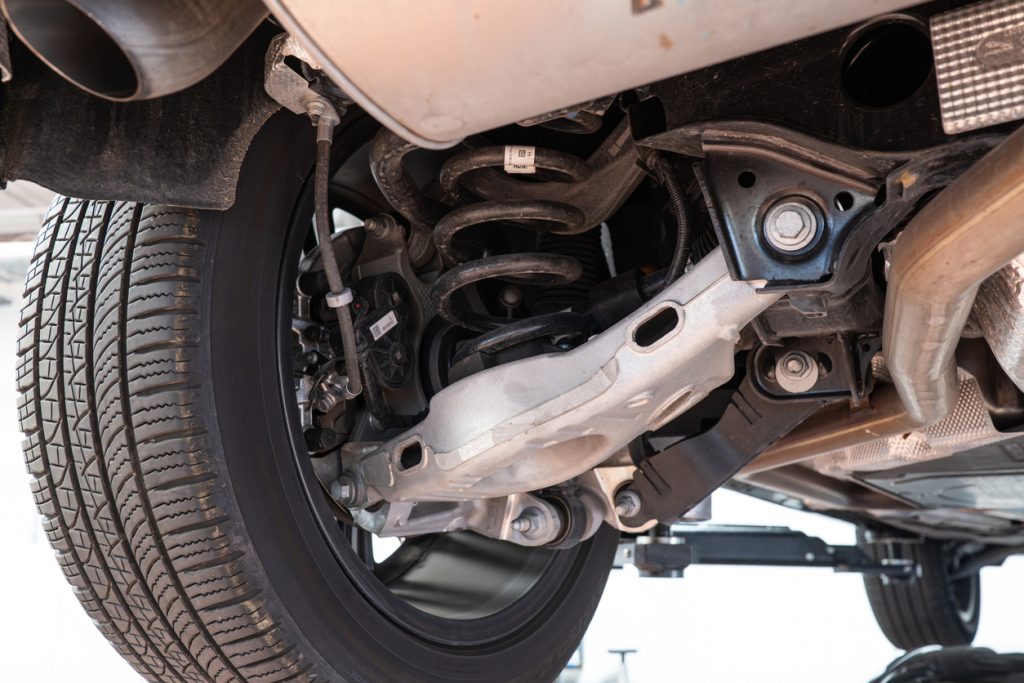
A car shock absorber is an important part of the suspension system. It helps control the movement of the springs and keeps the vehicle more stable after passing over bumps, potholes and uneven roads.
When shock absorbers become worn, you may notice excessive bouncing, body movement, unusual noises or uneven tyre wear. These problems can become more noticeable when driving on rough roads or carrying heavy loads.
What Is a Shock Absorber on a Car?
A shock absorber, also called a shock, is a suspension component that controls how quickly the car’s springs compress and rebound.
Without effective damping, the springs would continue bouncing after hitting a bump. The shock absorber helps settle the vehicle and maintain better contact between the tyres and road.
Shock absorbers are particularly important when driving over potholes, speed bumps, rough surfaces and uneven roads.
What Does a Shock Absorber Do?
The main functions include:
- Controlling bouncing
- Improving vehicle stability
- Helping tyres maintain contact with the road
- Reducing excessive body movement
- Supporting predictable handling
- Helping the suspension respond properly to bumps
They do not carry out the same job as the springs. The spring supports the vehicle’s weight, while the shock absorber controls the spring’s movement.
Signs of Bad Shock Absorbers
Shock absorbers normally wear gradually, so the changes can be easy to overlook.
Look out for:
- Excessive bouncing after bumps
- The car dipping heavily when braking
- Excessive body roll around corners
- Knocking or clunking noises
- Fluid leaking from the shock
- Uneven or cupped tyre wear
- An unsettled feeling over rough roads
- The vehicle continuing to bounce after a speed bump
These symptoms can also be caused by other suspension problems, so proper inspection is important before replacing the shocks.
Why Nigerian Roads Can Be Hard on Shocks
Regularly driving through potholes, broken road surfaces and speed bumps can put considerable stress on suspension components.
Hitting a pothole at speed can also damage other parts around the suspension, meaning a noise or unstable ride should not automatically be blamed on the shock absorber.
If you frequently drive on rough roads, pay attention to changes in how the car feels rather than waiting until the suspension becomes severely damaged.
Shock Absorber vs Strut
Shock absorbers and struts are often used interchangeably, but they are not exactly the same thing.
A shock absorber is primarily a damping component.
A strut can form a larger structural part of the suspension assembly and may incorporate the spring, mount and other components depending on the vehicle design.
Your car may use shocks, struts or a combination of both.
How to Check Your Shock Absorbers
A mechanic can inspect the suspension while the vehicle is raised and check for problems such as:
- Fluid leakage
- Damaged shock bodies
- Worn mounts
- Damaged bushings
- Loose suspension components
- Uneven tyre wear
A basic bounce test can also provide a warning sign. Push down firmly on a suitable corner of the vehicle and release it. If the vehicle continues bouncing excessively instead of settling quickly, the suspension should be inspected.
The bounce test is only a basic check and should not replace a proper inspection.
Can You Drive With Bad Shock Absorbers?
A vehicle with worn shocks may still move, but that does not mean the suspension is functioning properly.
Poor damping can affect stability, handling, braking behaviour and tyre contact with the road. The problem can become particularly noticeable at higher speeds, during emergency manoeuvres or on uneven surfaces.
If the shocks are badly worn, leaking or damaged, have the vehicle inspected rather than continuing to use it normally.
Do Shock Absorbers Need to Be Replaced in Pairs?
Shock absorbers are commonly replaced in pairs on the same axle so that both sides have similar damping characteristics.
For example, if one rear shock has failed, a mechanic may recommend replacing both rear shocks.
However, the correct approach depends on the vehicle, the condition of the other shock and the manufacturer’s recommendations.
How Much Does a Car Shock Absorber Cost?
There is no universal price for a shock absorber.
The cost depends on:
- Car make and model
- Vehicle year
- Front or rear suspension
- Brand
- New or used part
- Original-equipment or aftermarket part
- Whether the vehicle uses a complete strut assembly
- Labour charges
A common vehicle may have several replacement options, while parts for newer, luxury or less common vehicles can be considerably more expensive.
Ask for the price of the part and installation separately before approving the repair.
Should You Buy New or Used Shocks?
A used shock absorber may cost less, but its remaining lifespan can be difficult to determine.
For an important suspension component, many drivers prefer a new replacement from a reputable manufacturer.
If you are considering a used part because of budget limitations, have it properly inspected and make sure it is compatible with your exact vehicle.
Don’t Replace Shocks Without Checking the Rest of the Suspension
A clunking noise does not automatically mean the shock absorber is bad.
Other possible causes include:
- Worn suspension bushes
- Damaged ball joints
- Stabiliser links
- Worn mounts
- Broken springs
- Loose suspension components
- Wheel or tyre problems
Replacing the wrong component wastes money and may leave the original problem unresolved.
Shock Absorbers and Tyre Wear
Suspension condition can affect how tyres contact the road.
A worn shock can allow excessive wheel movement, which may contribute to uneven or cupped tyre wear.
If you notice unusual tyre wear together with bouncing or suspension noise, have both the tyres and suspension checked.
Before a Long Journey
If you are planning an interstate trip, inspect the suspension before leaving, particularly if the vehicle has recently developed unusual bouncing, steering behaviour or suspension noises.
A vehicle that feels fine around town can behave differently when driven for several hours at higher speeds or when carrying passengers and luggage.
Checking shocks, tyres, brakes and other important components before the journey can reduce the chance of an avoidable breakdown.
How Travo.ng Can Help With Your Journey
A suspension problem can disrupt a planned road trip, airport transfer or business journey.
If your car needs repairs before travelling, deal with the problem early rather than discovering it on the road. Travo.ng can also help with travel bookings, transport coordination, vehicle hire and other logistics when you need an alternative way to complete your journey.
Shock absorbers are easy to overlook because their performance usually decreases gradually. If your car has started bouncing more than usual, leaning through corners, dipping heavily under braking or showing unusual tyre wear, it is worth having the suspension inspected before the problem becomes more serious.
