


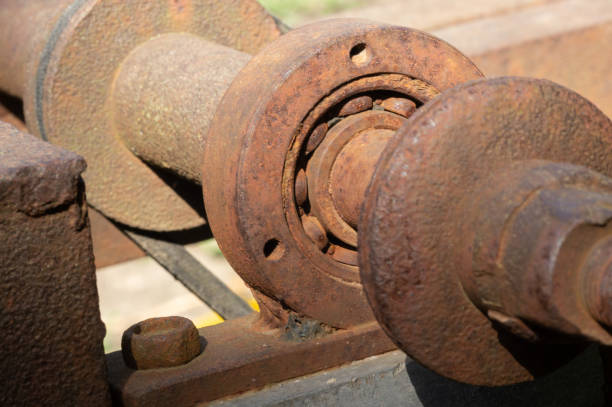
Rust remover is a useful product for getting rid of rust from metal surfaces, including tools, vehicle parts, gates, brackets and other steel components. Rust forms when iron or steel reacts with oxygen and moisture, so leaving it untreated can allow corrosion to continue.
The right rust remover depends on what you are cleaning and how severe the rust has become.
What Is Rust Remover?
Rust remover is a chemical product designed to remove or chemically treat rust on metal.
Some products dissolve the rust so it can be washed away, while others chemically convert the rust into a more stable coating. These are not exactly the same thing, so it is important to check the product before using it.
For automotive work, you may also come across iron removers designed specifically for removing tiny ferrous particles from paint and wheels.
How Does Rust Remover Work?
Different products work in different ways.
Some chemical rust removers react with iron oxide and dissolve it, leaving cleaner metal behind. Others use chemicals that bind to the iron in the rust and allow it to be rinsed away.
A rust converter works differently. Instead of completely removing the rust, it changes the rust into a more stable layer that can usually be prepared for priming and painting.
This distinction matters when repairing a rusty car panel.
Rust Remover vs Rust Converter
These products are often confused.
Rust remover: Designed to remove rust from the metal.
Rust converter: Designed to chemically transform existing rust into a more stable coating.
If you have light rust on a removable metal part, a rust remover may be appropriate. If rust has already affected a painted panel and you are preparing it for repair, a rust converter may be more suitable depending on the condition of the metal.
Can You Use Rust Remover on a Car?
Yes, but you need to use the correct product for the surface.
A chemical designed for bare steel should not automatically be used on painted bodywork, plastic, rubber or other vehicle surfaces.
For tiny orange or brown spots on automotive paint, an automotive iron remover may be more appropriate than a strong general-purpose rust remover. These products are designed to target embedded iron particles without relying on aggressive abrasion.
Always follow the product’s instructions and test it on an inconspicuous area when appropriate.
Rust Remover for Car Parts
Rust remover can be useful on suitable removable metal components such as:
- Steel brackets
- Some suspension components
- Metal tools
- Fasteners
- Unpainted steel parts
- Workshop equipment
However, heavily corroded components should be inspected before simply cleaning and reusing them. Rust can weaken metal, particularly when corrosion has caused deep pitting or significant material loss.
How to Remove Light Rust
For light surface rust on suitable bare metal:
- Clean away dirt, grease and oil.
- Remove loose rust with a brush or suitable abrasive.
- Apply the rust remover according to its instructions.
- Allow it to work for the recommended period.
- Rinse or wipe the surface as directed.
- Dry the metal thoroughly.
- Protect the clean surface with an appropriate primer, paint or corrosion protection.
Do not leave bare metal exposed unnecessarily after treatment because moisture can cause new rust to develop.
What About Heavy Rust?
Heavy rust may require more than a chemical product.
Loose corrosion can first be removed with a wire brush, sanding equipment or another suitable mechanical method. A chemical treatment can then deal with remaining corrosion in areas that are difficult to clean mechanically.
If a car panel is bubbling, deeply pitted or developing holes, simply applying rust remover will not restore the damaged metal. Bodywork repair or replacement may be necessary.
Common Mistakes When Using Rust Remover
One of the biggest mistakes is using the wrong chemical on the wrong surface.
Other problems include:
- Leaving the product on for too long
- Using it in direct heat or strong sunlight
- Failing to remove loose rust first
- Not rinsing when the instructions require it
- Leaving treated metal wet
- Painting over untreated corrosion
- Applying harsh chemicals to car paint
- Ignoring deep structural corrosion
Always read the instructions for the specific product rather than assuming every rust remover works in the same way.
Can Rust Remover Remove Car Paint?
Some strong rust-removing chemicals can damage finishes or other materials if they are unsuitable for painted surfaces.
If the rust is on a painted car panel, use an automotive product specifically intended for that surface or have the area assessed by a professional.
For deeper rust that has already broken through the paint, the solution may involve sanding, corrosion treatment, primer and repainting rather than simply spraying a remover.
Rust Remover for Wheels
Brake dust and other iron particles can become embedded in wheel surfaces and eventually contribute to stubborn brown or orange contamination.
An automotive iron remover can help loosen this type of contamination before the wheels are thoroughly washed.
However, wheel finishes differ. Check that the product is suitable for your particular wheel finish before applying it.
Rust Prevention After Removal
Removing existing rust is only part of the job.
Once the metal has been cleaned, you need to reduce its exposure to moisture and oxygen.
Depending on the application, this may involve:
- Primer
- Paint
- Protective coating
- Anti-corrosion treatment
- Wax or suitable protective products
- Keeping the area clean and dry
If you simply remove rust and leave bare steel exposed, corrosion can return.
Rust and Nigerian Cars
Cars regularly exposed to rain, humidity and moisture need proper exterior and underbody care. Small chips and scratches can also expose metal and create opportunities for corrosion.
Pay attention to areas around:
- Wheel arches
- Door edges
- Bonnet edges
- Boot areas
- Underbody components
- Exhaust components
- Areas affected by previous body repairs
Finding a small rust spot early is generally easier to deal with than waiting until the paint starts bubbling or the metal becomes heavily damaged.
When You Should See a Professional
Consider getting professional help if rust has:
- Created a hole
- Caused severe bubbling
- Spread underneath the paint
- Produced deep pitting
- Affected structural components
- Returned repeatedly after treatment
- Appeared around a previous accident repair
A professional can determine whether the area needs chemical treatment, sanding, welding, panel replacement or repainting.
How Travo.ng Can Help With Your Journey
Rust may seem like a cosmetic issue, but serious corrosion can become a bigger vehicle-maintenance problem if ignored.
If your car needs bodywork or mechanical attention before a long journey, it is better to deal with the issue before setting off. Travo.ng can also help with travel bookings, transport coordination, vehicle hire and other logistics when you need alternative travel arrangements.
The most important thing when using rust remover is choosing the right product for the material and the type of corrosion. Removing the visible rust is only the first step; protecting the metal afterwards is what helps prevent the problem from returning.
